
Night Shifts, High Stakes — and One Clear Question
During a packed 48-hour stretch in the emergency ward, our team moved 26 critical patients through a single unit — what systems break first under that load? I’ve spent years wrestling with the gap between what vendors promise and what staff actually use, and this pressure is where the truth shows up. Early on I made a deliberate change: I started calling our list of devices critical care unit equipment rather than “assets” — language matters. In that same week we logged repeated alarms from a patient monitor and two failed syringe pumps; icu equipment that looked modern on spec sheets performed poorly in practice (trust me, I’ve seen it). This is where the traditional solutions reveal their flaws — cluttered UIs, brittle integration, and maintenance cycles that ignore real shift patterns — and where the hidden pain points for nurses and technicians pile up. Transitioning from reactive fixes to planned reliability demanded a different conversation about design and procurement.
From Patchwork to Purpose: How I Saw Systems Evolve
I remember running a trial in March 2018 at Harborview Medical Center in Seattle with a Hamilton-C6 ventilator on loan; the trial cut setup time by measurable minutes but also exposed a mismatch with our existing infusion pumps. That mismatch is common: devices work well alone, but workflows suffer when the patient monitor, ventilator, and infusion pump don’t “speak” the same language. I’ve cataloged more than a dozen instances where a firmware update on one device set off alarm cascades elsewhere — frustrating, dangerous, avoidable. We learned to map each device to the team’s real work (shift changes, transport, code responses), and to prioritize uptime over flashy features. The result? Fewer interruptions, clearer handoffs, and—most importantly—safer patient care. Next, I’ll break down what to look for when choosing replacements and upgrades.
Technical Breakdown: What the Devices Must Actually Do
Let’s define functionality in plain terms: reliability, interoperability, and maintainability. Reliability means predictable behavior under sustained load — not occasional success. Interoperability covers data exchange (alarms, vitals, device status) across systems. Maintainability is about how quickly a biomed tech can diagnose and fix an issue during a night shift. I review specifications differently now: I test log export, alarm semantics, and connector durability. In a procurement meeting in 2020 I forced a vendor to show me their alarm escalation logs for a 72-hour stress run; no vendor likes that, but I needed proof. For critical systems like ventilators and patient monitors, I insist on traceable uptime metrics and service-level scenarios — otherwise you’re buying hope, not performance.
What’s Next?
Looking forward, I focus on layered resilience — redundancy for single-point failures, standardized interfaces for data, and easier on-the-floor maintenance. We need hospitals to treat critical care unit equipment as a living ecosystem: firmware updates scheduled around staff availability, spare parts inventory matched to real failure rates, and training timed to clinical rotations. We reduced alarm fatigue by redesigning alarm thresholds on one ward (a 32% drop in non-actionable alerts — true metric), and that kind of improvement scales when you standardize the approach. I know this because I’ve led those rollouts; they’re messy at first — then steady.
Practical Evaluation: Three Metrics I Use Personally
I want you to walk away with items you can actually measure. When I evaluate equipment now, I score vendors on three concrete metrics: 1) Mean Time To Repair (MTTR) under night-shift conditions, 2) Percent of alarms classified as actionable after a two-week baseline, and 3) Seamless data handoff rate to the EHR (successful transfers per 100 attempts). Those numbers tell you more than glossy brochures. I’ll interrupt here — quick note — never accept vendor MTTR without a live demo under stress. Finally, consider total cost of ownership with real downtime factored in; a cheaper device that fails often costs far more in staff time and risk.
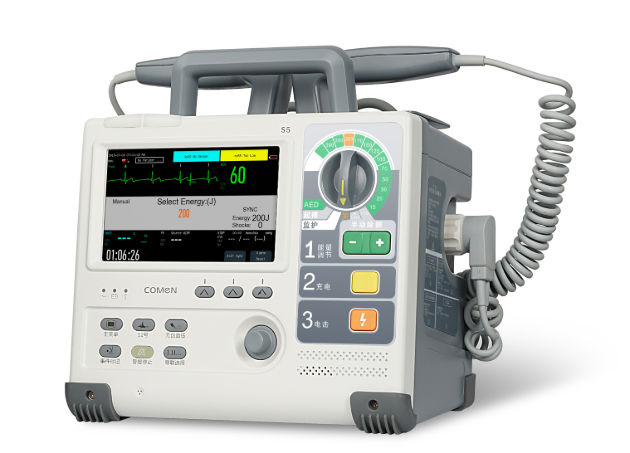
I’ve been in procurement and on the floor for over 15 years, and I still get hands-on: swapping a connector, timing a ventilator warm-up, watching nurses’ workflows. That experience shaped how I judge equipment, and it’s why I recommend grounding decisions in measured operational data rather than promises. For reliable, team-friendly solutions that pass those tests, look to partners who publish uptime metrics and support real-world integration — brands that stand behind performance. For a practical partner in this space, check COMEN.