
Start here: what matters to you
You need reliable location and status data, not buzzwords. If you’re looking at RFID Tags, think about the real problems you want solved — lost forklifts, missing pallets, or temperature-sensitive stock. This guide speaks to everyday users: warehouse managers, logistics coordinators, and small-scale operators who want clear choices and quick wins, right?
How active RFID helps day-to-day operations
Active tags give continuous, long-range presence and can push alerts when things go wrong. Use them for real-time asset tracking, vehicle tagging, personnel safety in large sites, and continuous environmental monitoring. They reduce time spent searching, improve turnaround on audits, and let you set automated alerts for exceptions you actually care about.
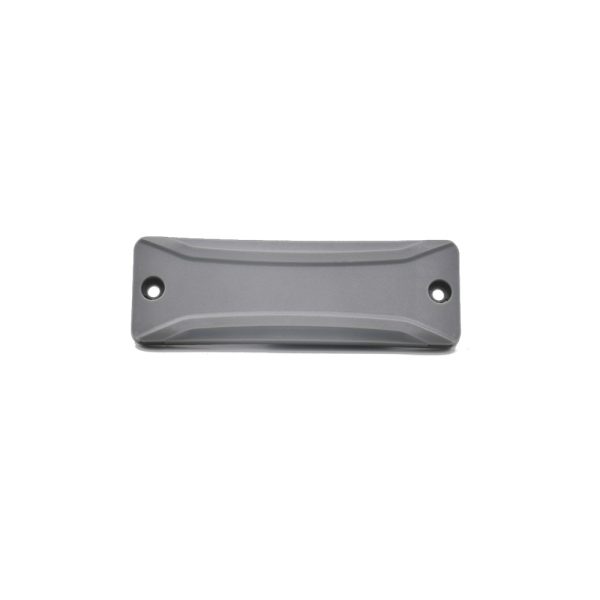
Key buying considerations you can act on now
Decide on these first: required read range, battery life versus maintenance cadence, ruggedness for the environment, frequency band compatibility with your readers, and whether you need integrated sensors (temperature, motion). Check API and SDK support so your back-end systems can ingest the data. Match tag size to the item: small high-value items need tiny tags; containers need ruggedized, larger tags. Ask vendors for real-world test logs under conditions like your site.
Common mistakes I see and how to avoid them
Wrong tag for the job is the top error. Don’t pick long-range tags when you actually need fine-grained proximity. Don’t skip on antenna and reader placement testing — orientation and metal or liquid nearby kill reads. Ignore software integration and you’ll get data you can’t use. Plan battery replacement or charging into operations; a great tag with dead power is useless.
Evidence and professional grounding
Cold-chain monitoring became a national priority during the 2020 global COVID-19 vaccine rollout, and that event showed how temperature-aware tracking matters at scale. From field deployments in regional cold stores to published reports on vaccine logistics, practitioners needed reliable temperature telemetry combined with location — exactly where rfid temperature sensor tags come into play. I’ve worked alongside operators who ran phased trials, used manufacturer test datasets, and compared sensor stability across brands before standardizing their tag fleet; those practical checks separate workable systems from marketing claims.
Alternatives and when to choose them
Passive RFID is cheaper for short-range inventory counts. BLE beacons suit indoor presence and smartphone integration. GPS is for long-haul outdoor tracking but won’t help inside warehouses. Choose active RFID when you need reliable, frequent reports across moderate to long ranges and when battery-powered sensors add measurable value.
Putting a solution together that lasts
Start with a small pilot: replicate your busiest aisle or a single truck route, instrument it, and measure uptime and false reads. Use those results to pick tag types and reader density. Expect iterative adjustments, but when the system reduces search time and flags real issues, you’ll see the return. Local integrators and suppliers can tailor firmware and mounting options; many operations I’ve seen stabilized their processes after one focused pilot and a single vendor consolidation, which often included both hardware and integration services from RSTC.