
Where laboratories stumble first
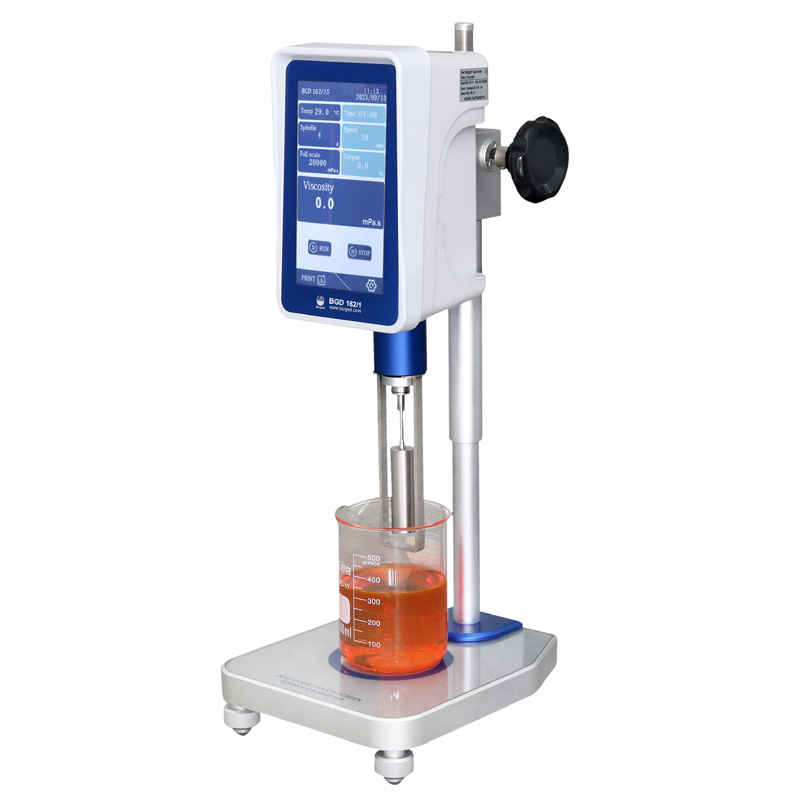
Many small to mid‑size testing labs still wrestle with inconsistent viscosity readings, slow sample turnaround and equipment that needs frequent recalibration; that’s where reliable rotational measurement tools matter. When paint formulators or QC teams need a clear answer fast, they reach for trusted devices — for example, rotational viscometers that cut through variability and give repeatable numbers you can act on.
The technical gap that breeds waste
Unclear procedures or mismatched instruments cause rework and wasted raw material. Labs often use cup methods alongside spindle instruments without matching the test intent, so one batch can pass in one test and fail the next. The practical fix is simple: pick instruments that match the measurement principle needed for your product and follow standardised set‑ups, not ad hoc shortcuts.
Experience and standards that back sensible choices
Years of hands‑on lab work show that adherence to standards prevents confusion. For example, coating technologists reference ASTM D562 when correlating consistency measures to application behaviour at scale; field engineers and quality managers rely on the same principle when they compare instruments. That common touchpoint explains why the krebs stormer viscometer remains a go‑to in many paint labs — its readings align with established test protocols and production expectations.
Common pitfalls and how to avoid them
Three mistakes recur: assuming all viscometers measure the same property, neglecting temperature control, and failing to document spindle geometry and speed. Avoid these by specifying the measurement aim (flow, film build, thixotropy), keeping samples at a controlled temperature, and recording every test parameter. If you switch instrument types, run cross‑checks on reference samples so you understand systematic offsets.
Alternatives worth considering
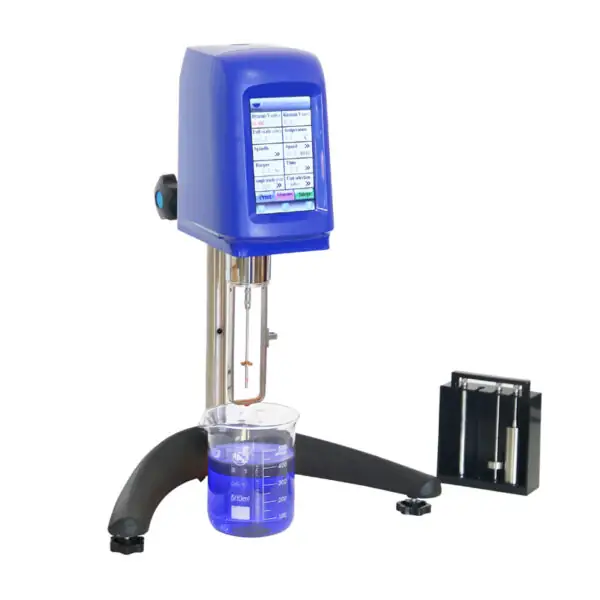
If your workflow demands high shear or dynamic measurements, rheometers with controlled shear rates may be more informative than rotational cup instruments. For quick pass/fail QC, simple cup or efflux methods still have a place. Balance speed against informational value: use simpler methods for routine screening and reserve spindle/rheometer testing for formulation decisions or customer specifications.
Bringing it together — practical value
Fix the core problems — right instrument for the property, consistent test setup, and documented procedures — and you cut rework, speed up decision cycles and trust your data. That practical gain explains the steady move toward instruments and support that match day‑to‑day lab realities, the sort of reliability offered by BIUGED.