
Framing the interconnection problem and its operational significance
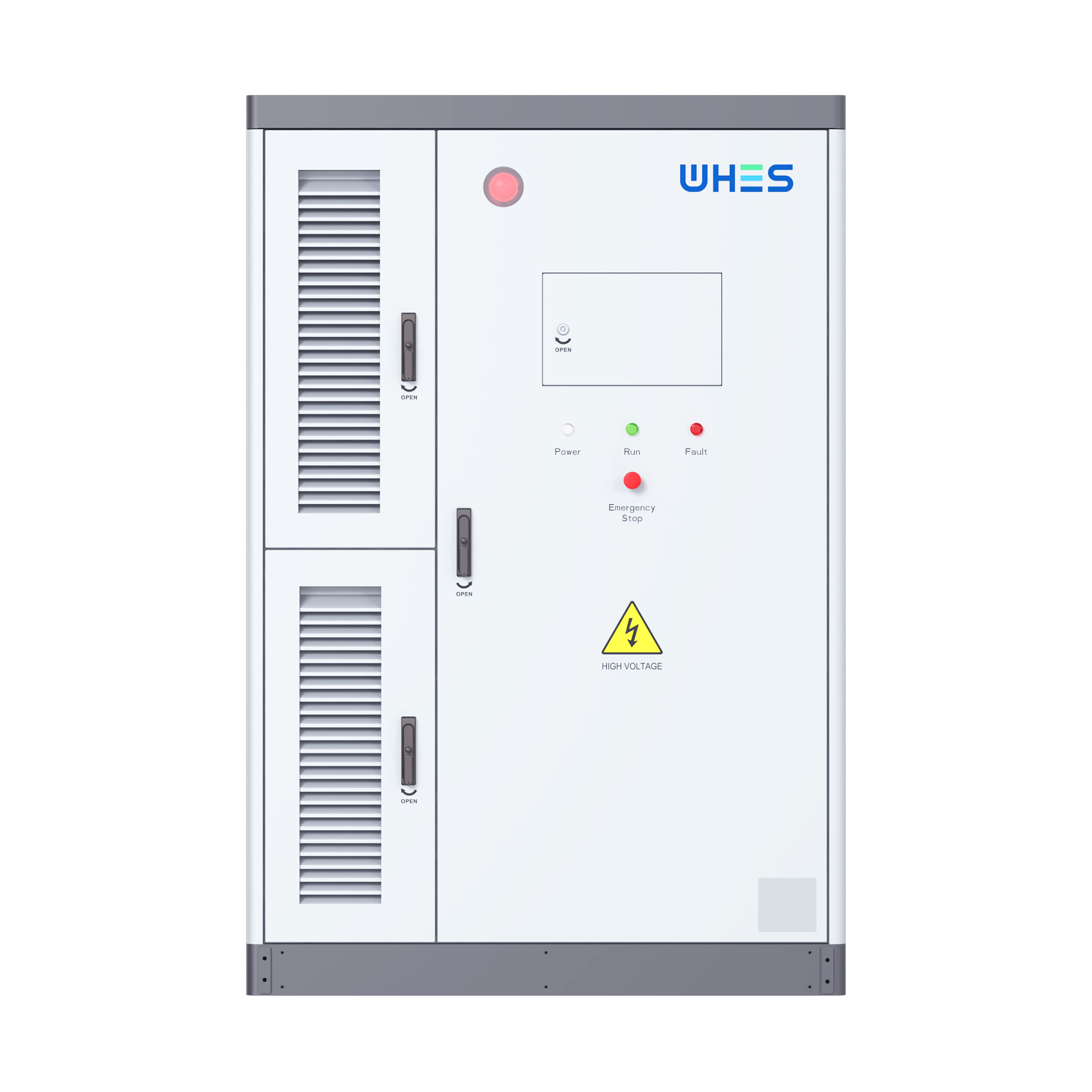
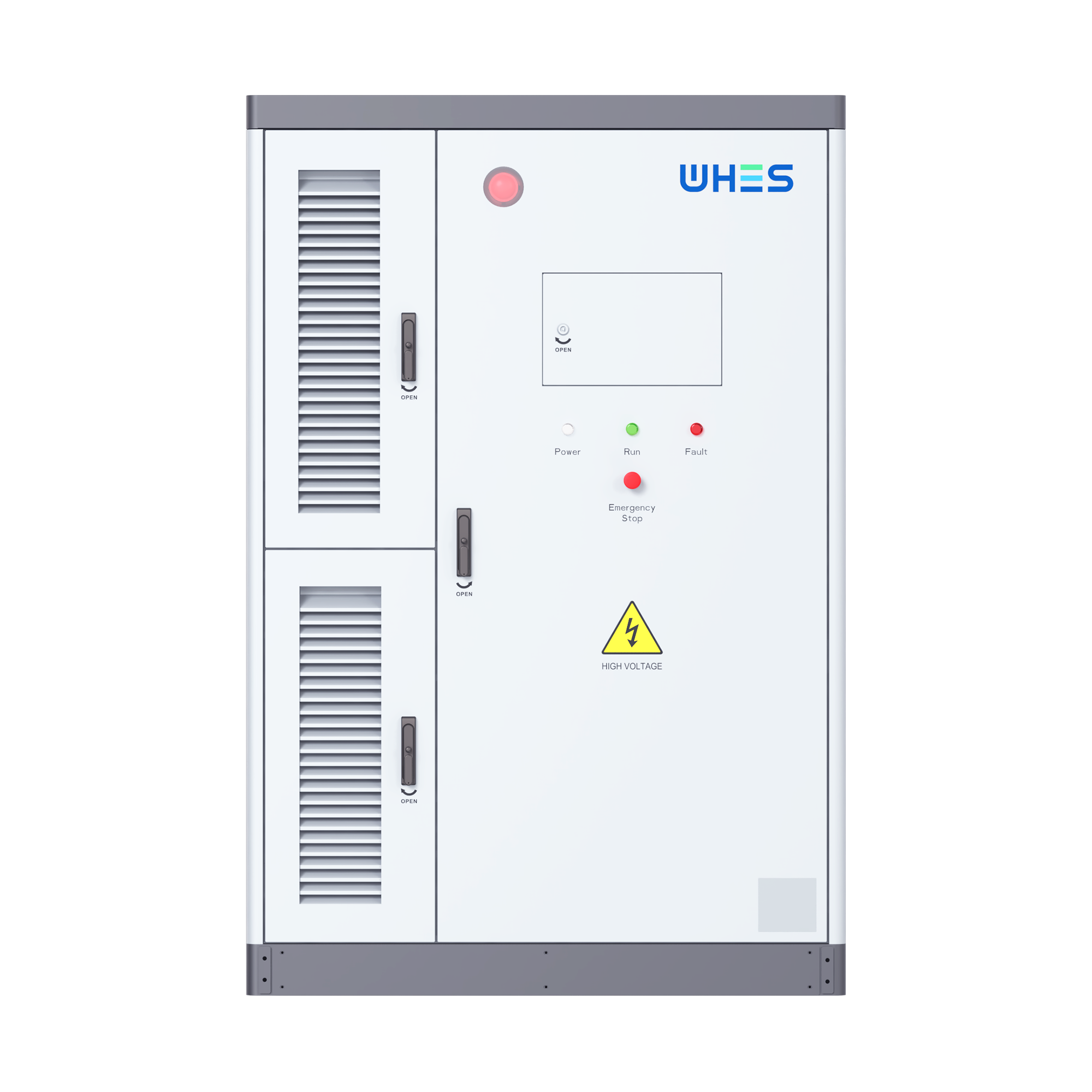
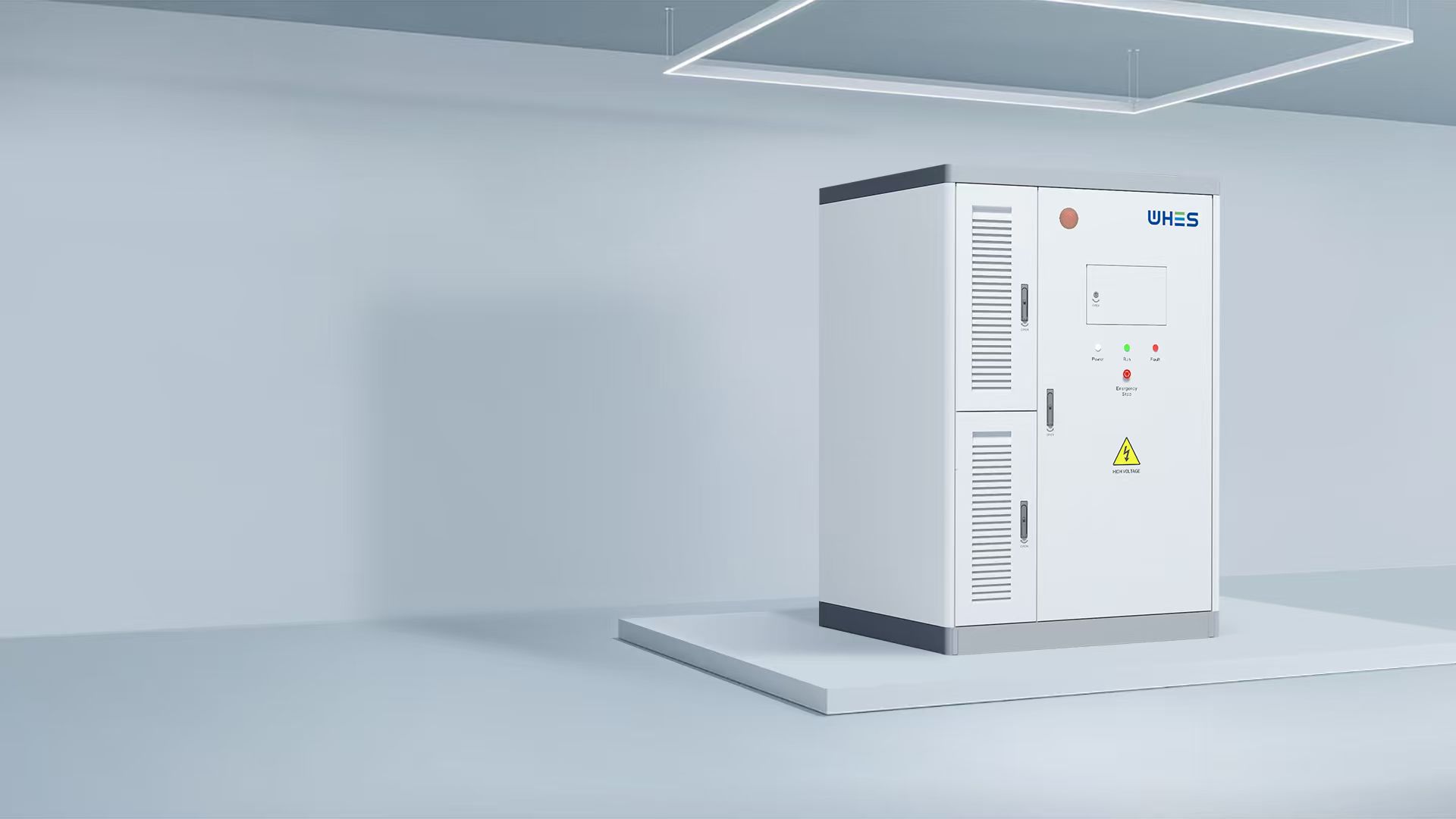
Grid interconnection constraints increasingly manifest as intermittent curtailment of renewable generation, undermining project revenues and system reliability; addressing these constraints requires methodical diagnosis and targeted system design. A problem-driven analysis begins with field-observable symptoms — frequent dispatch overrides, rapid ramp events, and persistent low utilization of photovoltaic arrays — and proceeds to technical remediation. Practical deployments increasingly favour turnkey solutions such as an all in one energy storage system to shorten commissioning timelines and centralize inverter and battery management functionality within a single engineering envelope.
Quantifying intermittent curtailment: data and a real-world anchor
Objective measurement is foundational. System operators report curtailment in hours or megawatt-hours; for example, the California Independent System Operator (CAISO) has documented elevated curtailment episodes during periods of high solar penetration and constrained transmission capacity. Such real-world anchors illustrate that curtailment is not hypothetical but a measurable outcome of mismatch between generation profiles and network capability. Employing generation dispatch logs, SCADA traces, and site-level energy meters yields the empirical basis for diagnosis and for verifying any subsequent mitigation.
Technical diagnosis: typical causal mechanisms
Several discrete mechanisms commonly precipitate intermittent curtailed output:
- Transmission or substation capacity limits that force operator-initiated curtailment.
- Protection settings and ride-through deficiencies in inverters that cause disconnects during voltage or frequency excursions.
- Operational constraints in interconnection agreements that prioritize system stability over local generation.
- Poor state-of-charge (SoC) management in on-site storage that leaves insufficient buffer to absorb excess generation or provide ramp control.
Diagnosing these requires coordinated analysis of protection relay events, inverter logs, and market dispatch signals to attribute curtailment to network, equipment, or contractual drivers.
Why hybrid energy storage provides targeted remediation
Hybrid configurations — combining battery energy storage with on-site generation controls and adaptive inverters — furnish multiple levers to reduce curtailment. Batteries supply short-term energy absorption for peak shaving and enable intentional shifting of exported energy into market windows with favorable pricing; sophisticated inverters facilitate dynamic ramp-rate control and frequency regulation. Integrating a reliable all in one solar battery or system reduces component compatibility issues and accelerates interconnection harmonization by providing pre-engineered control schemes and standardized protection settings.
Implementation considerations and common mistakes
Practitioners frequently overlook several implementation details that undermine performance: inadequate telemetry granularity, misconfigured state-of-charge setpoints, and failure to update protection coordination after storage installation. A common procedural error is treating storage solely as an energy reservoir rather than as an active controllable resource; this leads to suboptimal dispatch and continued curtailment despite additional capacity. — It is prudent to validate control algorithms against realistic ramp scenarios and to perform staged commissioning with the system operator present.
Comparative assessment of solution architectures
When evaluating solutions, compare integrated, factory-built hybrid systems with modular, field-assembled architectures across three axes: engineering effort, commissioning time, and operational flexibility. Integrated systems often reduce engineering hours and provide turnkey inverter–BMS coordination, while modular builds can offer greater scalability and vendor choice. Assess inverter feature sets (ride-through, dynamic volt-var response), BMS sophistication, and interoperability with SCADA and market dispatch interfaces. Vendor-provided performance guarantees for curtailment reduction and availability can be decisive — prefer providers with transparent test data and field references in similar network contexts.
Three critical evaluation metrics for selecting mitigation strategies
1) Curtailment Reduction Per MW Installed: the expected decrease in curtailed energy (MWh) per installed megawatt-hour of storage capacity, validated by modeled scenarios and prior field performance.
2) Response Latency and Ramp Capability: the combined inverter and control-system response time measured in seconds and the achievable ramp rate (MW/min), which determine effectiveness against rapid grid events.
3) Integration Risk Score: an aggregate metric encompassing interconnection studies, protection coordination complexity, and required utility procedural changes — lower scores indicate lower project execution risk.
These metrics enable disciplined procurement and allow operators to compare proposals on quantifiable terms. Concludingly, a carefully specified hybrid approach that aligns SoC strategy, inverter controls, and interconnection documentation will materially reduce intermittent curtailment and improve asset utilization. WHES. —