
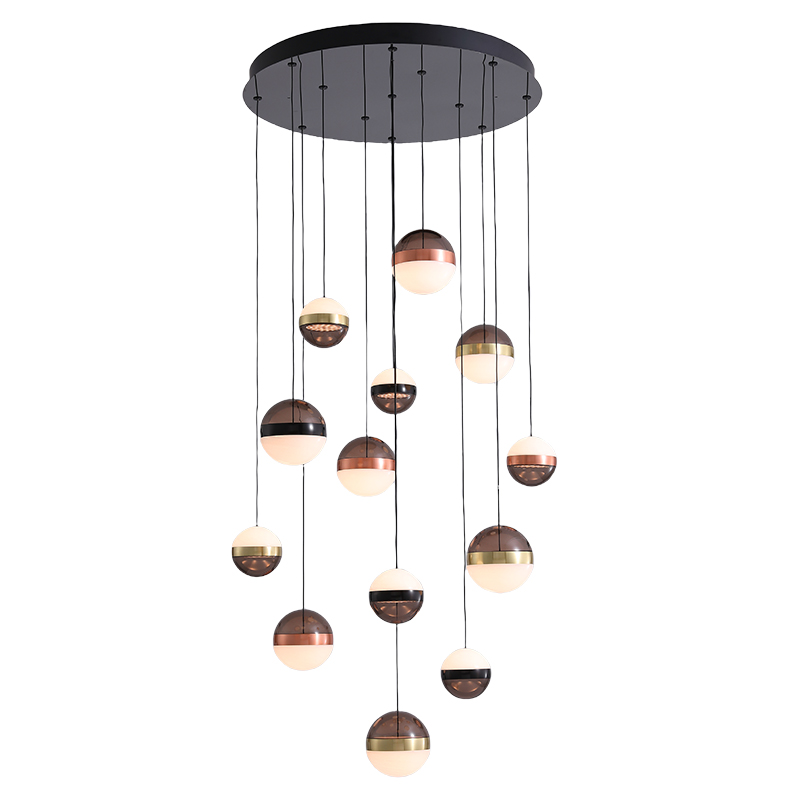
Intro: The Real Signal Isn’t the Fixture—It’s the Parts Pipeline
Define the core rule: great fixtures come from great inputs. You’re sizing parts for a pendant light company build-out. Most wins start with the right pendant light making supplies. In the shop or on-site, the bottlenecks are rarely the sketches; they’re the drivers, optics, and thermal bits that either play nice or fry out. The data you track—lumen targets, CRI bins, lead times, component failure rates—tells the whole story (no fluff). Miss a driver IC spec or skimp on heat sink mass and your install becomes a support ticket waiting to happen. That’s why we benchmark vendors by their parts discipline, not only by glossy catalogs.
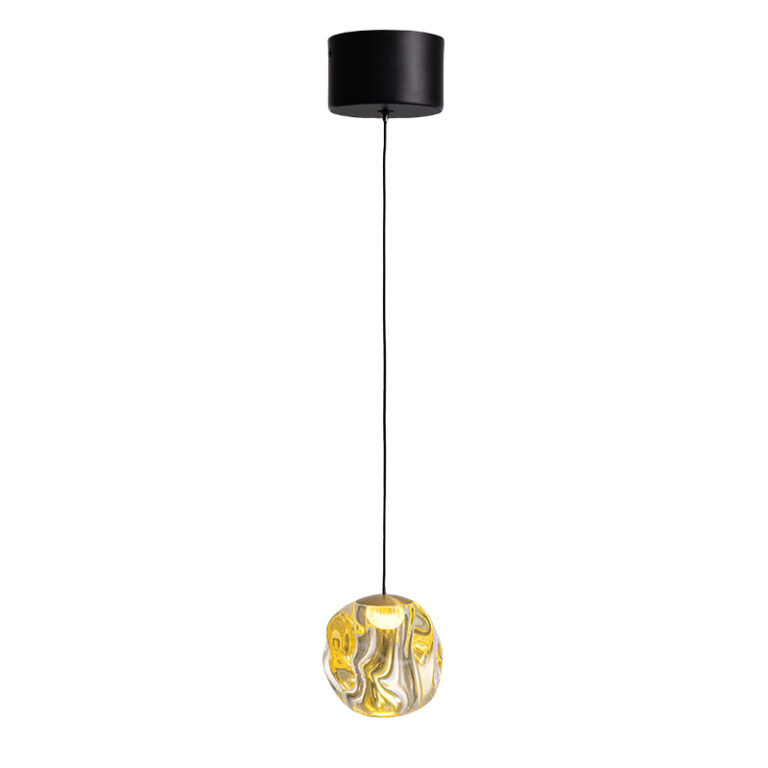
So here’s the gamer take: think of it like a build path. You need stable power converters, honest LM-80 lineage, and thermal management that works in real rooms, not just test rigs. If the chain creaks, the chandelier rages—funny how that works, right? Are you evaluating process signals or just staring at pretty housings? Let’s pivot from hype to hard checks and see where typical approaches fall apart, then compare what “good” looks like in the wild. Next up: the hidden friction most teams ignore.
Part 2: The Hidden Friction in Pendant Light Making Supplies
Where do projects actually slip?
In Part 1, we mapped the basics. Now we dig deeper—into the small faults that snowball. Traditional sourcing leans on catalog swaps and “compatible” labels. That looks fast. It isn’t. You get driver IC drift, awkward dimming curves, and thermal spikes that age LEDs early. The fix isn’t more padding on lead time; it’s supply clarity. Lot-level CRI binning. Real LM-80/ISTMT pairings. Proper surge tolerance in the power stage. Look, it’s simpler than you think: align the kit to the use case, not the wishlist. High ceiling? Bigger heat sink, tighter CCT control. Busy retail? Glare management and PWM dimming that doesn’t strobe on camera. Edge cases are now common cases.
Here’s the pain you feel but rarely name. Mixed optics lead to color fringing. Undersized power converters hum at low dim. Connectors vary by half a millimeter and installers start to “make it fit” (never a good sign). And documentation? Often a PDF dump with no wiring topology. The result is rework, returns, and a project manager who now knows the word “flicker index” too well. This is why we rate vendors on their parts ecosystem. Do they track driver-LED thermal coupling? Do they publish real photometry with lens options? Do they pre-validate dimmer lists? If not, the fix cost lands on you—every time.
Part 3: Forward Look—New Principles That De-Risk the Parts Stack
What’s Next
We shift gears to what’s working now. The new baseline blends tighter electrical design with smarter validation. Think driver topologies that manage inrush, not just output. Think thermal pads spec’d to real ambient, not lab-fresh air. Some teams even drop tiny edge computing nodes for sensor-driven dimming, so the driver never runs hot when it doesn’t have to. In short, fewer surprises. When a led pendant light manufacturer bakes in these principles, you see steadier lumen maintenance and cleaner EMI behavior—because design and supply are aligned, not patched. And yes, that means fewer calls from site at 9 p.m.—funny how that works, right?
Here’s how to measure it without guesswork. Evaluative close, three checks: 1) Component proof, not claims. Ask for LM-80 + TM-21 projections tied to the exact optic and heat sink, plus driver derating curves at your ambient. 2) System behavior, not parts alone. Request dimmer compatibility lists, flicker percentage under load, and surge test results to IEC or UL levels. 3) Lifecycle logistics, not one-off wins. Can they lock binning for the run, keep connector families stable, and share replacement roadmaps for drivers? If a vendor hits those, you cut rework, stabilize color, and tame warranty spend. That’s the real scoreboard—and the fairest way to compare pendant light companies without buying blind. Knowledge shared, sales pitch avoided. kinglong