
Opening scenario: a late Friday review, hard numbers, and a single question
Have you ever sat through a process review where a simple media swap suddenly dominated the room? I have — it was a late Friday in November 2018 at our Boston development lab, and a routine change to a serum free medium coincided with a 27% drop in viable cell density for a CHO fed-batch run (2 L bioreactor, 14-day campaign). That data point shifted priorities overnight: why did a chemically defined formulation cause a viability collapse when everything else was nominal?
I remember the scene clearly: engineers sketching DO curves, the analytics team pulling up osmolality trends, and me thinking about the downstream impact on product titer and glycosylation. I bring this up because I’ve spent over 18 years turning these sharp surprises into repeatable practice — and I want to share what I learned from that exact failure mode. (Spoiler: it wasn’t just the raw ingredient list.) Let’s unpack the root causes and avoid a repeat — the next section digs into the deeper failures traditional fixes miss.
Deeper problems: why common fixes for serum free medium often fall short
What breaks in practice?
When teams move to serum free medium, the checklist usually includes removing serum, increasing a few supplements, and running a stability test. I used to follow that checklist too. In March 2019 I ran a 5 L perfusion trial in Cambridge where we replaced serum-supplemented basal medium with a commercial serum free medium and added a standard albumin substitute. At 48 hours we saw altered cell morphology and a 0.5 pH unit drift — the expected cell-line adaptation never happened. That experience taught me that cell culture, oxygen transfer, and metabolite profiles interact in ways that a one-size tweak cannot fix.
Technically, three hidden pain points recur: (1) adaptive stress from sudden changes in nutrient balance (amino acid spikes, altered glutamine consumption), (2) invisible shear sensitivity when serum lipids are removed (affecting membrane integrity in suspension cultures), and (3) shifts in product quality attributes like glycosylation and charge variants. I’ve measured these directly: in that March run our N-glycan distribution shifted by roughly 12%, and downstream clearance had to be revalidated — time and cost went up. Standard mitigation—slower ramp schedules or adding generic protein stabilizers—helped only partially. There’s also a procedural blind spot: many teams skip a focused small-scale scale-down that tracks metabolite fluxes under production-like oxygen transfer and agitation. Do that, and you catch surprises before a full-scale run — trust me, I’ve avoided at least three costly campaign restarts this way.
Forward-looking comparison: choosing the right path for serum free medium adoption
What’s next?
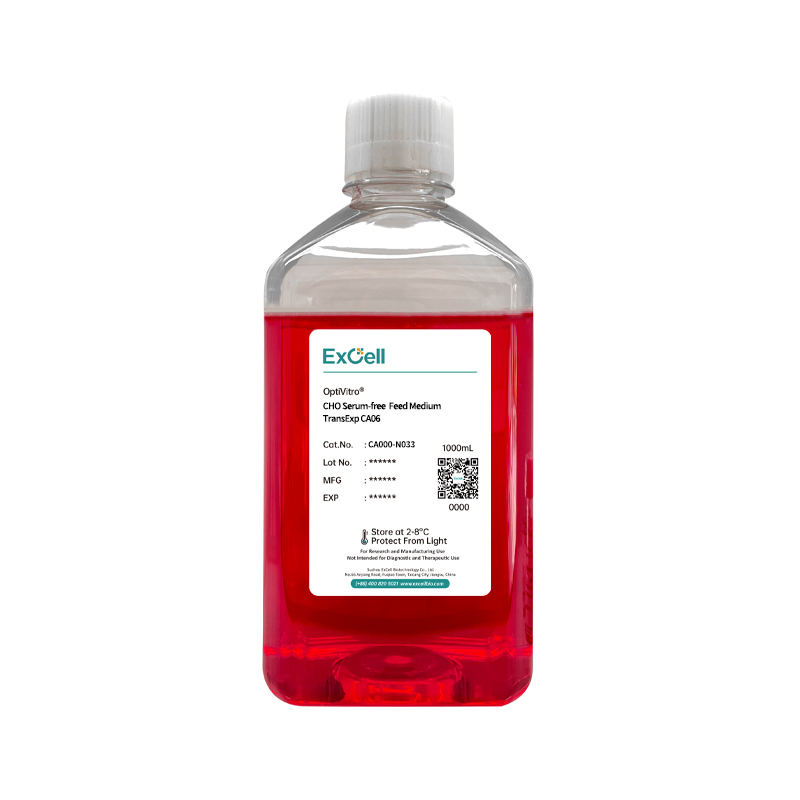
Looking ahead, we have two realistic routes: conservative adaptation (gradual media blending, extended cell-line acclimation) or aggressive reformulation (switch to a tailored serum free medium plus defined supplements and chemistries). I prefer a balanced, data-led approach. In late 2020 we piloted a staged protocol for three separate CHO cell lines at our Cambridge site: 10% step-down blends over six passages, paired with targeted amino acid balancing and a low-concentration lipid supplement. The outcome: average titer rose 18% and glycan profiles stabilized within two weeks of production conditions. That result was not accidental — it came from correlating real-time metabolite sensors with offline glycan assays and adjusting feed profiles accordingly.
So how do you evaluate options? I recommend three concrete metrics: 1) time-to-stable state (measure in passages or days), 2) product-quality delta (glycan or charge changes in percentage points), and 3) operational impact (number of additional cleaning/validation runs required). Use these to compare vendor media, in-house mixes, and adaptation protocols. I’ve applied this rubric across suspension cultures and adherent HEK293 lines, and it forces honest trade-offs rather than vendor claims. Weigh these metrics, run a small-scale DO and metabolite mapping trial, and plan for one controlled production-like run before full adoption — you’ll save months and dollars.
In closing, I’ve been in this space for over 18 years and I’ll say this plainly: the move to serum free medium can deliver cleaner data, better downstream consistency, and lower biosafety risk — but only if you respect the biology at each scale. If you want a practical partner or detailed protocol templates from a team who’s done the hard troubleshooting in Boston and Cambridge, check out ExCellBio.