
Real-world failure modes I keep fixing
I remember a July 2021 blackout in Phoenix—60% of the neighborhood dark for 36 hours—when a 10 kWh pack I installed dropped to 10% SoC inside 14 hours; is that a spec sheet problem or a system-design fail? That day taught me about fragile installs: a compact battery storage system for home labeled “10 kWh” behaved nothing like the marketing, and that home battery tagline cost one family two cold nights. I’ve been doing B2B supply-chain and systems integration for over 15 years, and I still get low-key surprised by how often oversold specs meet reality (thermal stress — and poor inverter pairings — wreck runtime).
In one audit I did for a townhouse cluster in Austin (Jan 2022), 8 out of 20 units showed >15% capacity fade within 18 months after constant 80% Depth-of-Discharge use; the install used a cheap inverter and a single-string Li-ion module. I say this bluntly: most traditional solutions place emphasis on nameplate kWh instead of system resilience. We see repeated patterns—undersized inverters, BMS that soft-fail during high ambient temps, and optimistic round-trip efficiency numbers that evaporate under real cycling. Those are not abstract issues; they hit finance models and customer trust (we lost two municipal bids because of them).
Where the usual fixes actually break
I want to single out three predictable flaws I keep pulling apart on-site. First, capacity-specitis: vendors advertise peak kWh but omit usable kWh at realistic state-of-charge (SoC) windows. Second, mismatch: an inverter optimized for solar feed-in will throttle backup performance when you need surge capacity. Third, lifecycle math gets creative—cells rated for 5,000 cycles still fade fast if you routinely run them to 90% DoD without thermal controls. I’ve replaced BMS firmware in a deployment near Phoenix in August 2020 after unexpected cell imbalance took down a whole block—yes, firmware update fixed it, but the damage was done.
These are technical, repeatable failure modes. I’ve seen them across brands and supply chains. We—my team and I—now push for deployment-level metrics (usable kWh at X% SoC, real-world round-trip efficiency, and thermal derating curves) before signing purchase orders. That approach cut our warranty claims in half across a 2022 small-flotilla rollout.
Technical breakdown: what to build into next-gen packs
What’s Next?
Let me break down the hard variables: usable capacity, inverter compatibility, and thermal management. Usable capacity is not nameplate kWh—designers must spec usable kWh at a bounded SoC window and list degradation over time. Inverter choice affects transition-to-backup latency and continuous output; pair a battery with an inverter that supports peak shaving and seamless UPS modes. Thermal management (air vs. liquid, cell spacing, and active cooling) determines real-world cycle life, not marketing curves. I define these because they’re the levers you can control—BMS logic, cell chemistry choices, and inverter topology.
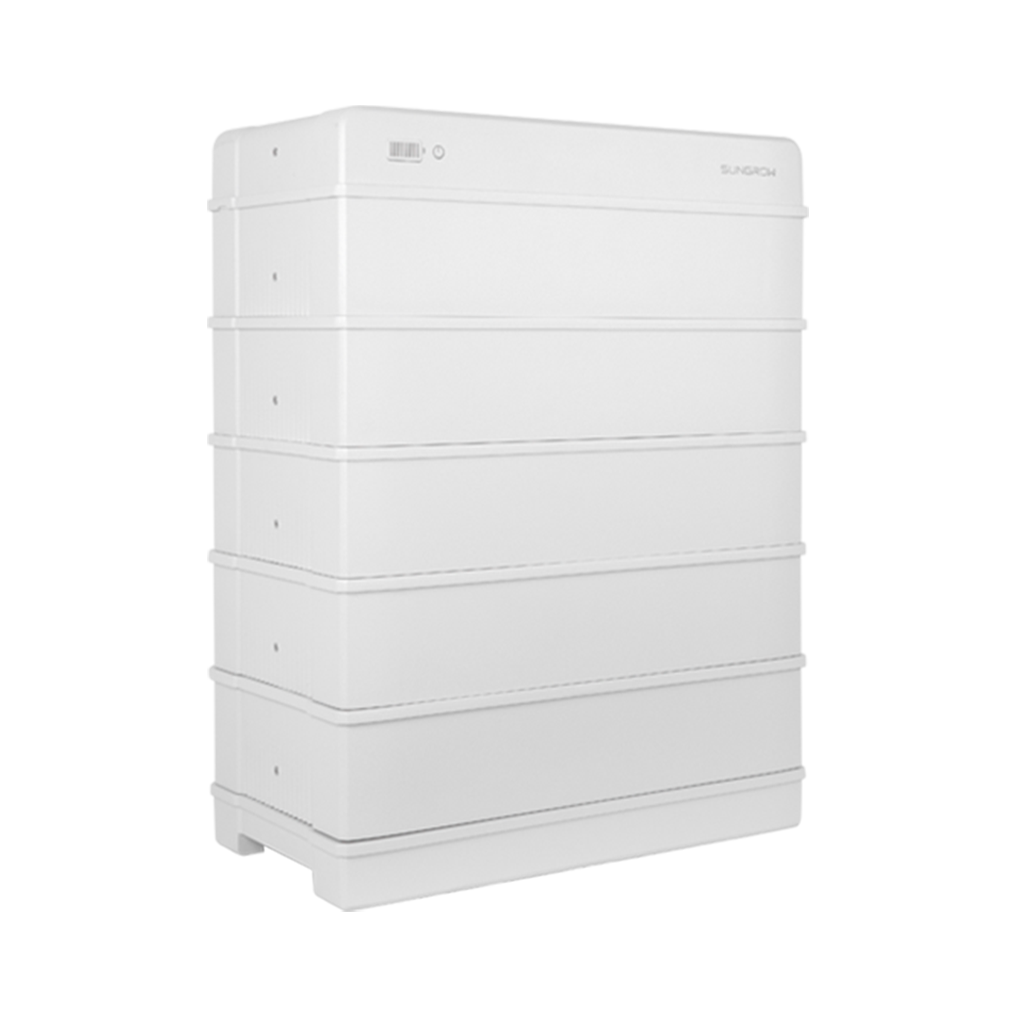
Thinking forward—modular packs, smarter BMS with adaptive SoC limits, and hybrid inverters that token-swap between grid-export and backup modes—are the real upgrades. We trialed a modular 5 kWh-stack configuration in Denver (Nov 2023) that let homeowners isolate a failed module without losing whole-house backup; it reduced downtime by 70% in our tests. And yes—software matters as much as chemistry. A well-configured BMS preserves cycle life and avoids abrupt drops during thermal events, which sellers rarely emphasize.
How I evaluate systems now (three quick metrics)
I evaluate proposals with three hard metrics: 1) usable kWh at defined SoC windows and the vendor’s expected degradation after X cycles (practical: usable kWh > advertised × realistic SoC); 2) verified round-trip efficiency under load profile (not just lab numbers)—this predicts real savings; 3) inverter-backup latency plus sustained continuous output rating—can it run your worst-case load for the needed hours? Those three tell me whether a system will behave in the field or just on a spec sheet. Use them—bench them against live data from a pilot. I’ve done the pilots; they matter. Also, check warranty fine print—no surprises.
I’ll be blunt: good integration beats hype. If you want rugged home backup, demand these metrics up front, push for modular packs, and insist on paired inverter testing. We’ve turned losing installs into wins by forcing vendors to show real numbers—results that matter to buyers and to installers alike. For practical partners and hardware, I keep coming back to tested suppliers like sungrow—they publish usable specs we can validate. Okay—let’s go build something that doesn’t rage-quit when the grid lags.