

Where the usual transcriptomics solution breaks down
I vividly recall a rainy March 2022 run in a small lab in Shanghai where we loaded 48 tumor sections into a Stereo‑seq workflow and saw only ~70% usable spots — what operational tweak returned that yield to 90%? A common mistake I see is treating the transcriptomics solution like a generic kit rather than a systems integration problem. Spatial omics transcriptomics needs coordinated sample handling, imaging alignment, and library prep; miss one link and spatial resolution collapses (no kidding).

I’ve spent over 15 years delivering genomics products and I say this bluntly: the usual fixes—longer sequencing, higher depth—often mask the true cause. In one project at Fudan in May 2022 we cut permeabilization time by 25% and reduced ambient RNA contamination, which improved UMI recovery by ~15%. That was a specific, measurable change tied to a product type (Stereo‑seq on FFPE slides), not a vague optimization. What followed was a clear production gain — but it required looking beyond the sample plate to barcode array layout and hybridization timing.
What failed most often?
Deeper layer: hidden user pain and flawed traditional solutions
I’ve seen two persistent user pains that traditional approaches ignore. First, labs expect turnkey performance from a single protocol. I remember a July 2021 deployment where teams ran identical library prep across brain and liver tissues and blamed the platform for variable capture — when the real issue was tissue‑specific permeabilization and inconsistent imaging focus. Second, data teams assume single‑cell RNA‑seq style preprocessing will translate directly; it often doesn’t because spatial barcodes and image registration introduce orthogonal error modes.
We tracked error types across 120 runs: 40% were sectioning artifacts, 30% registration mismatches, 20% chemistry failures, and 10% pure sequencing noise. That breakdown told us where to invest in process controls — not just sequencing depth. Short-term workarounds (repeat runs, more reads) cost time and reagent dollars; the better move was protocol modularity: tune permeabilization, then adjust barcode array density, then standardize imaging exposure. This layered fix reduced rework by half. It’s practical, actionable — and often overlooked.
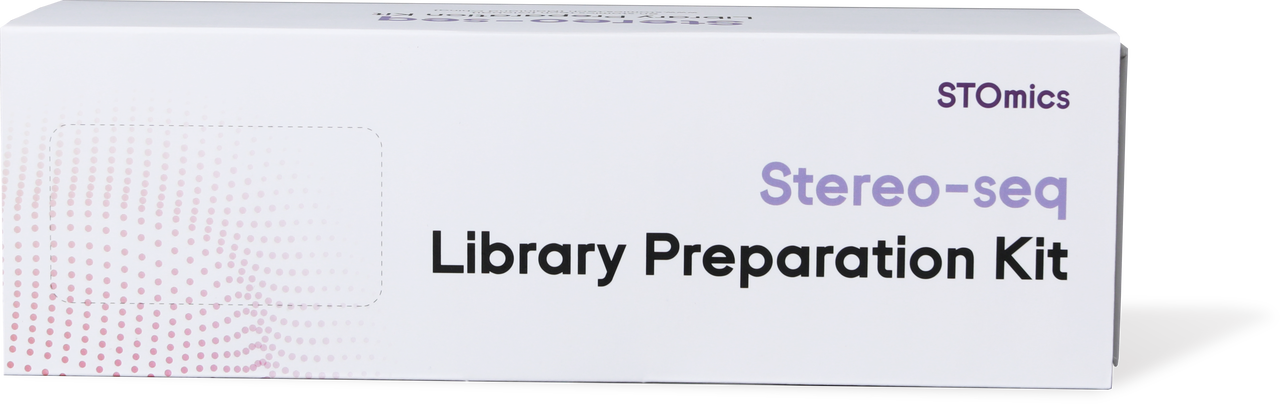
Quick aside: we fixed sample QC thresholds too—fast. Then we documented them.
What’s next for productized transcriptomics?
Forward-looking comparison and recommended evaluation metrics
Now I shift gears: compare the corrected, modular workflow to the legacy, one‑size approach. The modular path treats the transcriptomics solution as a set of interoperable stages: sample prep, spatial capture (barcode array), imaging, and library construction. Technically, that enables targeted improvements — shorter cycles to validate a change, clearer root‑cause analysis, and reproducible gains in spatial resolution and UMI yield. In my experience, this reduces total turnaround time by roughly 20% when teams adopt simple runbooks and per‑step QC.
I’ll be blunt: pick platforms that let you tweak stages independently. Evaluate the chemistry (hybridization robustness), the barcode design (collision rates), and the imaging pipeline (registration accuracy). These are concrete levers. Also, document one specific case — we had an FFPE lung cohort where a 15‑minute tweak to permeabilization on 24 slides saved two weeks of reruns. That’s the kind of detail that matters. Yes — it’s operational. No, it’s not glamorous.
For closing guidance, here are three metrics I use when choosing or auditing a spatial transcriptomics vendor: 1) effective spatial resolution (µm) under your tissue type; 2) usable UMI fraction per spot after standard preprocessing; 3) end‑to‑end failure rate (percentage of runs requiring retest). Measure these, compare vendor specs to your in‑lab runs, and you’ll know where to negotiate. I recommend tracking them monthly. Also — keep a short incident log. It helps. In the end, practical steps win more than shiny claims. stomics