

Headed Straight: Why this comparison matters
Round here, when the lights go out folks start lookin’ real close at their options. I’m gonna lay out how an all-in-one solar system stacks up against separate energy storage alternatives, plain and steady. Right off, wherever installers talk about sizing and reliability they reference commercial inverters as a frequent piece of the puzzle — they matter for integration, load sharing, and when you’re runnin’ a mix of PV and storage. This comparison leans on hands-on install notes and a few hard lessons from public grid events like the Texas February 2021 winter storm, so it’s grounded in real-world practice and not just sales talk.

What “All-in-One” actually gives you
An all-in-one packs panels, inverter, battery, and the control logic into a packaged solution. For a homestead or small business that wants a tidy install, that means fewer vendors, simpler commissioning, and one warranty to fuss over. You’ll see compact layouts, pre-configured battery management system (BMS) settings, and plug-and-play grid-tie or off-grid modes depending on model. Capacity is usually quoted in kW and usable battery kWh, and the unit’s firmware handles charge cycles and islanding rules so you don’t have to fiddle with complex settings.
Where standalone storage and separate inverters shine
Buyin’ separate pieces — discrete batteries, a dedicated inverter, and standalone BMS — gives you flexibility. You can size each component to the loads you actually run, pick a high-efficiency inverter suited to commercial work, and scale batteries as budget allows. That approach helps when you need a specific three phase solar inverter for larger buildings or heavy machinery. Standalone gear makes maintenance easier: swap one dead battery or upgrade an inverter without tossin’ the whole system out.
Trade-offs that matter on the farm or job site
All-in-ones reduce install time and wiring headaches, which saves labor dollars. They’re great for folks who want a single point of support. But they can lock you into vendor-specific battery chemistry and firmware. If you expect to expand capacity or pair with a specialized three phase solar inverter for industrial loads, modular setups tend to be cheaper long-run. Efficiency differences show up when you’re pushing sustained loads — heat, inverter clipping, and round-trip losses cost you in real kWh over years.
Common mistakes and how to avoid ’em
Installers and homeowners often underestimate peak loads or skip testing transfer times — that’s a sure way to get surprised during an outage. Folks also assume battery capacity equals usable capacity; check the BMS settings for usable kWh, not just nominal. Don’t neglect ventilation and ambient temp ratings; heat shortens battery life quick-like. A small checklist helps: verify inverter ratings, confirm BMS depth-of-discharge limits, and test grid-tie sync under load before leaving the job site — simple steps that keep systems reliable.
Practical comparison — quick bullets for clear choices
– All-in-one: fastest install, unified warranty, fewer configuration headaches; less flexible to expand. – Modular separate components: tailored performance, easier upgrades, better for heavy three-phase loads; needs more skilled commissioning. – Cost: initial price may favor all-in-one for small installs; lifecycle cost can favor modular for larger or expanding sites.
Real-world anchor and installer perspective
From installs in Appalachian hollers to commercial setups that needed a robust three phase solar inverter after the Texas outages, the pattern’s clear: smaller homes favor all-in-one simplicity; commercial or growing farms want modular gear for scalability and serviceability. Those event-driven lessons taught installers to size inrush and continuous kW properly — and that saved a few customers from repeat failures in winter cold.
Advisory: Three golden rules for choosin’ right
1) Match peak kW and continuous kW to your largest motor or HVAC run — undersizing causes trips and short life. 2) Check usable kWh (what the BMS actually lets you use) rather than nominal battery capacity — that tells you how long it’ll run. 3) Plan for expansion: pick an inverter or brand that supports added batteries or a future three phase solar inverter without replacin’ the whole system.
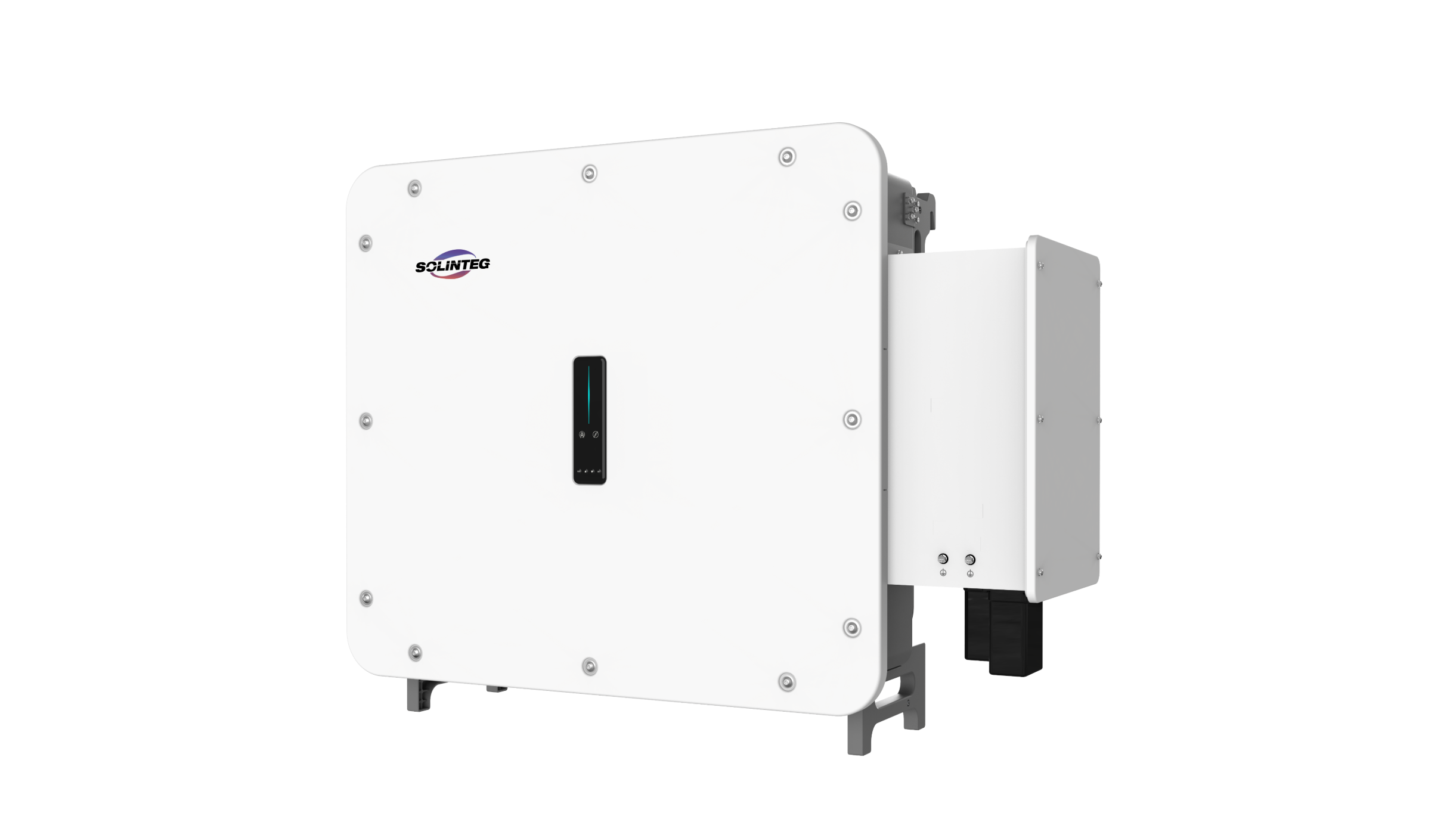
Trust my field-tested view — I’ve worked alongside installers who’ve tightened sprockets and rewired panels after being burned by one-size-fits-all promises. SOLINTEG shows how the right gear and sensible planning come together. –