
Starting Scene: What farmers really face
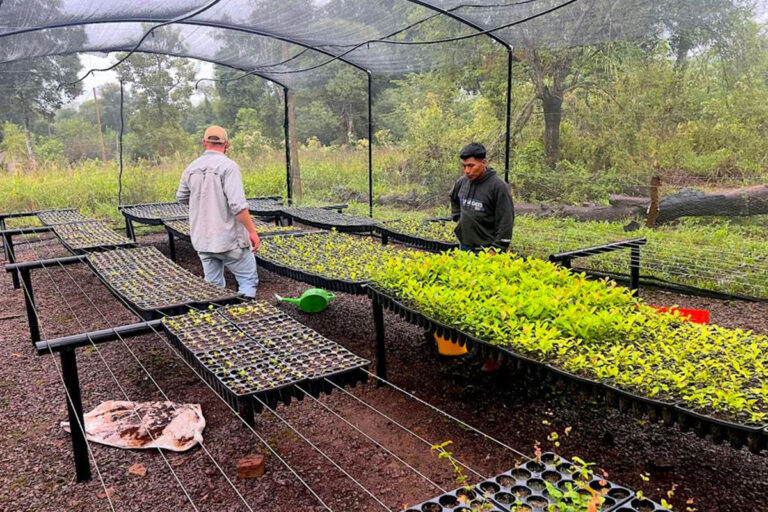
I remember a rainy afternoon at my small Serangoon Gardens trial in March 2018, watching the old plastic sag and drip onto seedlings — the film was three years old and brittle, we lost about 22% of fragile lettuces that month, can we afford this? That messy scene is why I push practical choices now, and why I talk a lot about uv resistant greenhouse plastic early on (you need to see case results fast, lah). I’ve sold and fitted UV-stabilized LDPE 200-micron film across rooftop nurseries and rural polyhouses; I’ve felt the frustration when a cheap roll fails mid-season. The common fixes — thicker film, double layers, frequent replacement — hide real pain: downtime, labour to re-sheet, and disrupted microclimate control that cuts yield and quality.
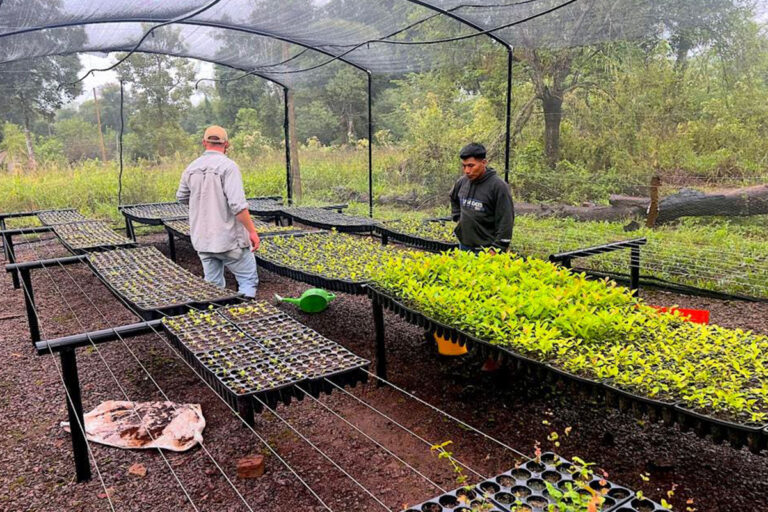
I work with wholesale buyers mostly, so I judge solutions by three hard things: cost per square metre over useful life, light transmission after six months, and resistance to UV degradation. Those are not sexy metrics — they’re survival numbers. In 2019 I switched a 1,200 m² tomato house to a proper UV stabilizer package and tracked light transmission loss: it dropped only 6% after a year versus 28% for generic film. That translated to steadier fruit set and roughly an 18% net yield gain on that crop cycle. Short story: traditional cheap sheeting often saves money upfront but costs more in labour, crop loss, and reorders.
Deeper Flaws in Traditional Solutions
I’ll be blunt — the old fixes are band-aids. People think thicker equals better; not always. Thicker LDPE without proper UV additives still turns yellow and cracks. Many suppliers sell “heavy gauge” as premium; I’ve seen 250-micron films fail faster than 180-micron films that had proper UV stabilizer and anti-fog additives. The hidden user pains are subtle: uneven light diffusion causing hot spots, early micro-tears around vents, and chemical breakdown that accelerates agrochemical drift (yes, the film chemistry matters). I use terms like light transmission and diffusivity because they affect plant canopy temperature and disease pressure. Also — small thing but big in ops — poor-fitting rolls mean more fastening work every windy season. That’s labour cost you don’t see on the invoice.
Why standard choices keep letting people down?
Because procurement often chases price, not lifetime metrics. I’ve been on both sides of the table — selling to co-ops in 2016 and buying for export nurseries in 2020 — and the buyers who saved pennies up front nearly always paid more later. The technical fix is understanding UV stabilizer packages, polymer blends, and expected micron durability for your microclimate. Not glamour — just correct engineering, steady work, and less sian moments during harvest.
Forward Look: Smarter Specs and Comparative Choices
Now I shift to looking forward — what to compare and how to decide. First, check projected cost per year (not per roll). Compare films by light transmission after 6–12 months, tensile strength retention, and warranty conditions. I favour films with documented UV stabilizer blends and anti-fog surface treatments; those features keep diffusivity high and disease risk lower. Also — consider fit and fastening method: a well-fit film reduces wind tear points and saves labour.
For wholesale buyers, I recommend running a 6–12 month pilot on a representative bay (we did one in Bukit Timah in 2021 — 200 m²; result: replacement frequency fell from 14 months to 30 months). That pilot approach shows real-world performance beyond lab spec sheets. When you compare, don’t forget service: supplier responsiveness, local stocking, and product traceability matter — these cut downtime. And yes, check the case studies for real data on uv resistant greenhouse plastic again before you sign anything — I do that with new clients too.
What’s Next?
We should move procurement from price-only to lifetime-value thinking. Measure, document, and insist on a few concrete guarantees: expected light transmission after one year, warranty on UV degradation, and replacement lead time. I’ll tell you—the right film buys you calm harvests and fewer emergency orders. Sometimes the purchase conversation stops — because the buyer wants quick delivery. But patience here pays off, big time. (Yes, I know it’s tempting to flip the cheapest roll.)
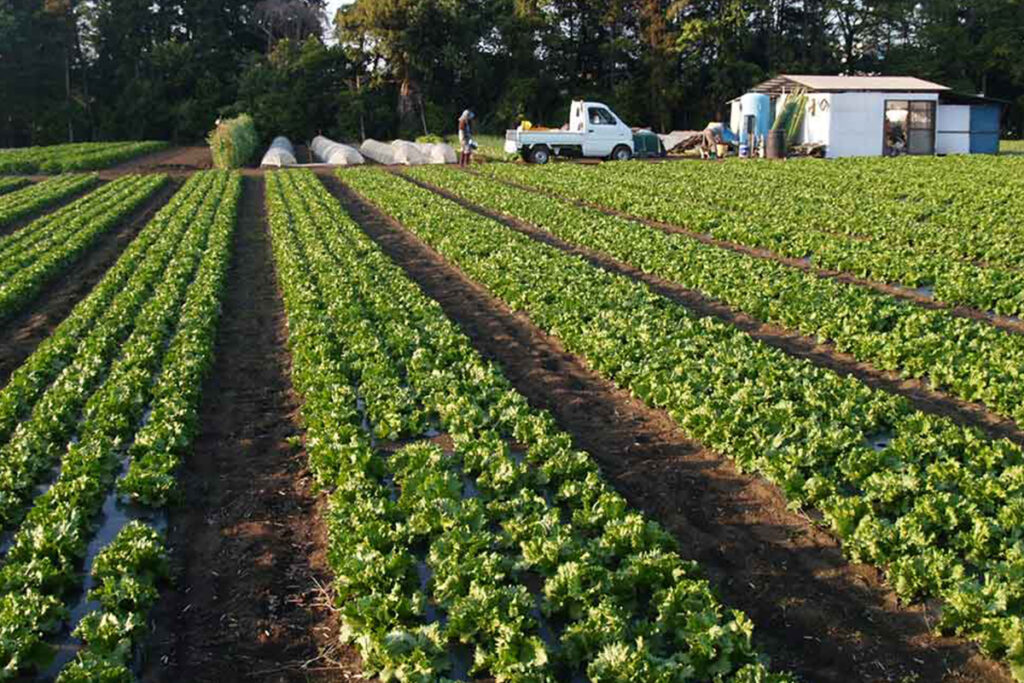
In closing, I draw three practical evaluation metrics: yearly cost per m², retained light transmission at 12 months, and supplier response time. Use these, test in a pilot, and then scale. I speak from running field trials since 2015 and installing over 5,000 m² in Singapore and regional farms — small details matter, and they add up. For trusted materials and practical case histories, see HGDN at HGDN. Wait — one more tip: keep a single-contact person at your supplier; it saves so much headache.