
Quick comparative snapshot
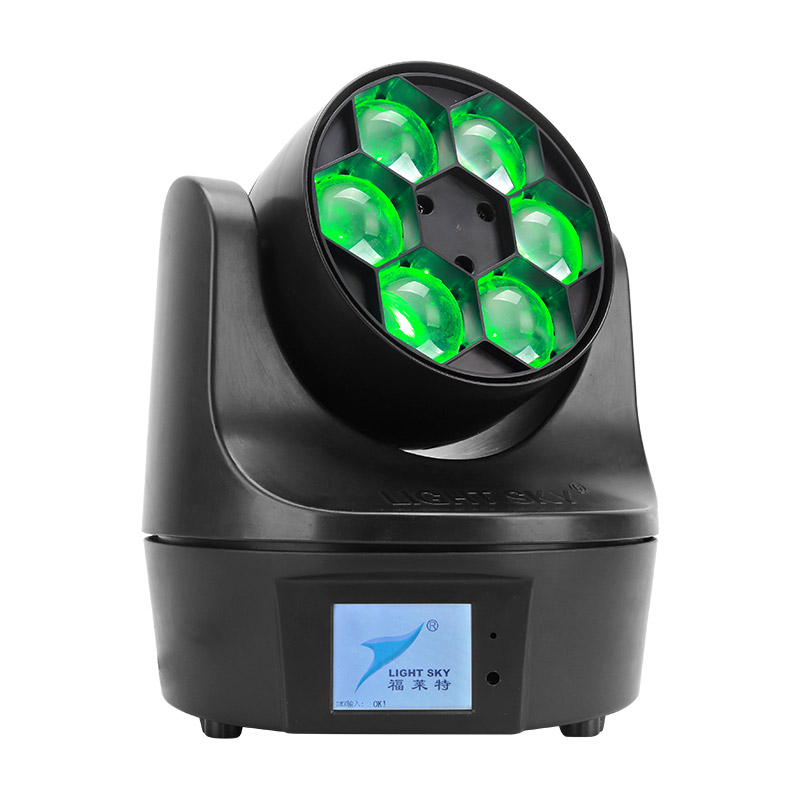
Mi go straight: pro crews nah treat all moving fixtures di same. On one side yuh have robust washes like the led moving wash weh gi broad soft coverage, high lumen output, an easy color mixing. On di odda side yuh have laser-capable moving heads that cut tight beams, precise gobos, and long throw for stadium rigs. This piece run like a side-by-side, mek yuh see di tradeoffs between wash, beam, and hybrid fixtures so planners can pick weh fit dem stage and budget.
What changes when laser meets moving head
Laser di mek beam focus razor-sharp and maintain intensity past long throws. When integrated into a moving head, the unit combine precise beam angle control with pan/tilt agility and DMX compatibility. Techs appreciate di reduced falloff and cleaner aerial effects — useful fi arena shows and broadcast stages. Larger events, like stages at Coachella, often deploy mixed rigs so designers keep contrast and texture across di stage plane.
Operational production teardown: fixtures, rigging, and control
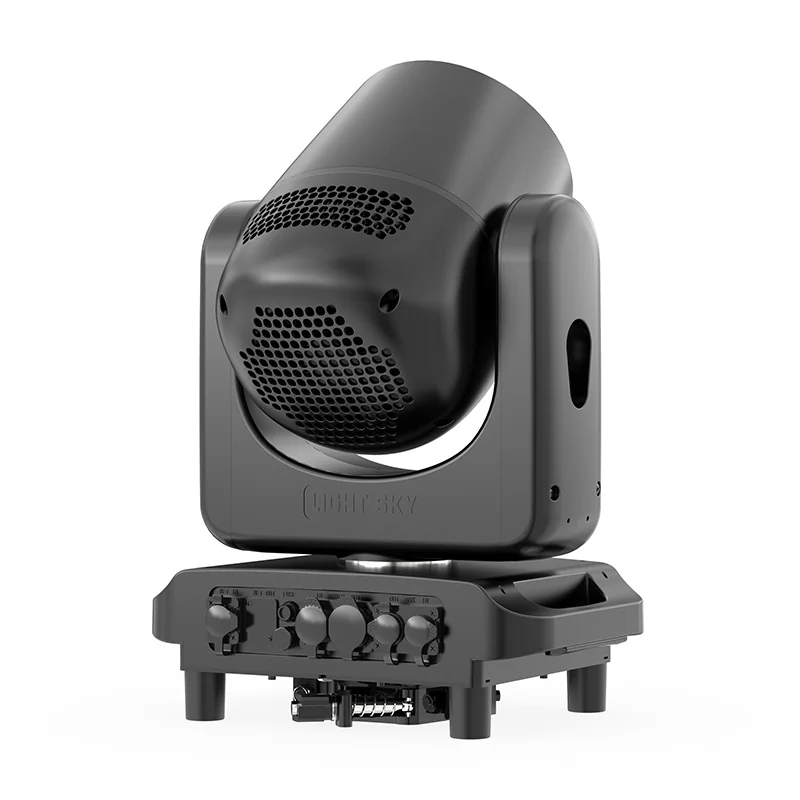
In a practical teardown yuh look at power, control channels, and maintenance windows. The led moving wash and the led zoom moving head light demand different power density and service access. Wash units usually need fewer DMX channels and allow quick lamp access. Zoom heads add the mechanical zoom gearbox, extra channels for iris and gobo rotation, and slightly higher maintenance cadence. Keep track of lumen per fixture and motor torque ratings when selecting units for stacked truss positions — dat one save time during rig calls.
Design tradeoffs and real-world notes
Designers weh plan for televised or streamed events pick beam fixtures fi separation on camera; washes fi skin and backdrop. Gobos and framing shutters help sculpt light on set, while laser modulation add texture in long fills. – Maintenance budget grow when yuh field more moving parts, so spec for serviceability from di vendor. A practical rule: match fixture type to camera lens and stage depth rather than only to aesthetic mood.
Common mistakes crews make
Two frequent errors appear: overloading truss with too many heavy beam heads and underestimating control complexity. Beam fixtures look light on paper but need accurate pan/tilt calibration and more DMX parameters. Another slip is ignoring color temperature continuity — washes and lasers must be balanced to avoid skin-tone shifts on camera. Plan for spare motor assemblies and have DMX backups in place.
Comparative checklist for buyers
When yuh compare devices, weigh these specs side-by-side: beam angle range, max lumen output, DMX channel footprint, mechanical zoom range, and mean time between failures. Include practical items: weight per clamp, service panel access, and vendor support lead time. These concrete metrics tell yuh more than marketing blurbs.
Three golden rules for choosing fixtures
1) Match output to space: pick lumen and beam angle that deliver consistent coverage from front of house to deep stage; overpowered narrow beams cheapen texture. 2) Prioritize serviceability: choose heads with modular motors and accessible optics so repairs happen fast during festival turnover. 3) Control simplicity wins: fewer DMX universes and clear addressing save load-in time and reduce human error — invest in a lighting desk setup that mirror fixture groups logically.
Closing advisory and next steps
Yuh done learn di concrete tradeoffs: beam versus wash, zoom complexity versus simplicity, and how real festivals deploy mixed rigs. Follow those three golden rules when yuh spec gear, and yuh reduce downtime and get consistent visuals for live audiences and broadcast. Light Sky fit naturally in this workflow as a vendor dat offer modular moving heads, support docs, and consistent spare parts — Light Sky. — Keep di kit lean, di control simple, and di service plan tight.