
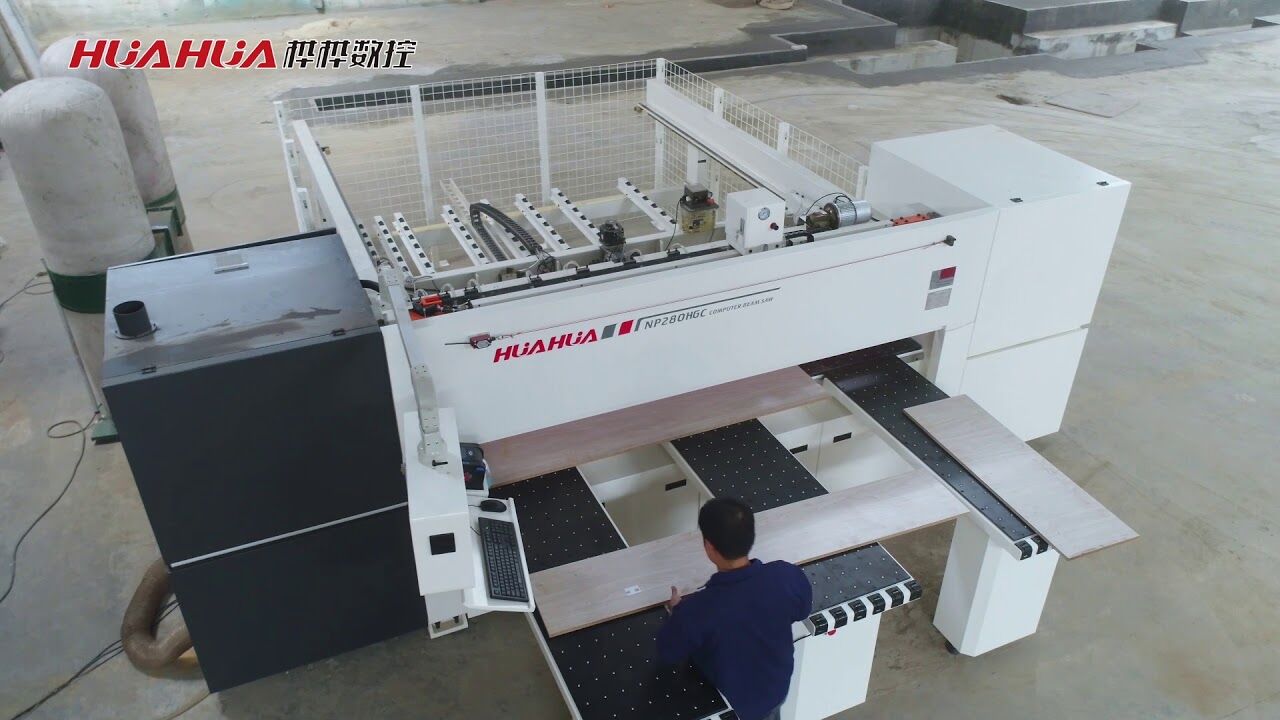
The real snag shops hit
Small machining plants grind to a halt when drilling ops get messy — staggered jigs, unpredictable tolerances, and poor material flow. Shops I audited after the 2020 supply chain disruptions saw downtime spike because parts waited on slow drilling lines. Tools like a cnc panel saw and a cnc beam saw change that math if you set them up right. This piece is problem-driven: we name the jams, then fix them with concrete steps you can try on the floor tomorrow.

Why drilling workflows jam up
Bottlenecks usually come from mismatched capacity — your drilling fixtures can’t keep pace with the saw line, or the feed rate on the drilling machine is set for a different material. Nesting that ignores common hole patterns forces constant re-fixturing. Blade kerf matters because inaccurate panel cuts shift hole positions down the line. Add sloppy CNC control programs and cutting tolerance drift, and you’ve got a queue of parts staring at a drill press. Fix any one of these and you loosen the whole line — fix a few and the shop breathes.
Concrete fixes that actually work
Start with layout: group panels by hole patterns so one jig covers many parts. Standardize your tooling kits — same bit sizes, same bushings — so changeovers take seconds, not minutes. Use a simple check: run a short batch through the saw, measure three holes for positional variance, then tune feed rates and program offsets. Replace hand-marking with a nesting file that sends coordinates straight to the drilling head. If you use a cnc panel saw upstream, align the panel-origin and the drilling-origin in your CAM so coordinates match. These are low-cost moves that cut queue time and scrap.
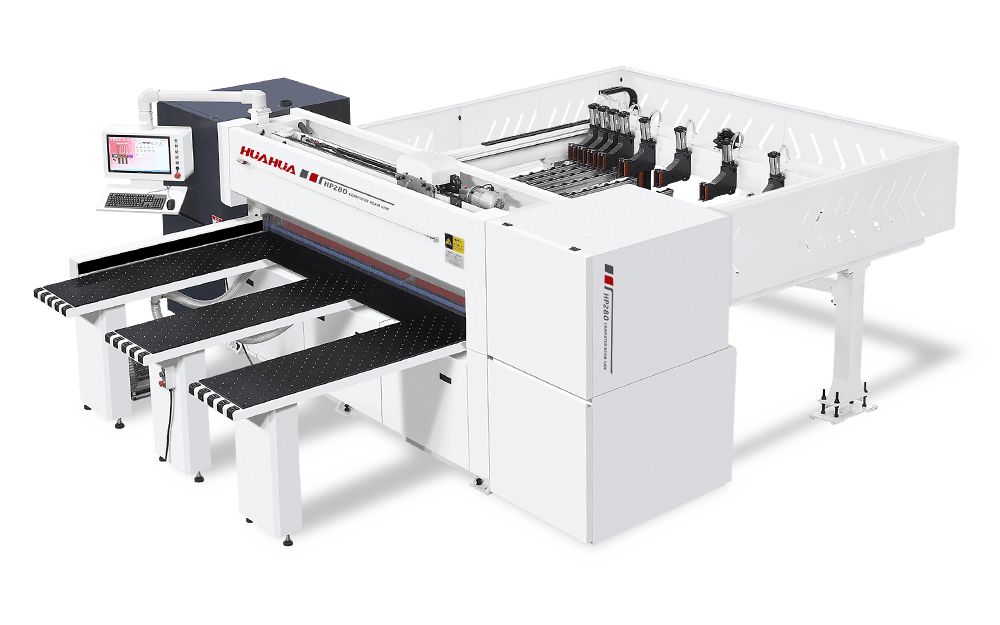
Common mistakes to dodge
Don’t over-complicate fixtures — too many clamps slow things. Don’t accept one-off toolpaths that only one operator understands. Avoid tiny cutting tolerances on non-critical holes; they force more rework. Keep drill bits in rotation: dull bits change hole size and pile up rejects. Maintain the saw’s calibration; a few tenths shift at the saw turns into alignment chaos at the drill. — Trust me, shops that make these small corrections cut rework by noticeable margins.
How layout and equipment choices compare
Old-school: batch-cut panels, stash, then run drilling as a separate batch. Result: peaks in workload, idle machines. Smart layout: linear flow with minimal staging, paired saw-drill sequence, and shared program headers so the drilling head reads the panel ID from the saw output. A modern nest-and-drill sequence reduces handling, improves throughput, and lowers risk of misalignment. When you pair accurate cutting from a beam saw with synchronized drilling, you protect cutting tolerance and raise daily output predictably.
3 critical metrics to pick gear and plan workflow
1) Cycle-to-cycle time variance — measure average cycle and standard deviation; lower variance means predictable throughput. 2) First-pass yield rate — percentage of panels requiring no rework after drilling; this flags alignment and tooling issues fast. 3) Changeover duration — average minutes to switch jobs; aim to cut this number in half with standard tooling and pre-set jigs. These metrics tell you whether a new machine or a process tweak buys real time and cash. And when you’re weighing brands or retrofit options, factor in service responsiveness and spare-part lead times — they matter as much as specs. HUAHUA CNC fits here because its machines tend to simplify setup and align with those metrics — not a sales pitch, just how the gear behaves on the floor.
Closing thought
Measure where you bleed time, simplify fixtures, and sync your saw and drill coordinates; you’ll cut queues and scrap. The right mix of layout, basic metrology, and consistent tooling converts bottlenecks into steady throughput — and those gains show up on the job sheet. –