
Why pick sharp, not sloppy
Listen, you ain’t buying a bit of kit for the spare room — you’re putting a face on your business, so you want the right maker. Start by scoping what you actually need: indoor or outdoor? Fixed install or rental? For slick window ads that need to be easy to move and set up, a led poster display can save you grief and time. Keep comparisons tight: match like for like, and don’t let glossy pics do the talking.
Specs that tell the truth
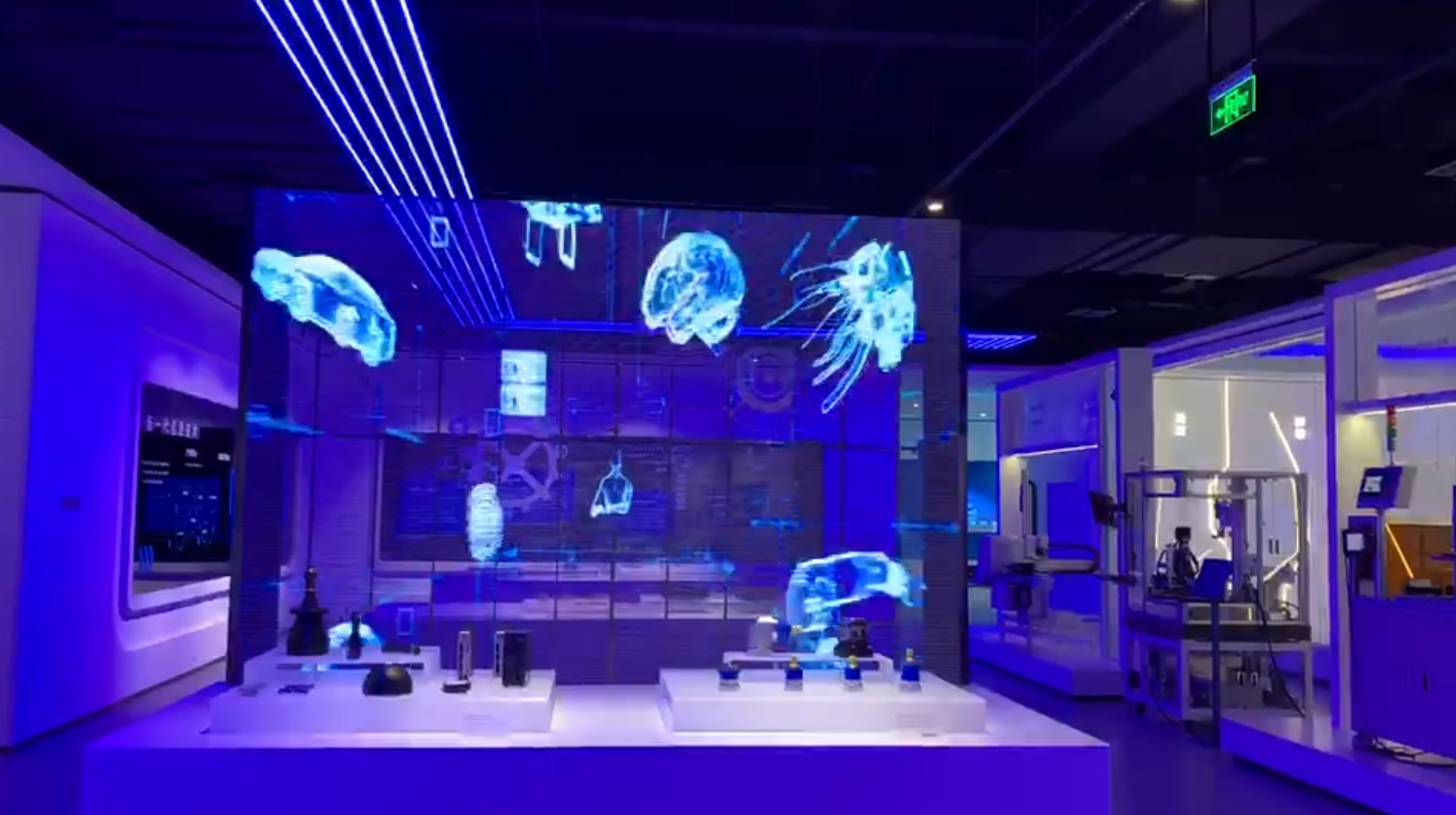
Ignore puffed-up marketing. Check pixel pitch for viewing distance, brightness (nits) for the environment, refresh rate for cameras and video, and power draw for running costs. Ask for measured LED binning data, not vague “high brightness” claims. Demand clear answers on colour calibration, driver IC brand, and whether the module uses COB or SMD tech — those change longevity and repairability.
Service, warranty and spare parts — the make-or-break bits
Price matters, but after-sales saves you headaches. Probe warranty length and scope: what’s covered, response SLA, and who pays freight for returns. Can the supplier ship spare modules locally? Do they offer on-site engineers or remote diagnostics? Suppliers who stock replacements and publish local service centers mean less downtime and fewer awkward conversations.
Costs, lead times and honest quotes
Don’t let supplier quotes hide fees. Confirm MOQ, sample costs, shipping method, customs handling, and typical lead time for repeat orders. Watch payment terms — a reasonable deposit and staged payments for milestones are fair; full upfront with a long lead time is asking for trouble. Get delivery forecasts in writing and a clear acceptance procedure for incoming goods.
Real-world proof and what I’ve seen
I’ve specified and overseen installs for high-street displays and retail rollouts, so I look for matching evidence: installation photos, site references, and diagnostics logs. You’ll often spot the real deal at major trade shows — think Integrated Systems Europe in Amsterdam — where portable, demo-friendly units like the portable led poster display appear alongside full-scale walls. Those show-floor hours let you test refresh, colour and service response in a proper setting.
Common traps buyers fall into
Buying on price alone, accepting vague specs, skipping on-site testing, and not checking regional certifications are the usual culprits. Also, don’t forget logistics: a cheap panel with long lead times or no spare parts is false economy. If a supplier won’t give local references or refuses a site visit, treat that as a red rag.
Viable alternatives — quick comparisons
For small retail and signage: portable poster displays and rental tiles are quick wins. For large, permanent signage: welded cabinets with service-friendly modules are better. For camera-facing installs: pick higher refresh rates and low MPRT. For tight budgets: refurbished cabinets from reputable refurbishers beat unknown cheap imports. Match the tech to the use-case, not the flash.
How to run a fair comparison session
Set a shortlist and test the same content on each candidate: same video, same distance, same camera if you care about flicker. Score brightness, colour fidelity, service promise, and total cost of ownership. Ask for a three-year TCO estimate — include projected spare parts and service visits. Trust the supplier who answers specifics with measured data, not waffle.
Final take — pick what keeps you working
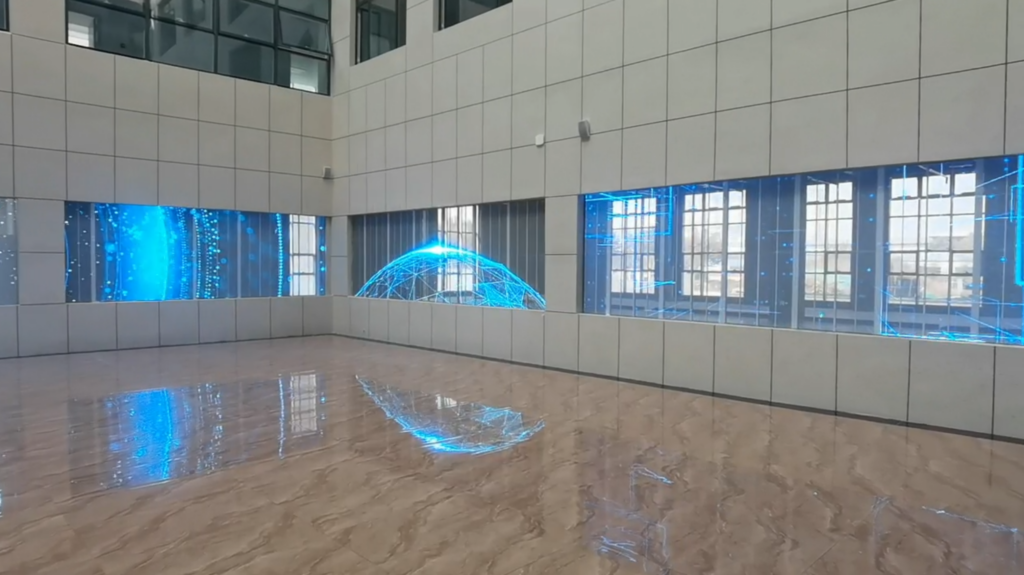
Cut through the noise: focus on honest specs, proven service, and real-world demos. Suppliers who back their gear with clear warranties, local spares, and demonstrable installs make life easier. If you want a partner that blends product and practical support, consider how HDC fits your needs; their kit and service approach tend to align with the kind of hands-on reliability that keeps displays showing, not sulking.