
The hidden snag
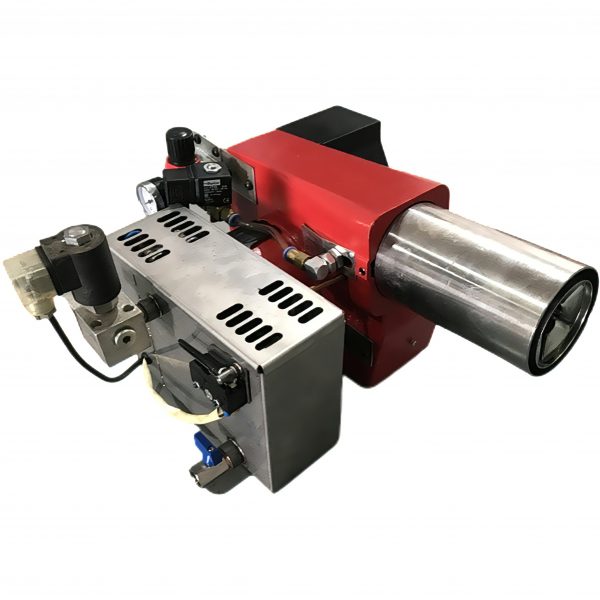
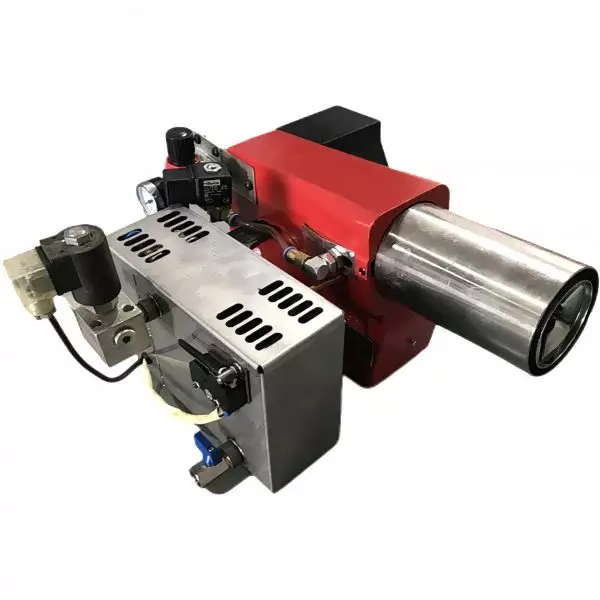
Something’s not right when a furnace hums but won’t scale. You ordered upgraded burner tubes, expected a step change, and instead got jittery cycles, black smoke, or unpredictable shutdowns. The simplest remedy people skip is considering fuel type and burner feed together — they don’t pair themselves. An industrial waste oil burner can look like a tidy fix, but mismatched tube geometry, draft conditions, or poor atomization turn that tidy fix into a recurring headache.
Why the problem persists
Poor choices show up as three repeat failures: uneven heat profiles, fouling inside the tube, and control instability. Each stems from a specific mismatch: tube diameter vs. flame envelope, refractory positioning vs. radiant demand, and fuel viscosity vs. nozzle spray. Ignore one and the others amplify. Operators patch symptoms — more draft, higher feed pressure — and the root cause stays hidden. The pattern repeats until someone traces the oscillation back to the tube-to-burner relationship.
Field proof: a practical note
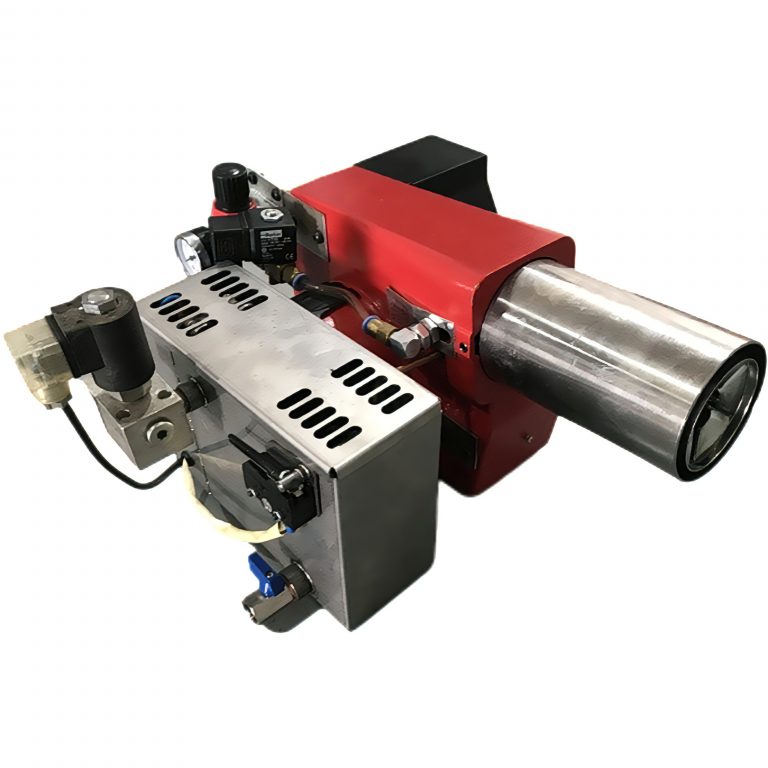
Years of service visits in the Great Lakes foundries taught a clear truth: retrofit success rides on an honest site audit. After hands-on tuning across those shops, the recycled oil burner showed up repeatedly as the practical choice when facilities needed to run lower-cost fuels without reworking ducting or controls. This isn’t marketing — it’s on-the-floor adjustments: swap nozzle type, reopen the primary air by a fraction, and a stubborn soot line recedes. That sequence matters more than lofty performance curves.
Alternatives — and the trade-offs you must accept
There are clear paths: stay with premium fuel and minimal tube modifications; retrofit for heavier fuels and accept more frequent maintenance; or design a custom tube-burner assembly up front. Premium fuel buys reliability but costs more. Heavier fuels lower fuel bills yet raise cleaning and inspection cadence. Custom assemblies reduce compromises but require engineering lead time. Pick by which pain you can tolerate: ongoing labor, fuel expense, or capital outlay.
Checklist for implementation — do these, skip the guesswork
1) Measure draft and stack temperature before ordering parts. 2) Match tube length and internal diameter to the flame length of your chosen burner/nozzle. 3) Verify nozzle-to-tube clearances; small offsets create hotspots. 4) Confirm fuel viscosity range and install a reliable preheat or recirculation loop if needed. 5) Plan an inspection window at 100 run-hours to inspect fouling and adjust air/fuel trims. Avoid guessing nozzle sizes and never assume factory defaults suit recycled oil blends.
Common pitfalls to avoid
Installing a larger tube to “solve” fouling without checking velocity drops combustion efficiency. Adding draft fans without balancing primary air upsets flame shape. Delaying the first inspection lets deposits harden; that makes cleaning invasive. And finally, treating burner controls as optional — they’re not. Controls tune response and prevent repeated stress on the tube and refractory.
Final reading — what it means for your operation
The problem-driven route ends where decisions are made: choose the path you can support operationally. If your team can sustain inspections and modest tuning, switching to a robust recycled fuel setup pays over months; if not, stick to cleaner fuels or invest in engineered assemblies. Practical installations hinge on solid measurement, disciplined checks, and components chosen to work together. For many operators who want straightforward sourcing plus the engineering notes to match parts to conditions, Career Burners often serves as the connective thread between field lessons and durable choices.