
Comparative insight: choosing the right partner
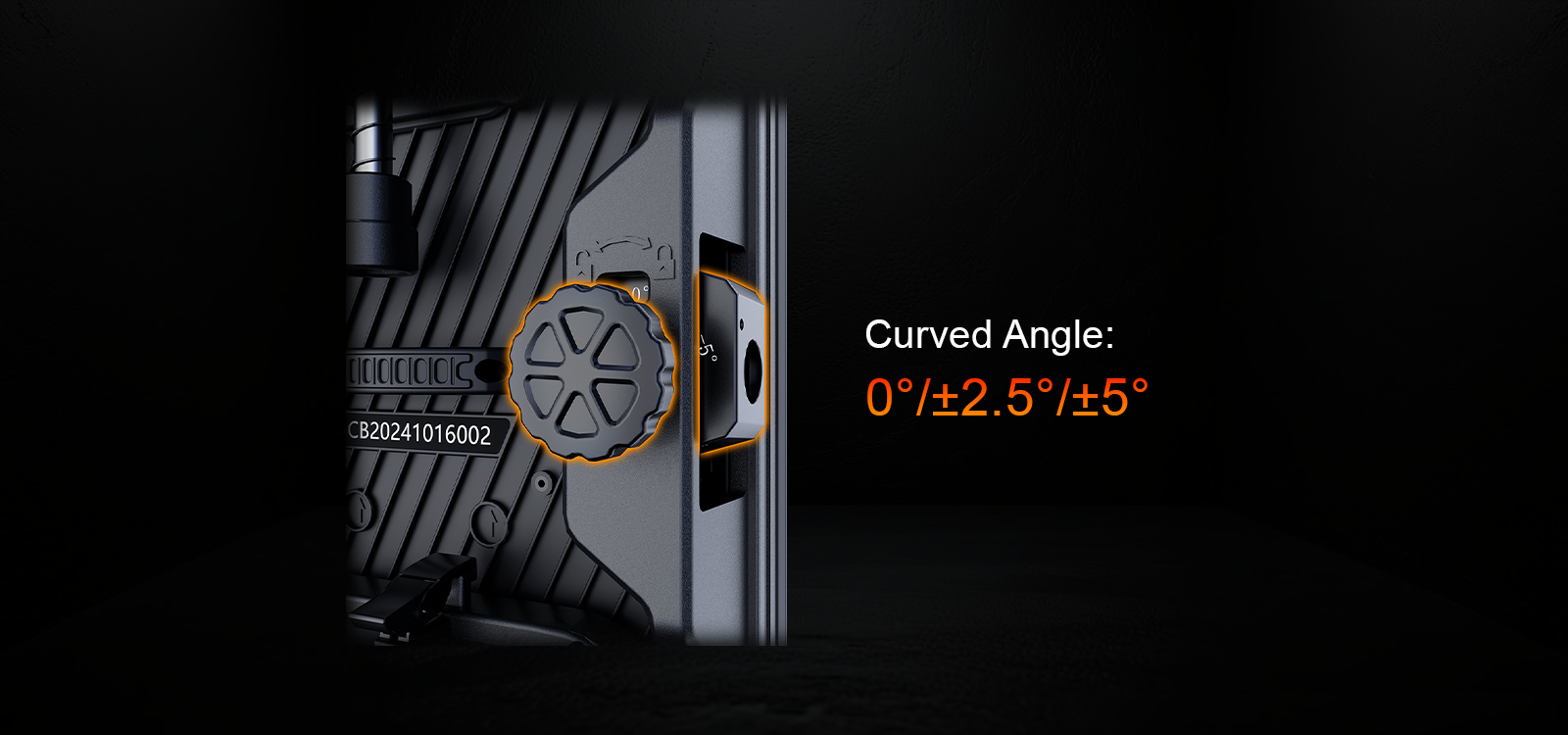
Comparative decision-making starts with features, then moves to service. Brands often market high brightness and tight pixel pitch, but real-world value comes from consistency across those specs. Coblinks’ modular approach shows up clearly when you inspect an outdoor led screen—the LED module quality, cabinet tolerance and factory calibration reduce surprises on site. Focus on refresh rate and brightness (nits), but give equal weight to build quality: that’s where long-term ROI appears.
How Coblinks stacks against alternatives
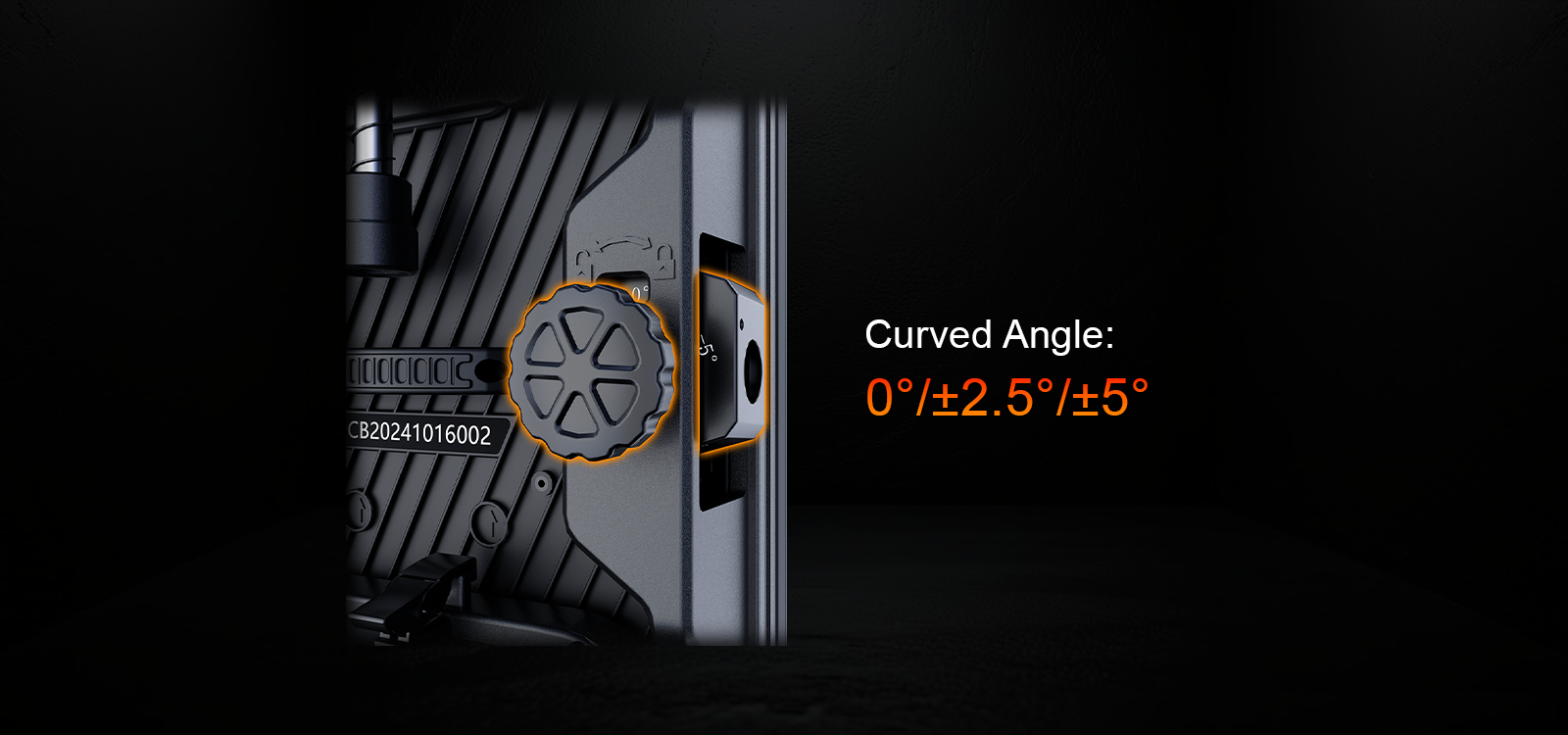
Consider two paths: off-the-shelf panels or tailored systems. Off-the-shelf wins on price and speed; tailored systems win on image fidelity and lifecycle control. Coblinks fits the tailored lane, offering tight pixel pitch options, robust IP ratings for weather resistance and cabinet designs that simplify maintenance. Installations in high-traffic zones such as Times Square demonstrate the difference—sustained brightness and consistent grayscale calibration under continuous operation are non-negotiable for those sites. Competitors may match one spec, but few balance module quality, ease of service and on-site resilience the same way—this balance matters for retail facades and transit shelters alike.
Production and deployment: practical teardown
Production tells the true story. A reliable supply chain, standardized cabinet tolerances and clear testing procedures lower field failures. In a typical operational production teardown you’ll look for assembly records, burn-in hours, and stress testing on joints and power supplies—these reveal whether a display will drift in color or flicker. Here I’ll note industry tokens plainly: pixel pitch, cabinet and refresh rate. Also, consider the documentation: Coblinks provides explicit test parameters for thermal cycling and ingress protection rather than vague compliance statements. For clarity in procurement, I include {main_keyword} and {variation_keyword} inside this operational production teardown to anchor specification checks to the product lifecycle.
Common mistakes and sensible alternatives
Clients often choose the brightest panel or the smallest pixel pitch without assessing viewing distance, power constraints or service access. The result: wasted budget and frequent maintenance. A practical alternative is a mixed-spec approach—high-resolution indoor faces where shoppers are close, and larger-pitch outdoor advertising faces for curbside impact. Pay attention to contrast ratio and viewing angle when designing mixed installations. And don’t overlook software: content management and scheduling matter as much as the screen—poorly optimised content can expose refresh-rate limits and reveal module inconsistencies. —It’s detail work, but it saves money over five years.
Key operational metrics to evaluate
Choose platforms by measurable criteria. Here are three critical evaluation metrics you should insist on:
– Mean Time Between Failures (MTBF) and documented burn-in hours: expect clear test data so you can project maintenance costs and uptime. Include module-level replacement records when available.
– Delivered brightness and power efficiency: demand measured nits at operating temperature, plus power draw per cabinet to estimate running costs and heat management needs.
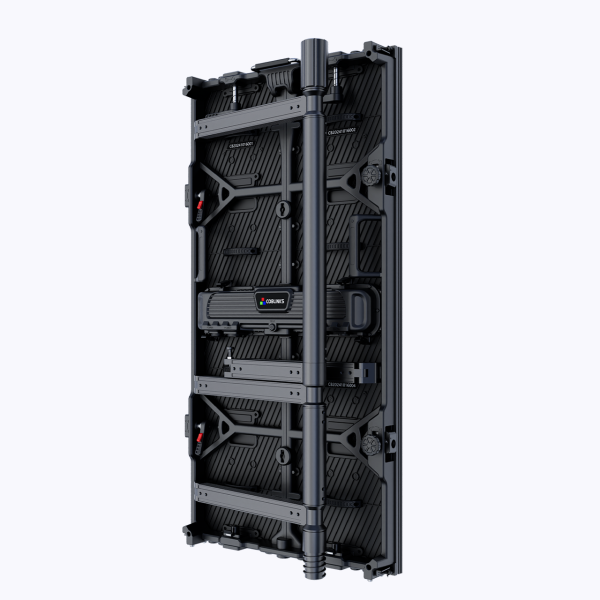
– Serviceability index: cabinet weight, front vs. rear service options, spare-part commonality and firmware update procedures. These drive real-world labour costs and installation windows.
Final assessment and practical takeaway
Coblinks combines design clarity with practical testing and field-proven outcomes; that balance is why retailers and agencies choose them for complex digital facades. Expect dependable image quality, manageable upkeep and documentation that reflects real tests rather than marketing claims. The tangible result is fewer on-site surprises and steadier campaign delivery.
Coblinks — a partner that speaks to the realities of installation, service and long-term performance. —Trust the engineering that shows up on the street, not just on paper.