

Opening — the problem that keeps procurement awake
Clinicians and procurement teams face a narrow margin for error when choosing PTCA guide wires: wrong stiffness, poor torque response, or a mismatched coating will delay procedures and risk patient harm. For those buying or distributing interventional medical devices, the questions are technical and urgent — not theoretical. This piece tackles the real procurement problems directly, so you can spot the right guide wire and avoid common failures at the bedside and in the warehouse.
Compatibility and sizing errors that slip past specs
Buyers often treat length and diameter as checklist items. The real issue is how diameter plus core design affects deliverability through tortuous anatomy. A 0.014″ wire from one maker will track very differently to a 0.014″ from another because of tip shape, core taper and coating. Check tip load, radiopacity and intended use rather than trusting nominal size alone. Measure compatibility with the catheters you actually stock, not a generic spec sheet.
Torque response and handling problems in the lab
Operators judge a wire by feel. If your supply introduces a wire with sluggish torque or inconsistent recoil, case times rise. Insist on bench data showing torque transmission and on-field feedback from interventionalists. Arrange short in-service evaluations with sample packs; a short trial will reveal handling issues far quicker than vendor literature.
Coating, durability and sterilisation pitfalls
Hydrophilic and hydrophobic coatings change behaviour when they age or see repeated handling. Some coatings delaminate after autoclave or excessive handling during training. Confirm shelf-life under your storage conditions and request stability data for the specific sterilisation method you use. Avoid accepting bulk shipments where packaging fails to protect tip geometry and coating integrity.
Regulatory and documentation mistakes that block distribution
Documentation lapses cause the largest delays in distribution. Missing batch certificates, incomplete IFUs, or wrong import paperwork are common. Ensure every SKU comes with full traceability, a clear indication of intended use, and local regulatory files. Keep a checklist: sterilisation method, expiry, CE or FDA status as applicable, and test reports for radiopacity and torque.
Supply-chain failures and how they show up clinically
Delays and unannounced substitutions are typical supply-chain failures. When a familiar wire is replaced at short notice, clinical teams see longer fluoroscopy times and more guide catheter exchanges. Build contractual safeguards: agreed shelf-life on delivery, advance notice for substitutions, and penalty clauses for repeated mismatches. Track returns and near-miss reports so patterns become visible quickly.
Alternatives and pragmatic trade-offs
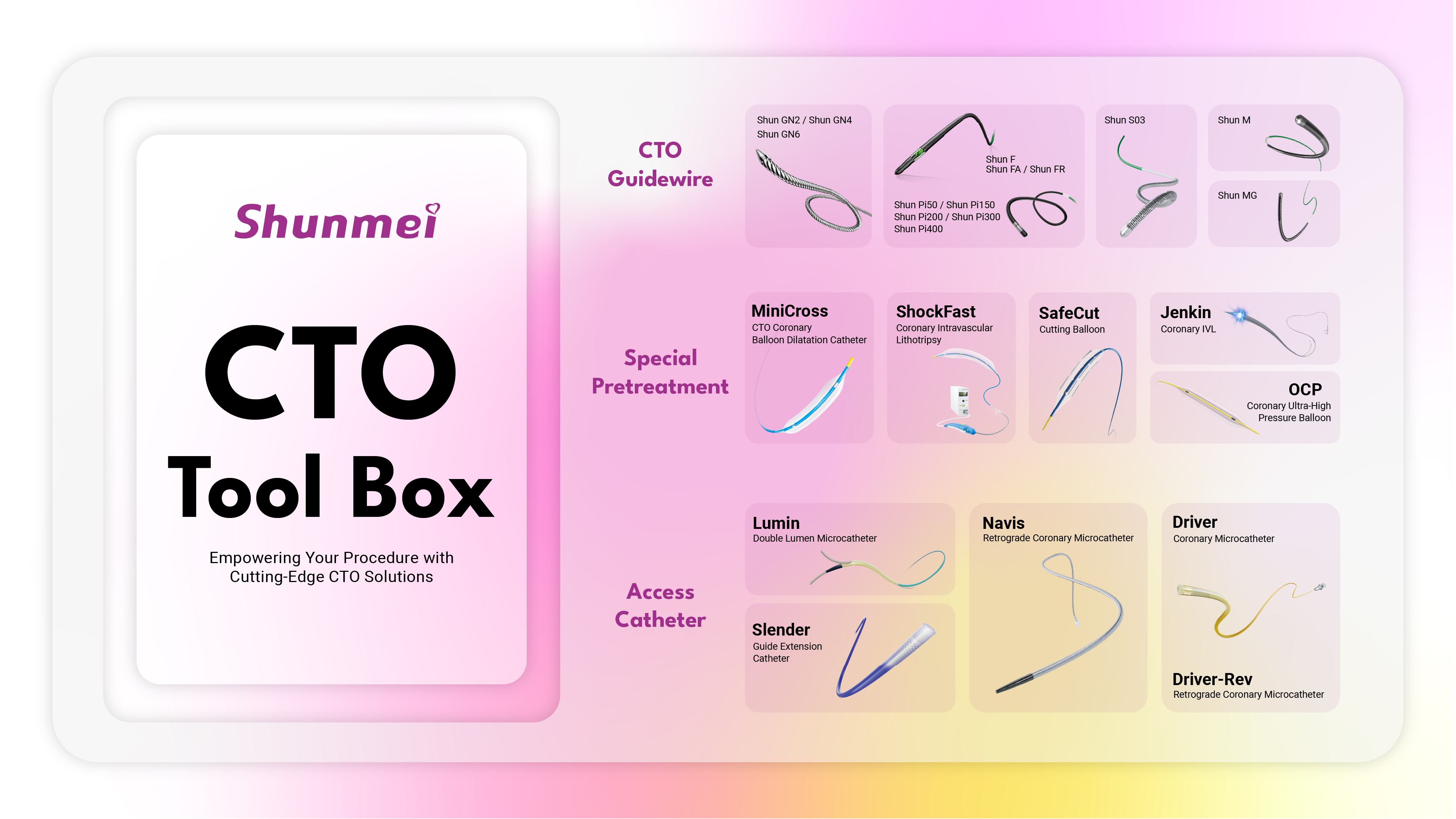
There is no one-size-fits-all guide wire. For chronic total occlusions you need stiff cores and penetrating tips; for delicate distal work, soft-tipped hydrophilics are better. When cost pressure forces choices, prioritise wires by procedure type rather than by unit price. Stock a small set of proven, different-behaviour wires to cover most cases rather than many single-use specialities you rarely need.
Experience and sourcing — a field note
From procurement rounds with a catheter manufacturer in Shenzhen’s medical-device corridor, I learnt that small differences in metallurgy and machining explain most field complaints. That direct sourcing experience, paired with clinical feedback loops at major gatherings like EuroPCR, is what separates suppliers who deliver consistent performance from those who merely sell specs. Work with partners who provide test batches and transparent manufacture reports; that’s the practical measure of trustworthiness.
Common procurement mistakes to avoid
Don’t accept marketing names as performance claims. Don’t let purchase decisions rest solely on price. Don’t skip hands-on trials. Require documented clinic trials, bench torque results and traceable lot testing. Keep clinicians involved through a short, defined evaluation period; their qualitative feedback is essential and often reveals issues lab tests miss.
Checklist for a safe purchase
Use a short checklist at order: confirmed procedure fit, bench torque data, coating stability report, regulatory files, labelled shelf-life, trial sample approval, and substitution notice terms. If any item is absent, stop the purchase until it’s resolved. These controls reduce on-table surprises and protect both patient outcomes and your supply reputation.

Closing synthesis
Problems with PTCA guide wires are specific and solvable: focus on real handling data, verified compatibility, clear documentation, and short clinical trials. That approach narrows risk, saves time in cath labs, and keeps distribution flowing. Where you need a partner that understands both production and bedside demands, Shunmei fits the practical role of supplier and collaborator rather than a distant vendor.