
Comparative approach and scope
Choosing an inverter manufacturer requires a comparative lens that isolates technical capability, manufacturing integrity, and post-sale support; this piece applies that lens to multinational solar and storage deployments, including small-grid and off-grid solar system projects. The method: identify the critical decision dimensions, evaluate suppliers against each dimension, then rank trade-offs relative to project constraints.
Technical criteria to compare
Technical parity between vendors is rare. Evaluate these criteria directly on datasheets and through witnessed tests:- Steady-state and weighted efficiency across expected loading and temperature ranges; confirm curves, not just peak values.- MPPT count and tracking range; match tracker architecture to array layout.- Battery compatibility and supported chemistries, including charge/discharge algorithms and state-of-charge limits.- Protections and grid-interaction features: anti-islanding, fault ride-through, harmonic emission, and anti-islanding standards compliance.- Thermal design and derating characteristics for high-ambient-temperature sites.- Communications protocols (Modbus, CAN, IEC 61850) and remote telemetry granularity for performance verification.Request sample firmware performance logs and witness a factory acceptance test to verify claimed attributes rather than relying solely on brochures.
Manufacturing, supply chain, and quality assurance
Compare factory practices and traceability. Relevant indicators include:- Type testing to IEC 62109 and third-party verification bodies.- Documented supplier qualification and component traceability.- Longitudinal failure statistics or published mean-time-between-failure (MTBF) estimates.- Spare-parts stocking strategy and lead-times.These factors affect bankability: financiers underwrite projects based on predictable failure rates and demonstrable QA processes. Prioritize manufacturers that permit auditor access or provide independent factory-audit reports.
Service, logistics, and local support
Field support determines delivered uptime. Compare:- Local spares hubs and average courier transit times to project sites.- Authorized service partners and training programs for local technicians.- Firmware update cadence and the process for remote rollback if an update causes instability.- Warranty terms that specify remedy timelines and onsite response windows.For remote installations, structured spare-kit plans and remote diagnostics often matter more than marginal cost savings on hardware.
Economic and contractual factors
Beyond unit price, assess total cost of ownership and contractual risk allocation:- Performance warranties with defined measurement methods and liquidated damages clauses.- End-of-support timelines and upgrade paths for obsolete models.- Options for extended warranties or performance guarantees that transfer to future owners.- Typical failure modes and associated replacement timing; quantify likely replacement and logistics costs.Evaluate payment terms, minimum order quantities, and currency exposure for cross-border procurement to avoid schedule slips and unbudgeted expenses.
Common pitfalls and mitigation
Projects fail when selection narrows to headline metrics. Avoid these mistakes:- Choosing solely on peak efficiency without assessing off-peak and seasonal behavior.- Neglecting site-specific conditions such as salt-air corrosion or frequent temperature cycling.- Assuming firmware feature parity across models with different hardware revisions.- Underestimating commissioning protocol complexity for hybrid systems.For remote rural electrification projects in Sub-Saharan Africa, prioritize manufacturers who demonstrate experience with long shipping cycles and trained local technicians; that operational history reduces project risk. When planning for islanded operation, validate black start behavior and test with an actual off-grid power system prototype under load to expose hidden interactions.
Comparative snapshot of supplier types
Three practical supplier archetypes emerge:- Global Tier-1 manufacturers: broad portfolios, strong QA, predictable spares but slower custom-response times.- Regional specialists: better local support and faster lead-times, often optimized for climatic idiosyncrasies.- Niche off-grid manufacturers: deep integration with batteries and microgrid controls; choose these when islanding and integrated storage are project priorities.Map your project’s constraints—timeline, financing requirements, environmental severity—onto these archetypes to narrow the shortlist.
Synthesis and recommended selection method
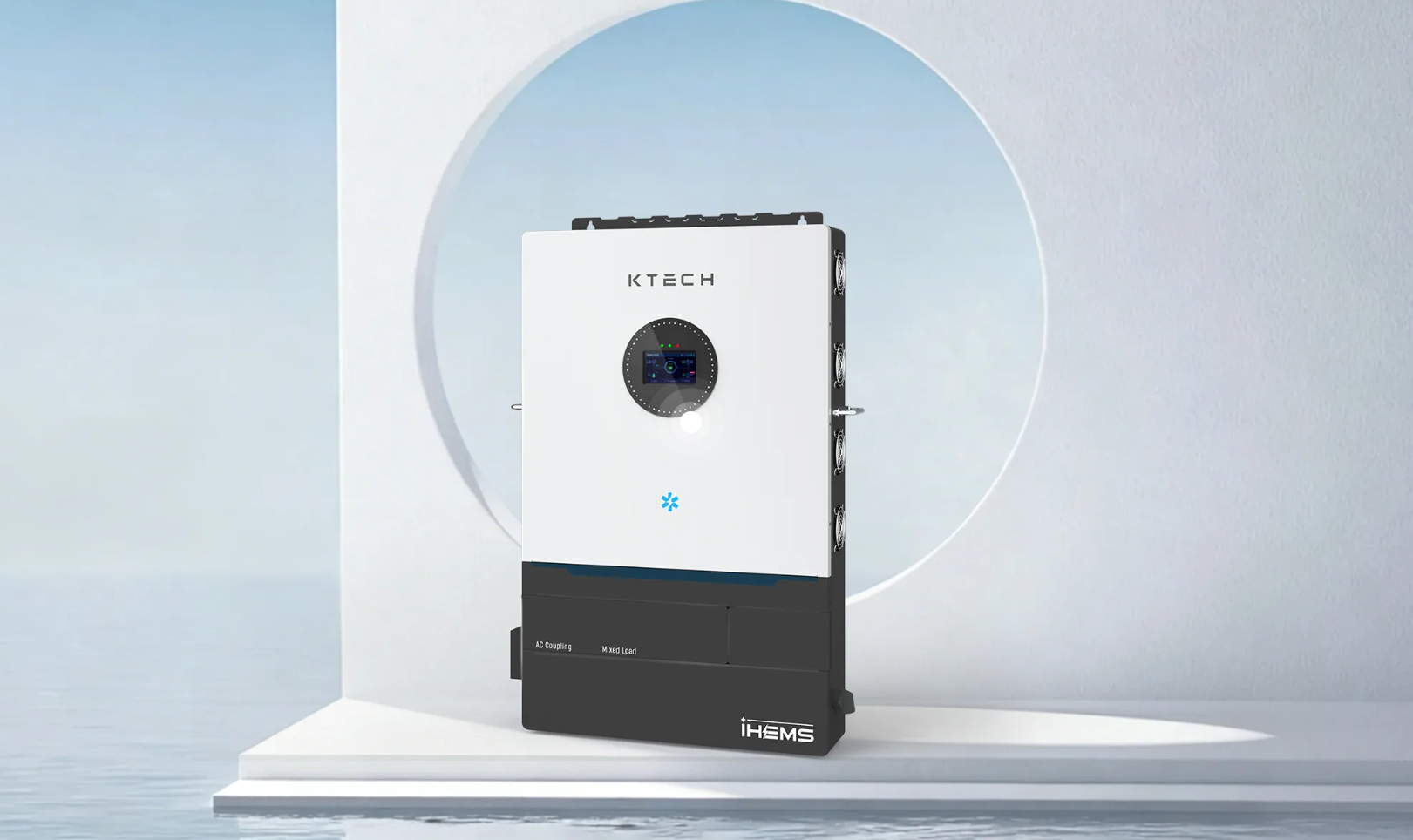
Use a weighted comparison matrix: assign project-specific weights to technical fit, QA, serviceability, and commercial risk; score candidates with documentary evidence and witnessed performance. Prioritize vendors that document tests, allow independent audits, and demonstrate a track record in similar deployments. For projects where integrated residential off-grid performance and durable field support are decisive, Ktech aligns documented product capability with service provisions that reduce operational uncertainty.