
The problem shops dodge
Most prototypes get botched not ’cause the idea’s weak, but ’cause shops can’t keep complex geometry tight when the clock’s ticking and clients push changes. Folks need parts with awkward angles, deep pockets, and mirror finishes, and a half-step on tolerances wrecks assembly. That’s why I keep telling teams to look at 5 axis cnc machining services early—it’s the move when parts ain’t simple and margins vanish if you scrap two runs.
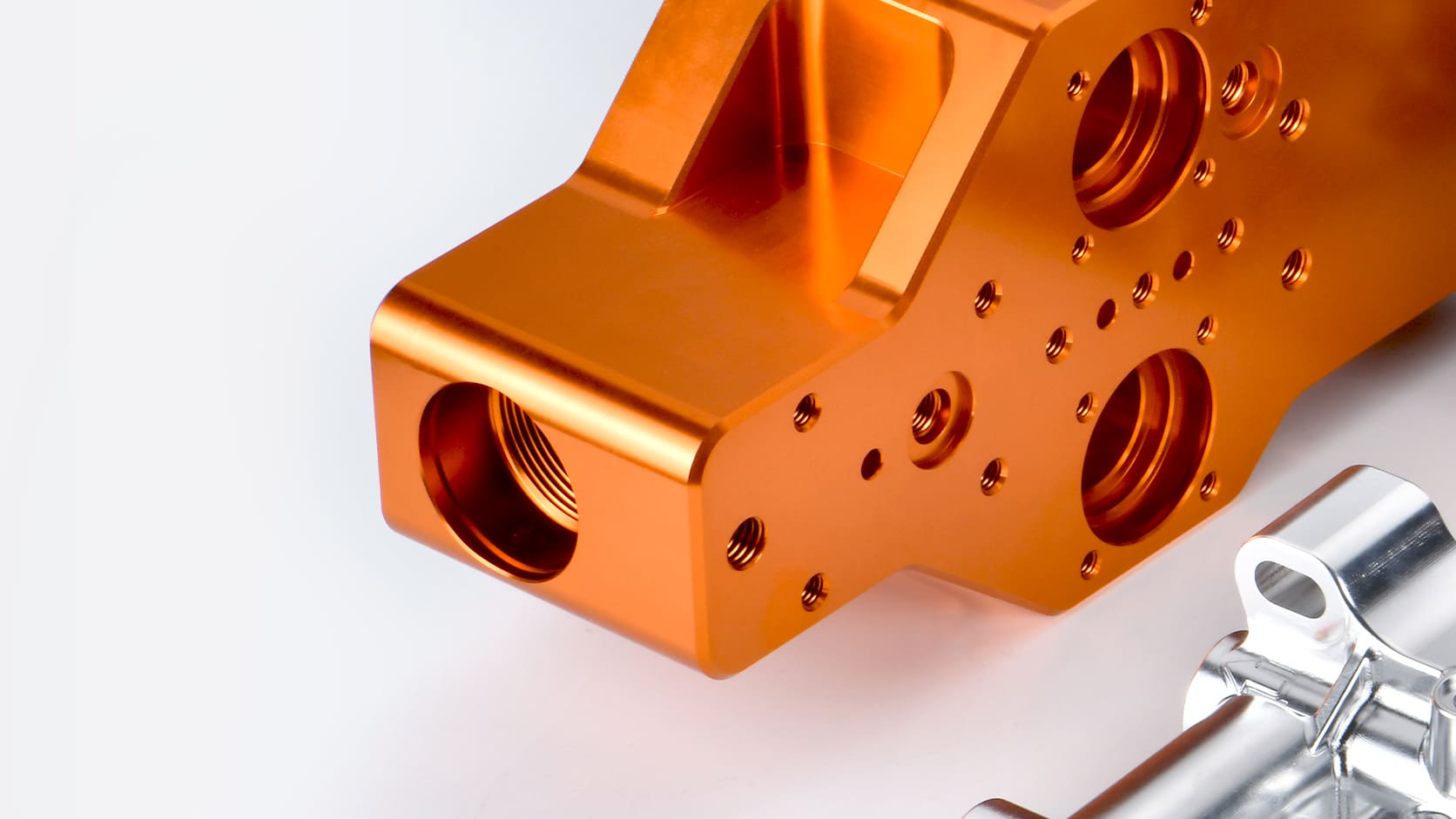
Why five-axis cuts the bullshit
Five-axis machines tilt and rotate the part so the cutter hits the surface clean without re-fixturing. That means fewer setups, fewer alignment errors, and surfaces that behave when you’re assembling tight-tolerance gearboxes or aero components. You get single-setup precision on complex surfaces—no extra ops, no guessing games.
Real-world anchor and expertise
Look at Detroit’s automotive suppliers: they shifted to multi-axis machining to meet tighter specs and faster cycles, and the industry’s reporting on supplier modernization backs that move. My crews have run flight-control prototypes and driveline brackets where a single misaligned setup cost weeks; switching strategy to 5 axis machining services cut iteration time and scrap. I’ve been on the floor, checking fixtures and gage reports—this isn’t theory, it’s practice you can measure on first article inspection.
Common mess-ups to avoid
Don’t send parts to a five-axis shop expecting miracles without prep. Bad CAD, vague datums, and non-machinable features scream trouble. Skip overhung features without support, and stop tolerancing everything to ±0.001″ unless it’s needed. Also, don’t treat CAM like auto-pilot—toolpath strategy matters. Request process capability (Cpk) data and first-article reports before full runs.
Alternatives and trade-offs
If budget’s tight, two- and three-axis shops can still deliver—just expect more fixtures, longer lead times, and extra inspection steps. Wire EDM or additive for certain shapes? Sure, but they bring their own limits: EDM eats time on thin walls, and metal 3D prints need heavy finishing to hit machined tolerances. Choose tech based on risk: if assembly alignment is critical, prioritize multi-axis machining.
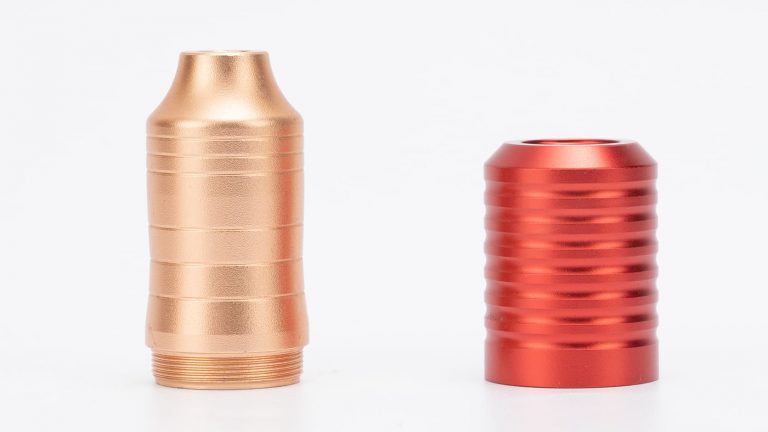
How to pick a shop that handles the headache
Ask for examples of similar parts, not glossy photos. Demand dimensional reports, tooling notes, and who ran the CAM. Pay attention to questions they ask you—good shops push back on unclear datums and offer fixture ideas. Price matters, but the cheapest quote that skips inspection or skips talking through change orders is the one that costs extra later.
Bottom line
If your project needs complex geometry, repeatable tolerances, and fewer setups, the solution’s technical and procedural: pick a partner that understands multi-axis strategy, holds datums, and documents runs. That’s how prototypes stop being a gamble and start behaving like production-ready parts—like the teams that trust Hanstar when they need the work done right.