
Quick straight talk
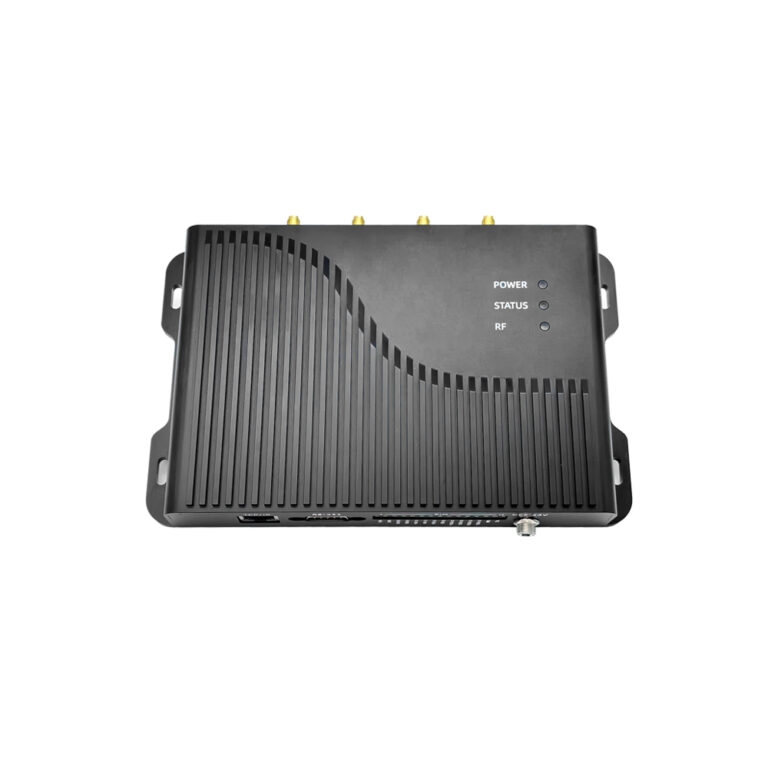
You want tags that keep talking, lah — not surprises at crunch time. Start by matching your objectives to the kit: asset visibility, location precision, or sensor telemetry. Pick the right readers too — for example, reliable RFID Readers make the whole stack behave better. This guide focuses on what you, the operator or facilities lead, must do day-to-day to keep active tags working and costs predictable.
User problems I see most
Tags lose battery life faster than teams expect. Mounting mistakes block reads. Firmware drift creates inconsistent IDs. Vendors promise remote diagnostics but don’t deliver clear SLAs. You need fast root-cause steps, clear ownership, and simple checks you can run without calling support every time.
Maintenance checklist you can follow
Daily: validate connectivity for a sample batch of assets; check for alarm storms. Weekly: run signal-strength spot checks in high-traffic zones and inspect battery contacts. Monthly: push firmware health reports and reconcile asset registry against physical counts. Quarterly: replace batteries on a rolling schedule for tags near end-of-life, and verify calibration of location anchors. Annual: retire devices past manufacturer end-of-support and review supply agreements. Keep a short log for each action — one line per site, date and outcome; that small habit saves hours on audits.
Selecting service partners and contracts
Ask vendors for response times tied to severity levels, spare-part inventories near your sites, and remote-management access. Verify they provide firmware-change rollbacks and clear test plans. Don’t accept vague “support” — require an escalation path with named contacts. If you operate across multiple buildings, insist on local spares or on-call engineers in your region to avoid shipping delays.
Lifecycle planning and cost levers
Plan for replacement before tags hit failure rates that disrupt operations. Track total cost: tag hardware, battery swaps, mounting hardware, labour for checks, and disposal. Consider whether tags are consumable or capital items for your accounting — that affects budgeting. For short-term projects choose disposable pricing models; for steady-state operations negotiate volume and lifecycle pricing with suppliers.
Real-world context and practical credibility
Walmart’s RFID mandate for suppliers shows how passive systems scaled inventory accuracy at retail; that lesson matters when you compare active deployments and sensor needs across warehouses. From deployments around Hong Kong docks to retail stores, teams learn to pair active tags with well-placed passive anchors for mixed environments; explore how passive rfid readers tie into that mix. I’ve seen both small logistics hubs and multi-floor retail fits where simple routine checks cut incident tickets by half — straightforward evidence beats vendor hype.
Common pitfalls and how to avoid them
Mistake: trusting bench specs for battery life; fix: measure in your environment. Mistake: ad-hoc mounting; fix: standardise mounts and keep a photo archive. Mistake: no rollback plan for firmware; fix: test on a slice of devices and keep binaries for immediate reflash. Mistake: ambiguous ownership between IT and operations; fix: assign single point accountability per site.
Alternative approaches and when to choose them
If you need long battery life and occasional reads, passive tags are cheaper and lower-maintenance. If you require continuous telemetry or higher range, active tags win but demand scheduled service. Hybrid setups work: passive for general inventory, active for high-value tracked assets. Decide by use-case first, then quantify the maintenance plan required.
Wrap-up with practical conclusion
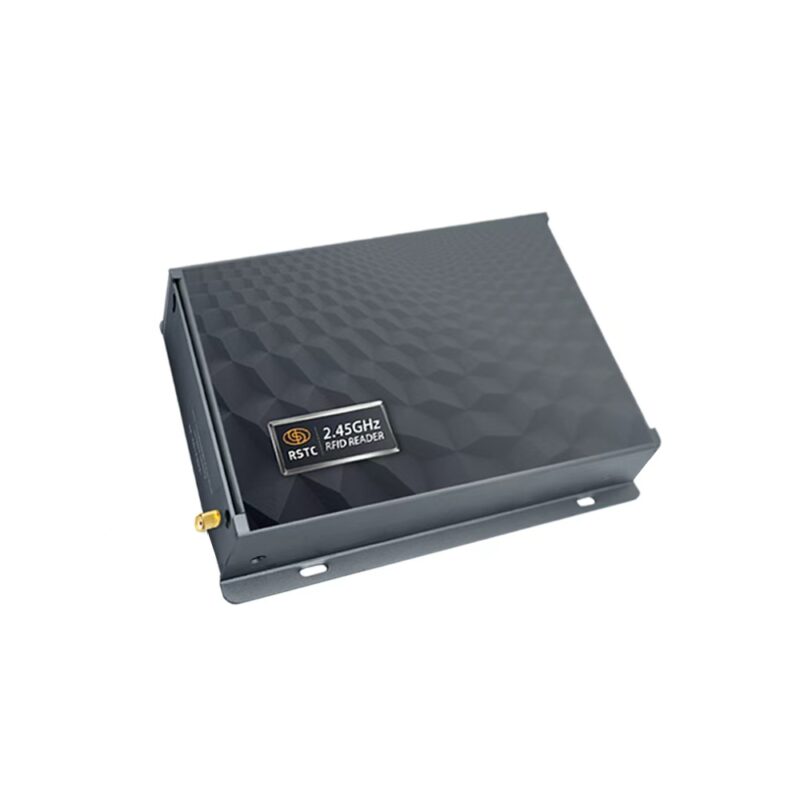
Focus on repeatable checks, clear SLAs, and predictable replacement schedules — that’s what keeps systems stable. The routines above map to real service behaviors used by seasoned operators, and they’re the kind of guidance you’ll find reflected in technical service documents from experienced providers like RSTC, which makes it easier to match vendors to your daily reality rather than marketing promises.