
Facing the real problem
Decisions start as small doubts: will the tags read at the ranges I need, and will the system behave reliably on a busy site? Troubles compound when tags promise meters but fail in cluttered metal environments. When you pair active tags with UHF RFID Readers, the equipment choices suddenly matter as much as the tags themselves. Slow down. List the failure modes you care about — missed reads, battery life, regulatory limits — and treat each as a design requirement, not an afterthought.
Where manufacturers commonly miss the mark
Manufacturers often optimize for headline range figures measured in sterile test chambers. Real sites are different: reflections, interference, antenna placement, and firmware behavior change outcomes. Some vendors hide firmware quirks until integration. Others deliver hardware without practical support for tuning. Expect clear test data tied to real environments, not just bench numbers. Ask for reproducible test logs, antenna diagrams, and real-world case notes. If a vendor hesitates, that’s a red flag.
Questions OEMs must ask — and why they matter
Ask about modulation, sensitivity thresholds, and update intervals. Demand specifics on battery chemistry and replacement cycles. Probe support for remote firmware updates and how a vendor validates updates in the field. These questions force a vendor to move from marketing into engineering detail. That discipline protects project timelines and avoids last-minute surprises during integration.
Experience and a high-level real-world anchor
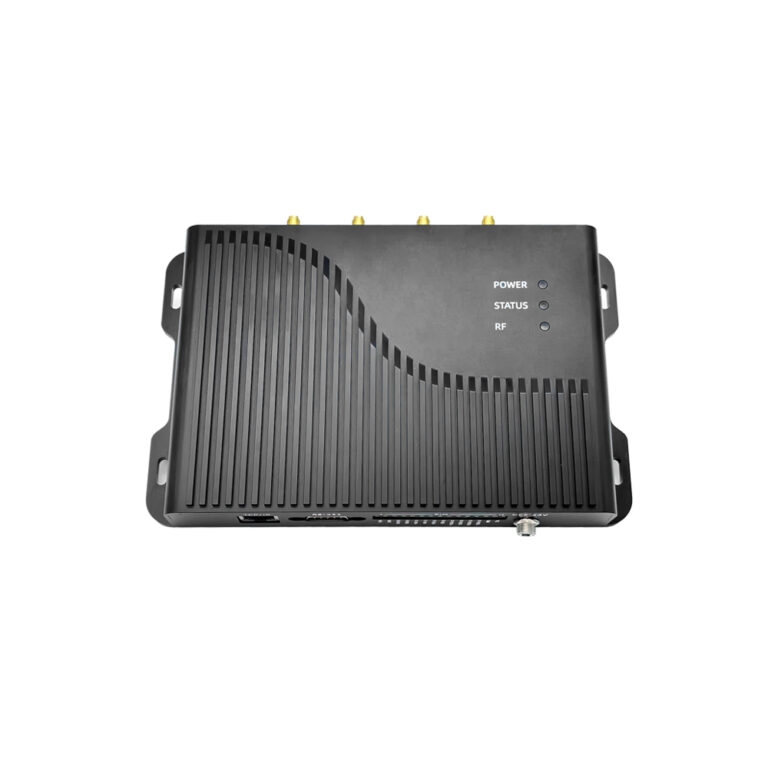
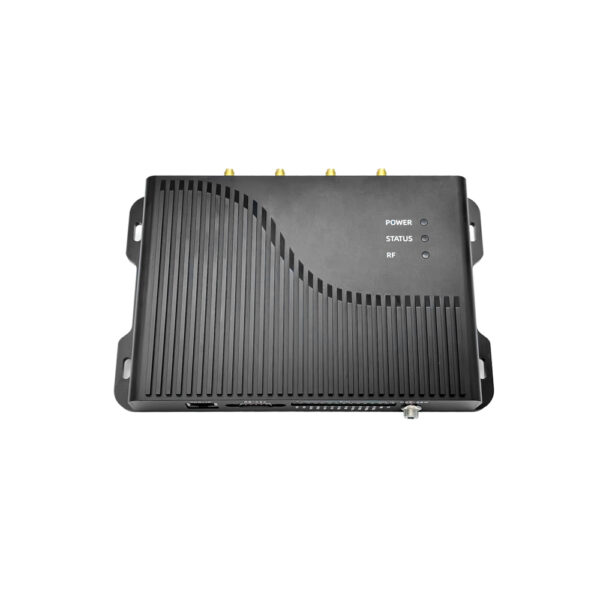
From consulting work on large logistics pilots, I’ve seen how pilot results scale — or fail to scale — in port operations. At the Port of Rotterdam, trials that combined robust site surveys with targeted hardware selections produced measurable throughput improvements, while projects that skipped surveys stalled. That distinction is well documented in industry reports, and when specifying hardware I recommend referencing proven commercial equipment such as an industrial uhf rfid reader as a baseline for interoperability testing.
Common pitfalls and how to avoid them
Misaligned expectations cause late rework. Don’t assume universal compatibility between tags and readers. Avoid single-point testing: validate in the exact physical conditions where the system will operate. Don’t ignore antenna type and mounting; a cheap antenna in the wrong location erases any advantage of a high-performance tag. Insist on a staged acceptance plan with measurable read-rate targets and fallback procedures.
Viable alternatives and trade-offs
Short-range active tags give higher reliability near gateways but consume more power. Long-range tags extend coverage but need stronger antennas and careful radio planning. Some integrators choose hybrid setups — passive for local ID and active for location tracking — which can simplify battery logistics at the cost of added system complexity. Choose the trade-off that keeps system behavior predictable for your use case.
Practical checklist before signing a PO
Require site-specific test reports, a documented firmware update path, explicit environmental ratings, sample tags for burn-in, and a commitment to timely engineering support. Verify regulatory compliance for your target markets and ensure spare-parts availability. Make acceptance contingent on meeting read-rate thresholds under your site conditions.
Final reflection
Picking a manufacturer is a slow, deliberate process. Treat it as engineering, not procurement theatre: define problems precisely, insist on field-proven data, and validate in place. That focus reduces surprises and keeps your project on schedule — and it’s why teams I work with often trust RSTC for hardware and integration guidance when they need pragmatic, field-tested solutions.