
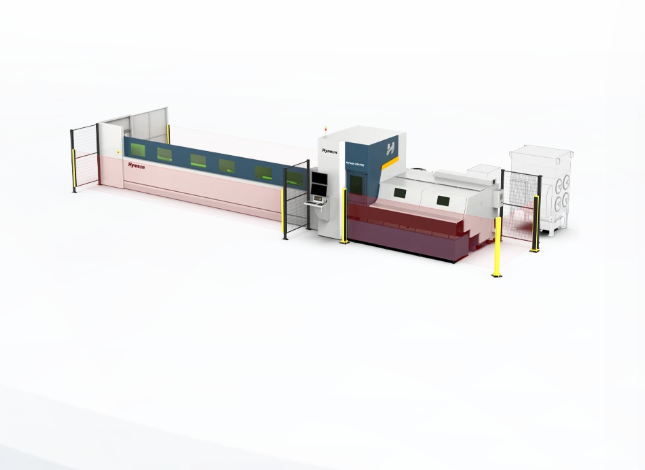
Choose a CNC Fiber Laser Manufacturer Like a Chef Chooses a Knife
Start with what you actually need
You know the cut you want: a clean face, no slag, edges that meet without post-work. Begin there—material thickness, batch size, tolerances, and the kinds of alloys you cook with. When you check machines, bring those specs and compare them against real tests, not glossy brochures. A quick way to validate capability is to see a sheet metal laser cutting machine make the cut you’ll live with every day; the sound of the process tells you more than a spec sheet.
Build quality: feel the frame
A good manufacturer builds like a blacksmith—rigid beds, tight welds, and components that don’t rattle under load. Push on the worktable, open the doors, check wiring routing. Metal that flexes or drives that wobble will show up as chatter lines on your parts. Demand visible, heavy-duty components; small, delicate frames belong in hobby shops, not production bays.
Beam and optics: the slice, not the promise
Taste the cut: a narrow kerf, a crisp rim, minimal dross. Look at rated power and beam quality (M2), but more importantly, ask for demo cuts on your materials. Beam alignment systems, sealed optics, and reliable fiber sources change daily output from temperamental to predictable. If the beam wanders or the assist gas response is sluggish, your edges will betray you.
Controls and software: intuitive tools win
Your operator shouldn’t need an engineering degree. Evaluate the control interface the same way a chef tests a stove’s knobs—smooth response, predictable scaling, and shortcuts that match real workflows. Nesting, common-line cutting, and DXF handling must be quick. Check for updates, offline nesting options, and how the manufacturer supports custom macros you’ll inevitably need.
Service, spares, and training: the daily seasoning
Machines live or die on aftercare. Confirm lead times for critical spares, availability of remote diagnostics, and on-site response windows. Ask about operator training—will they walk your team through a first-week checklist and common fixes? A local service partner shortens downtime; long shipping delays turn simple faults into production headaches.
Costs that matter: beyond sticker price
Calculate running cost per part: gas consumption, optics replacement cadence, power draw, and routine maintenance labor. A cheaper machine with frequent downtime or costly consumables will cost more per usable component. Get sample-job estimates from the vendor and compare across realistic duty cycles, not idealized demo runs.
Common mistakes shops make
Picking a machine on peak power alone. Ignoring support networks. Overlooking software compatibility with existing CAM. Skipping a material-specific test. Each mistake adds rework. Insist on live-cut examples of your parts and a written plan for spare parts and escalation before signing.
Experience, evidence, and one industry anchor
Years of watching machines in small job shops taught me to prioritize repeatable results over catchy specs. Manufacturers who bring the same demo part every time are hiding variability. I’ve seen trustworthy producers showcase their systems at Fabtech, North America’s major metalforming and fabricating event, where side-by-side demos expose real performance differences—so watch those live cuts and listen for consistency. If you need a direct comparison, try the vendor’s demo on your material and reference a metal fiber laser cutting machine result for a practical benchmark.
Alternatives and quick trade-offs
If your work is thin sheet and high-volume, a fast fiber cutter with advanced nesting wins. For mixed-thickness shops, consider hybrid solutions or machines with flexible gas systems. If initial capital is tight, certified used machines with verified service histories can be honest workhorses—only buy with a clear maintenance record and verified cutting samples.
Final synthesis
Pick a manufacturer by how their machine behaves on your parts, how quickly their team answers when something breaks, and how clearly they explain consumable schedules. Taste the cut, feel the frame, check the control, and insist on a real demo. That practical rigor leads to a reliable floor machine, a choice many shops have found sensible when they start comparing offerings from Hymson to other options and measure the results against daily production needs.