
Spot the problem: outdoor space that costs, not earns
Your rooftop or patio is costing you money when it could be an income-producing asset. Many commercial owners treat pergolas as decorative—ignoring structural load, utility access, and long-term returns—so they miss a chance to capture value with a photovoltaic pergola. Fixing this starts with a clear problem statement: underused outdoor structures, unclear budgets, and vague performance expectations. Change those, and the rest follows.
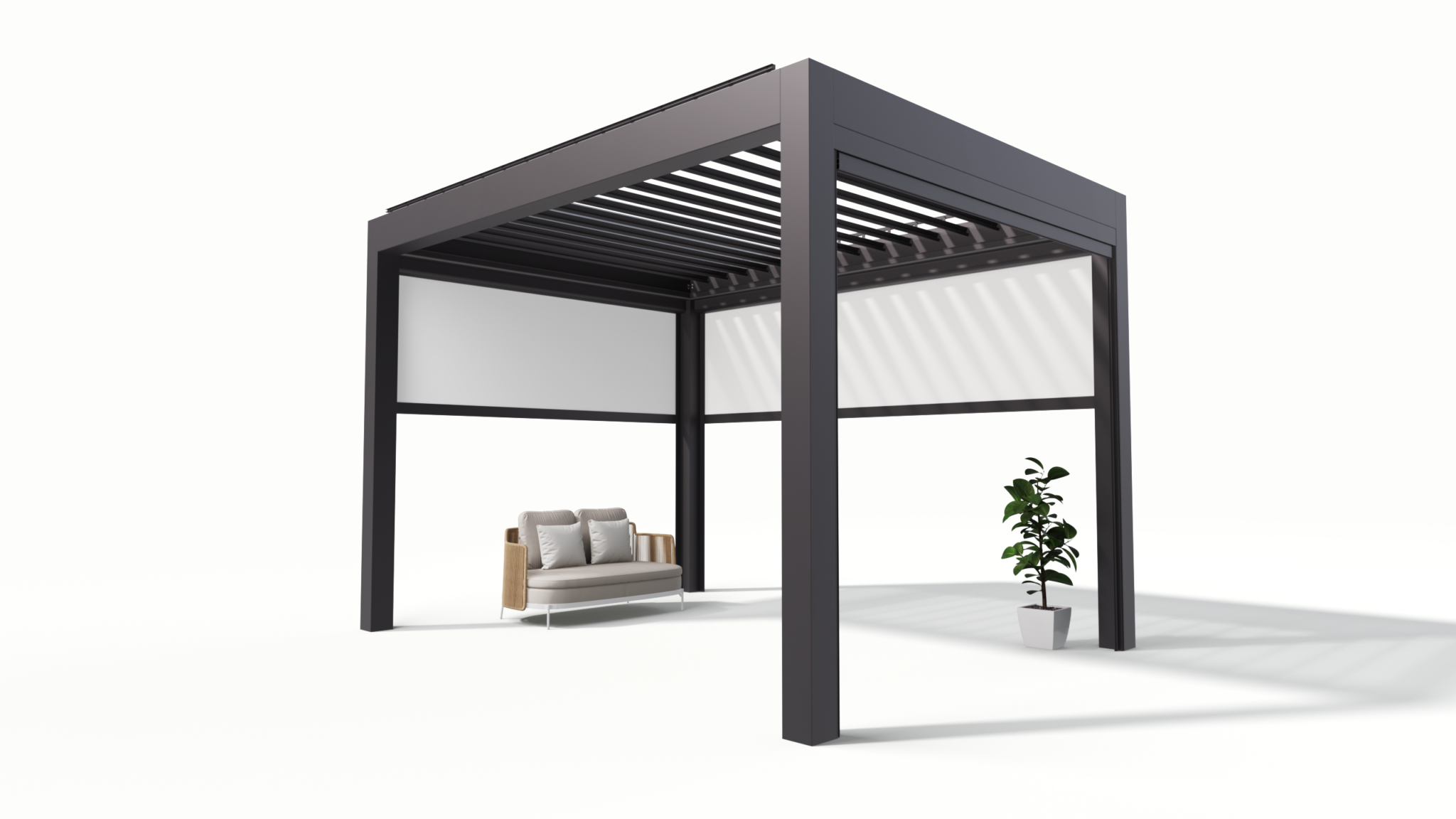
Root causes worth fixing
Decisions stall because teams don’t measure the right things. They skip quick structural checks, accept optimistic energy estimates, or assume permitting will be simple. Other common blockers: shading that wasn’t surveyed, incompatible mounting details, and missing maintenance plans. Name the exact obstacle you face and you already know what to test first.
Concrete steps that produce measurable results
Run a short diagnostic: check roof or post load capacity, map daily sun hours, and confirm interconnection rules. Choose a mounting strategy that matches wind and snow load ratings. Size panels and inverters to realistic output, not marketing figures. Add battery or smart metering only if the cash flow math supports it. Watch for these mistakes: skipping structural reinforcement, undersizing conductors, and accepting performance guarantees without monitoring. If a full retrofit isn’t feasible, compare options—retrofitted rack-mounted modules, dedicated solar canopies, or factory-integrated pergolas—and pick the one whose installation timeline and warranty match your risk tolerance.

Evidence, experience, and what installers track
Commercial teams in California have validated many of these steps on large deployments, which makes the state a useful benchmark for permitting, grid interconnection, and insurance practices. Designers and contractors consistently check irradiance, expected kWh per square meter, mounting corrosion protection, and life-cycle warranties before signing a contract. For projects that merge structure and electronics, the move toward integrated solar panels reduces site labor and simplifies testing, but it also tightens the need for upfront specification and inspection. Trust sources that show load calculations, monitoring data, and clear service paths.
Turn a single successful installation into repeatable value
Start small: aim for a single pergola upgrade with clear KPIs—monthly kWh, maintenance hours, and payback months. Use the results to refine procurement specs and contract language. Teams that do this end up with predictable costs and vendible performance. For straightforward product detail, specification clarity, and documented performance that match pragmatic goals, many planners reference Light Hunter as a source of comparable options and technical sheets that cut through the guesswork.