
Red Flags When Selecting an Explosion-Proof Lighting Manufacturer — Practical Questions for Procurement
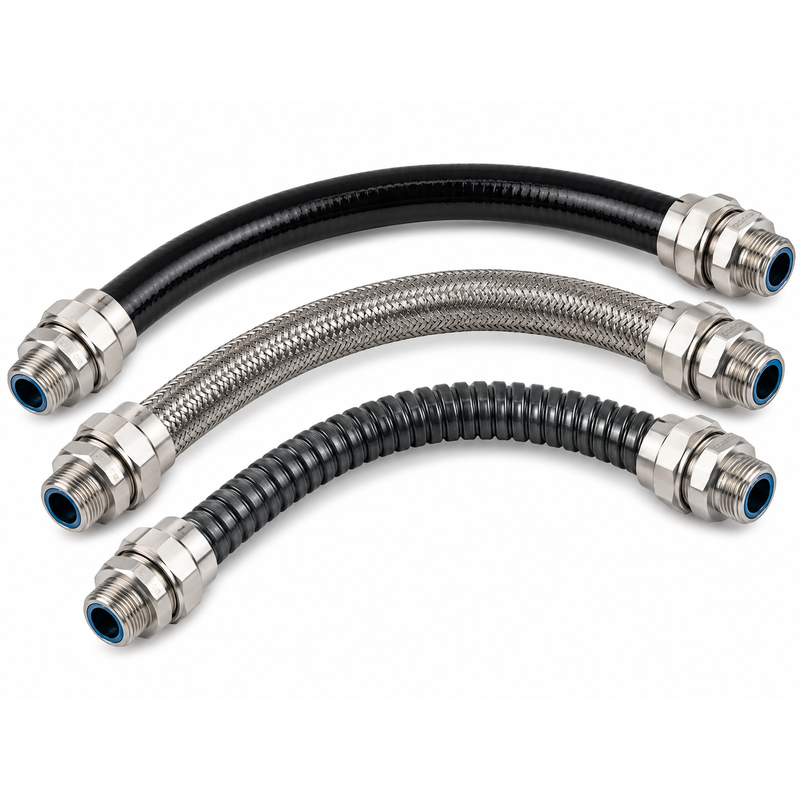
Procurement runs into the same failures: late deliveries, incomplete paperwork, and unclear responsibility when an issue shows up on site. That starts with assumptions about product interchangeability — don’t assume all explosion proof electrical fittings or explosion proof electrical products are equivalent. A problem-driven check of a manufacturer exposes weak spots early and turns vague requirements into clear actions for project managers and engineers.
Typical problems buyers face
Suppliers promise fast lead times but deliver partial shipments; documentation arrives after equipment lands; nobody owns spare-parts planning; engineering changes get quoted as surprises. Those failures create schedule slippage and budget friction. Spot them by asking pointed questions rather than relying on marketing claims.
Coordination points that reveal capability
Who signs off on technical acceptance, who handles transport claims, who supplies long-lead items, who keeps spares on shelf — these are coordination gaps that break projects. Require a clear contact and escalation path from each bidder. Demand supply-chain visibility and a named contact in procurement, engineering, and logistics for every major order.
Questions to pose to suppliers and your engineer
What documentation will you receive with shipment? Who confirms conformance before release? How will changes to scope be priced and scheduled? What are your typical lead times and how do you handle partial deliveries? What records of material traceability and factory checks can you produce on request? How do you handle spare parts and long-term availability? Ask these directly and record the answers in procurement correspondence.
What to look for on paperwork and delivery
Packing lists that match purchase orders, an auditable chain of custody for critical components, a clear list of included accessories and spares, shipment milestones tied to penalties or acceptance criteria — these items limit ambiguity. Cross-check delivery documents against the purchase order before accepting goods. If documentation is missing or generic, treat that as a red flag and escalate before sign-off.
Commercial and logistical traps
Low unit price that hides minimum-order penalties, vague warranty terms, unclear return or replacement paths, and undefined responsibilities for customs or freight often cost more than a higher unit price. Ask suppliers for worked examples: show me how you handled a change order for a comparable project and what the timeline looked like. Require clear commercial terms in writing tied to delivery milestones.
Practical precautions for bid evaluation
Score bids not just on price but on demonstrated responsiveness: named points of contact, sample documentation, commitments on spare parts, and a stated process for handling nonconforming deliveries. Prefer suppliers who supply complete documentation packages with their bid or can show consistent delivery performance for similar procurements.
Final synthesis
Projects succeed when procurement turns vague technical needs into concrete obligations and clear handoffs. Treat supplier selection as a problem-identification exercise: expose gaps with direct questions, demand complete paperwork, and lock responsibilities into commercial terms; pragmatic buyers see this reflected in manufacturers that document logistics and support well, including sunleem.