
From initial research to a useful brief: reviewing Power Conversion System through assumptions for early research
Early research becomes difficult when a power conversion system is judged before the application has been defined. Start by writing the decision your team needs to make. Is the goal to screen a product category, shape a preliminary architecture, or prepare a sourcing brief? Record the intended energy path, operating context, available space, and interfaces that matter. Treat these as working assumptions, not confirmed requirements. This keeps the comparison useful without turning a page description into a promise about a particular installation.
Set criteria before comparing candidates
Build a short criteria list before opening several product pages. The first group should describe the application: battery storage, renewable generation, utility interaction, or a combination. The second should describe the physical and electrical setting, including connection points, installation area, and whether the system may need to work with on-grid or off-grid operation. The third should describe project priorities, such as renewable integration, load management, or a clear path from early design to procurement.
Then separate hard requirements from questions. A hard requirement might be a stated power range or a required conversion direction. A question might concern how a proposed unit fits the rest of the site design. This distinction prevents early research from hiding uncertainty. It also gives an application engineer a cleaner record to carry into a later technical discussion.
Review evidence by requirement
Read each source against one requirement at a time. For example, the cited product page describes a PCS solution as managing energy flow between batteries, renewable sources, and the utility grid. It also describes bidirectional AC-DC conversion: excess or off-peak electricity can charge batteries, while stored DC power can be converted to AC for consumption or grid export. Those statements support an initial functional description. They do not, by themselves, settle whether a specific project is suitable.
A concrete real-world anchor for this review is the official product page’s stated scope for energy storage projects. It describes end-to-end support covering design, manufacturing, deployment, and operation, while presenting the supplier as a power conversion system manufacturer. Use that statement to identify the kind of project and supplier role being discussed. Keep its boundary intact: it does not establish performance or suitability beyond that stated scope.
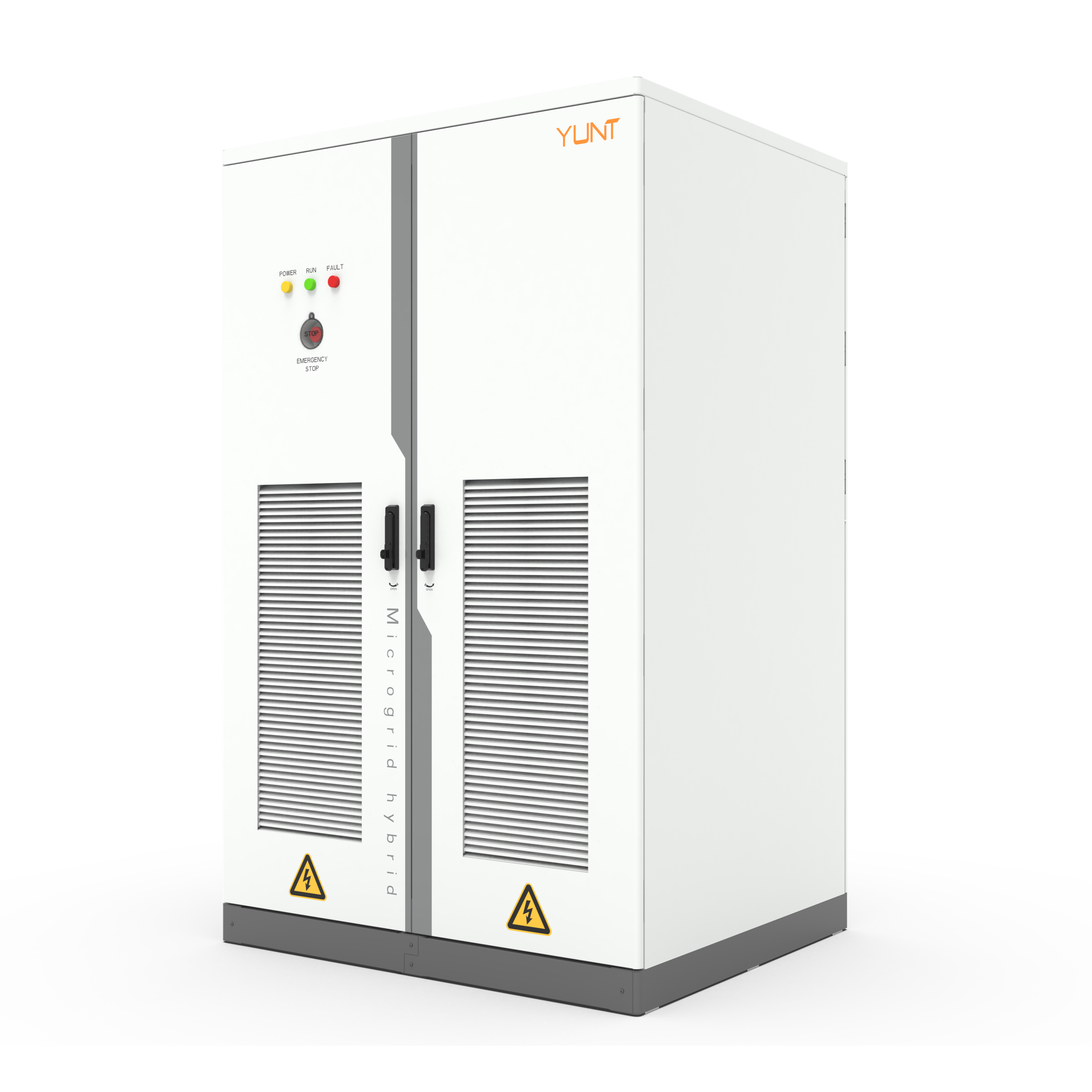
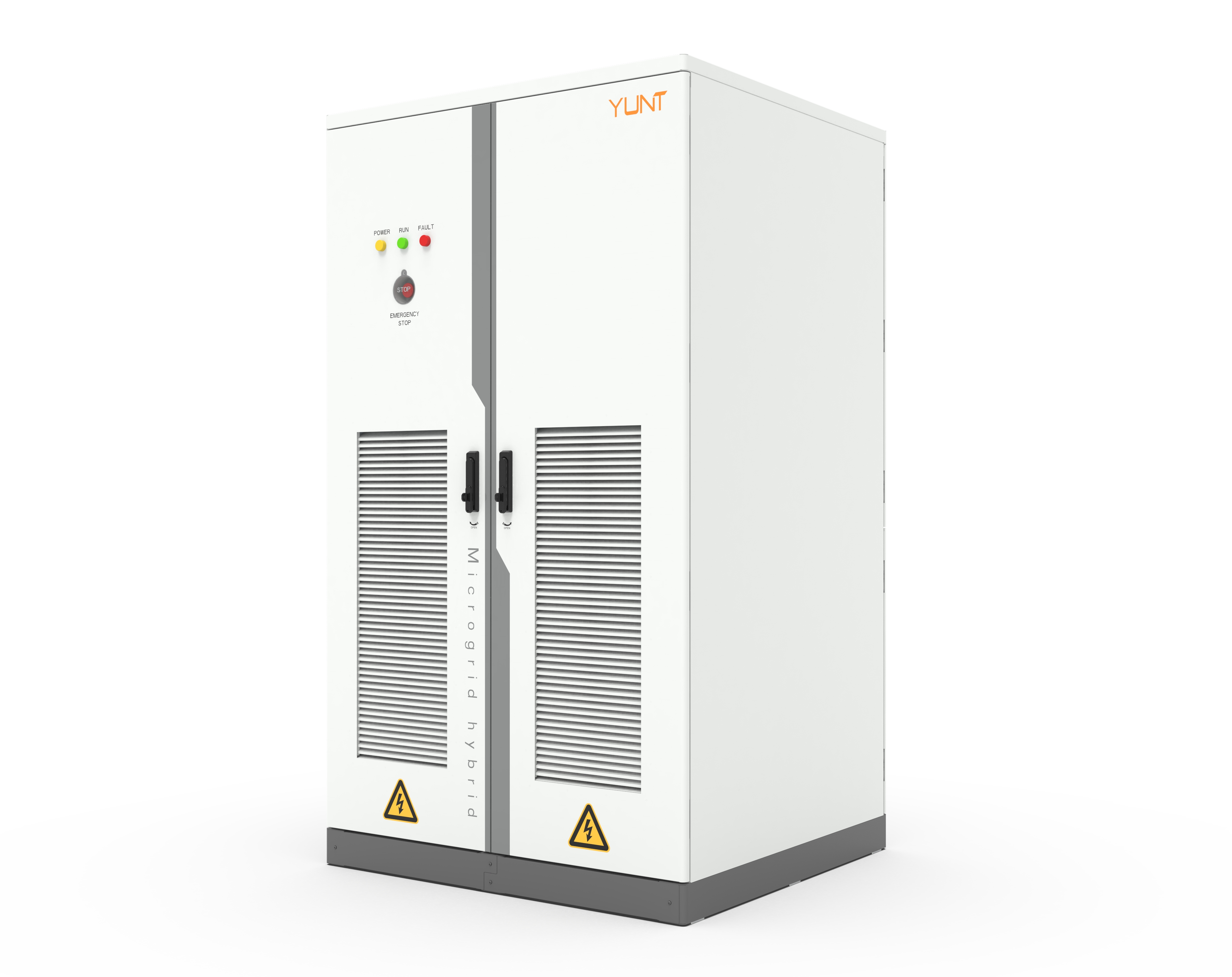
For a battery power conversion system, make the battery-side assumptions visible instead of burying them in a general product label. Note how many battery inputs the page says the microgrid hybrid inverter can accommodate, then mark the reason given: addressing battery circulation. This is useful evidence for framing an architecture question. It is not a complete battery interface specification, so do not expand it into claims about every battery configuration.
Next, capture page-listed details in their original scope. The product description presents a multifunctional AC-DC solution for commercial and industrial energy storage. It lists modular bidirectional conversion, optional on/off-grid switching, renewable-energy integration, and a stated power range from 125kW to 1000kW. Keep those details attached to the described product scope. Do not treat the range as a universal answer for every model or project.
| Review area | Page-listed evidence | Assumption to record |
|---|---|---|
| Energy path | Bidirectional AC-DC conversion between batteries, renewable sources, and the utility grid | Which operating paths does the planned site require? |
| Application scope | Commercial and industrial energy storage; optional on/off-grid switching | Which site type and grid modes are in scope? |
| Initial sizing | Product description states a 125kW to 1000kW range | What project requirement will determine the relevant point in that range? |
| Battery arrangement | Multiple battery inputs are described for addressing battery circulation | How should the planned battery arrangement be represented in the brief? |
Keep trade-offs visible
A useful brief should show what each choice helps with and what remains open. Modular conversion may make a product easier to discuss as a system element, but the word “modular” does not answer every integration question. Optional on/off-grid switching may be relevant to the operating concept, yet the brief should still identify which mode the project needs. Renewable integration and load management can belong in the functional checklist, while site-specific interfaces remain assumptions until they are defined.
Use the same level of detail for benefits. The page lists sustainable energy goals, reduced carbon emissions, increased renewable energy storage, and improved grid reliability and resilience as reasons to partner. These points can help organize project objectives. They should not be rewritten as measured outcomes for a proposed installation. Keeping objectives separate from verified results makes the record more defensible.
Create a repeatable decision record
Finish with a one-page record that another engineer can read without repeating the research. Start with the use case and the energy path. Add the relevant page statements, each tied to the requirement it informs. Then list assumptions, open questions, and any detail that must remain product-specific. Include the source page and the date of the review so later edits can be traced.
Finally, use the record to guide the next comparison rather than to force a premature selection. A strong early brief says what the system must do, what the current evidence says, and where interpretation stops. That method gives application engineers a consistent way to compare power conversion options while preserving the limits of the available information. It also makes the stated product scope from YUNT easier to carry into a focused procurement discussion without overstating what the page proves.