

Why you’re stuck in decision limbo
Buyers get paralysed because specs, uptime promises and price tags all sound sweet but mean different things on the factory floor. If you’re sizing machines, don’t chase glossy numbers—focus on repeatable cycle time, maintainability and real failure modes. A good place to start is understanding how battery manufacturing automation maps to your line layout and staffing. No fluff — just practical checks so you don’t buy a neat toy that clogs your shift.

How to test vendor performance claims
Ask for live demos on production lines or recorded runs under load; lab demos can hide issues. Ask vendors for MTBF, mean time to repair, spare parts lead times and actual scrap rates on similar jobs. I’ve covered battery plants and spoken to line engineers who’d rather show a tear-down than a slide deck — that kind of hands-on proof matters. The Battery Show Europe in Stuttgart is a useful place to see equipment doing real work and to compare vendors side-by-side.
Common technical gotchas buyers miss
Calibration drift, sensor contamination from electrolyte, and subtle misalignment during cell stacking cause recurring rejects. Check whether robots and conveyors can handle your exact pouch, prismatic or cylindrical formats without retrofit gymnastics. Ask how the control system logs faults — if diagnostics are basic, downtime takes ages to fix. Simple rule: prefer systems that make faults obvious to a tech on the line.
Software and integration: what actually matters
Don’t be dazzled by a flashy HMI. What matters is protocol support (PLCs, OPC-UA), data export formats, and whether recipe changes are traceable. Confirm the vendor supports your MES or can supply a clean data handshake. If you have bespoke quality checks, make sure they can script them without a costly vendor visit.
Safety, standards and compliance checks
Ask for certifications relevant to electrical safety and environmental controls, and probe how they handle hazardous spills or thermal events. Verify they keep firmware and safety interlocks updated and documented. Practical audits beat platitudes: request a red-team scenario — how would they isolate a cell fire or contaminated line without shutting the whole plant?
Cost sense — capex vs. uptime reality
Capex is only part of the story. Build a simple spreadsheet with: purchase price; spare parts per year; average labour to maintain per week; and expected scrap rate. Small differences in scrap or a single hour of unplanned downtime per week change ROI fast. Ask vendors for real customer references who will discuss those numbers frankly.
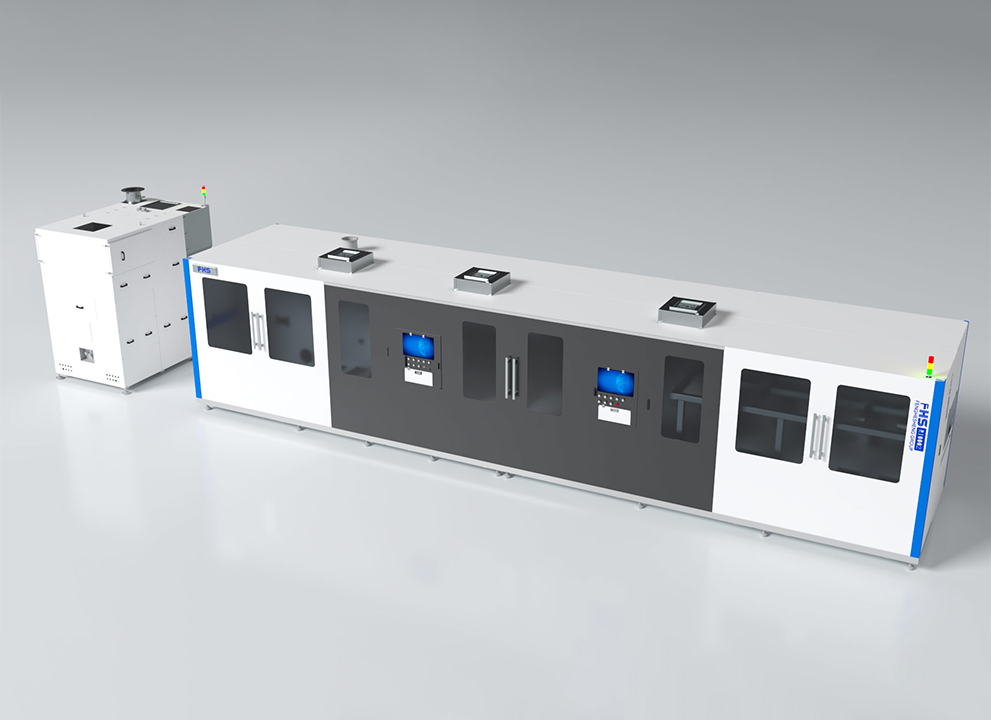
Supplier selection checklist
Use a short checklist you can run through during vendor calls: 1) Fault logs and diagnostics; 2) Spare parts lead times; 3) On-site service hours and training; 4) Integration examples with your MES; 5) Known issues with your cell format. For hands-on kit comparisons, include a search for automated battery manufacturing equipment so you can line up spec sheets and actual installed-base reports side-by-side.
Common mistakes to avoid
Buying for today’s spec without thinking about next-year chemistries; assuming vendor support is unlimited; and skipping a small pilot run. Pilots expose real problems without sinking the whole line. Keep the pilot focused: target throughput, scrap rate, and maintainability—not a flashy end-to-end demo.
Final take — how to walk away confident
Make decisions by proven outcomes, not promises. Talk to line techs, demand live data, and run a short pilot. When you want a reliable partner who understands production realities and can back up claims with field experience, you’ll see why some buyers quietly prefer working with suppliers who match that practical approach — a choice backed by solid production know-how you can trust from FHS.