

An Everyday Scene, A Bigger Question
You’re on the morning Tube, you catch your face in the window, and blimey—those grooves look deeper than they did last week. Hyaluronic acid gel is the thing you’ve heard can plump and make the light sit nicer on tired skin. Industry trackers count millions of injectable sessions each year, and clinics often report strong satisfaction for quick fixes with minimal faff. But have a butcher’s at what’s really going on: fast results can mask slow problems, like how skin moves all day and how cheeks carry load from talk, grin, and grind (proper busy, that face). So the scenario is simple: long day, dry air, soft lighting. The data is clear: many people get fillers every year, and most feel chuffed for a bit. The question is sharper: are deep folds a volume issue alone, or a mechanics issue that needs smarter planning? If the gel sits wrong—too stiff, too movable, or in the wrong plane—you get shadows, not smooth. That’s not the look you fancy, mate.
Right, let’s lift the bonnet and see why some fixes flop—and what to do instead.
Deep Diagnostics: Why Old Fixes Miss the Mark
Where do they fail?
When people book deep wrinkle filler injections, they often expect magic from a single pass. Look, it’s simpler than you think: deep creases are load-bearing zones, not just empty lines. If a gel’s cross-linking density is off for the site, its G’ (elastic modulus) won’t counter fold stress, and the rheology won’t play nice with motion. Too stiff and it can ridge; too soft and it can pancake under pressure. Shear-thinning helps flow through a cannula, sure, but the post-placement behavior matters more—cohesivity, water-binding, and how the particles resist lateral spread. That’s why “more syringes” isn’t the answer—funny how that works, right?
Technique is the other half of the story. A deep plane that needs support won’t benefit from superficial peppering. Retrograde threading in the correct vector can lift, while random bolus shots can pool or cause Tyndall-like glow. Needles cut; cannulas glide—each has a job. And if the zone is high-motion (perioral, nasolabial hinge), the filler must handle torque without drifting. Hidden pain points? Overhydration in thin skin, delayed edema after workouts, and fear of reversal. Good news: hyaluronidase can correct errors, but no one books a tweak to fix a tweak. The goal is gel-mechanics match, dose discipline, and a plan that respects facial load paths. Sorted.
Forward-Looking: Smarter Gels, Better Plans
What’s Next
New tech is changing the brief. Next-wave HA profiles tune particle size and cohesivity so structure holds without lumping—monophasic flow with biphasic-like lift, or vice versa, depending on site. Think of it like a mesh that flexes with speech but locks when static (micro-suspension, not glue). Ultrasound mapping helps place support exactly on bone or in the deep fat compartments—less guesswork, fewer passes. And planning across regions works better than chasing a single fold: lateral cheek support first, then the fold softens. That’s why the best dermal filler for cheeks isn’t just “thick”—it’s one with the right G’, cohesivity, and low-swelling profile to act like a quiet brace. Add smart cannula routing and gentle vectors—job’s a good’un. The upshot: fewer ml, more effect— and yes, that surprised me too.
Case outlook is bright. We’re seeing plans that start with skeletal support, then layer in line refinement using a softer, shear-resistant gel. That reduces migration risk and keeps projection natural. Maintenance extends because the gel’s architecture resists fold stress and enzymatic degradation better (within reason). Summary without the fluff: choose a gel that acts like a spring where you need lift, and a cushion where you need blend. Choose a map, not a dartboard. Choose a pace that respects swelling cycles—days, not minutes. And if you need a quick checklist to make it practical, here you go.
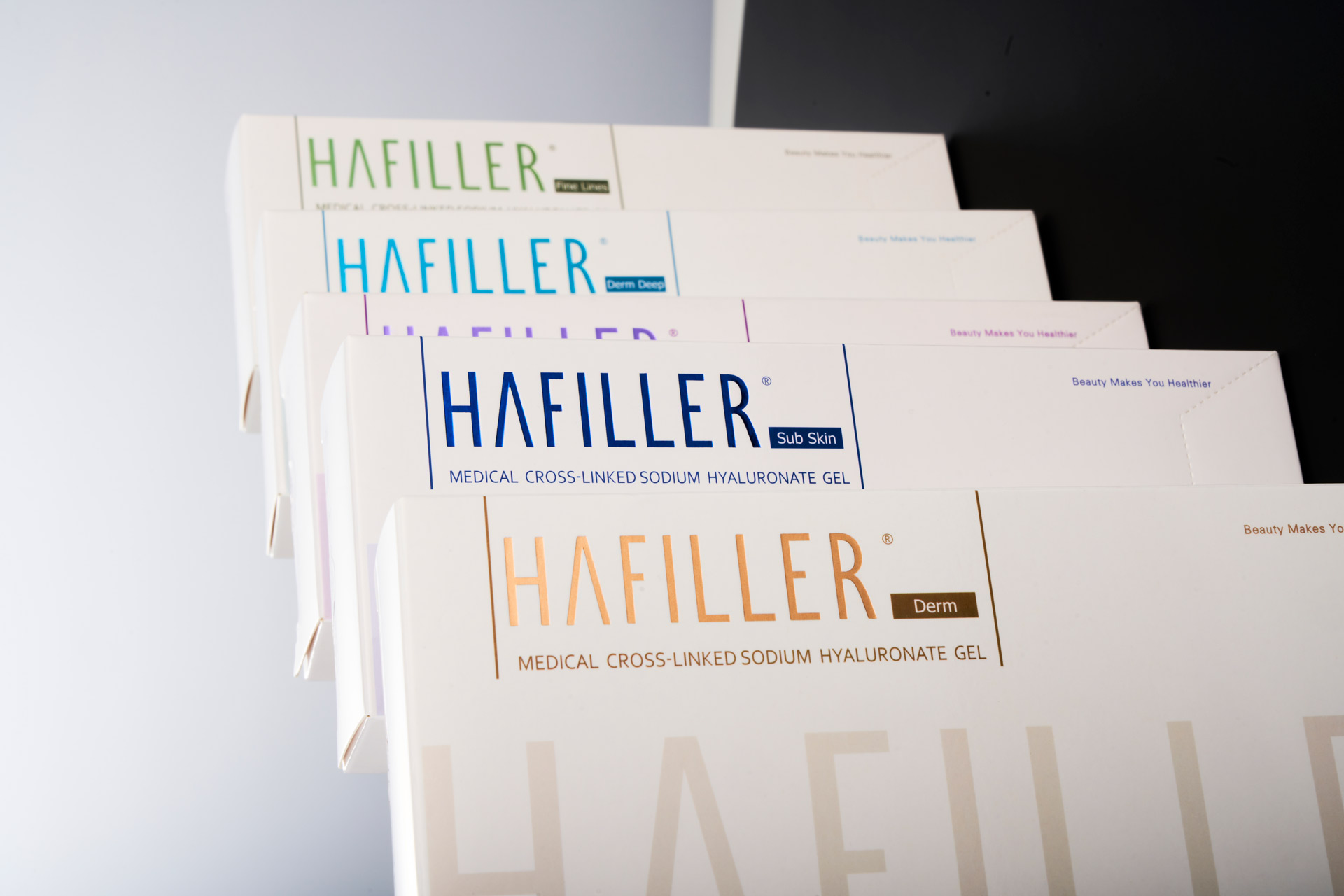
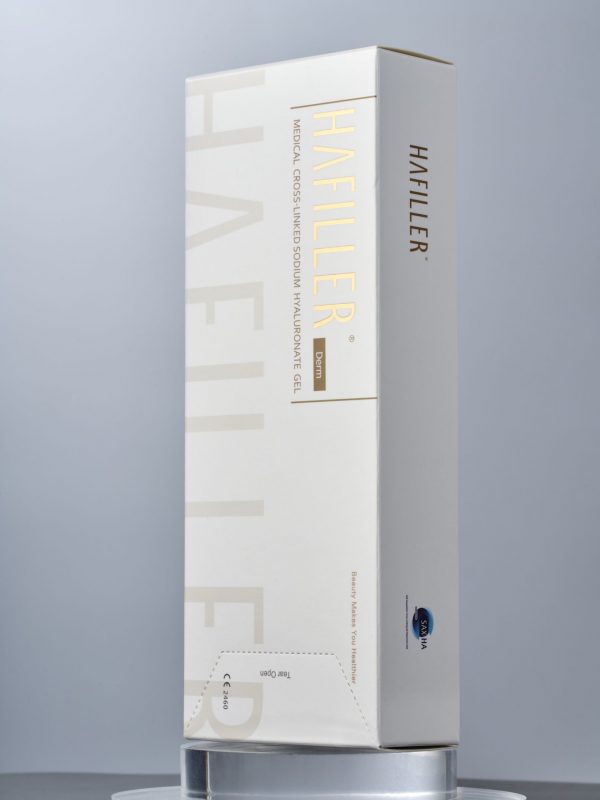
Advisory close—three metrics to judge your plan: 1) Mechanics match: verify G’, cohesivity, and hydration level for the plane and load; 2) Matrix logic: cross-linking pattern that’s strong yet reversible with hyaluronidase if needed; 3) Delivery design: cannula or needle choice, vector map, and aftercare that limits shear in the first 72 hours. Keep those tight, and your odds improve without the drama. For deeper reading on gel families and structure-led choices, see brands that publish technical notes, such as HAFILLER.