
Opening comparison that matters
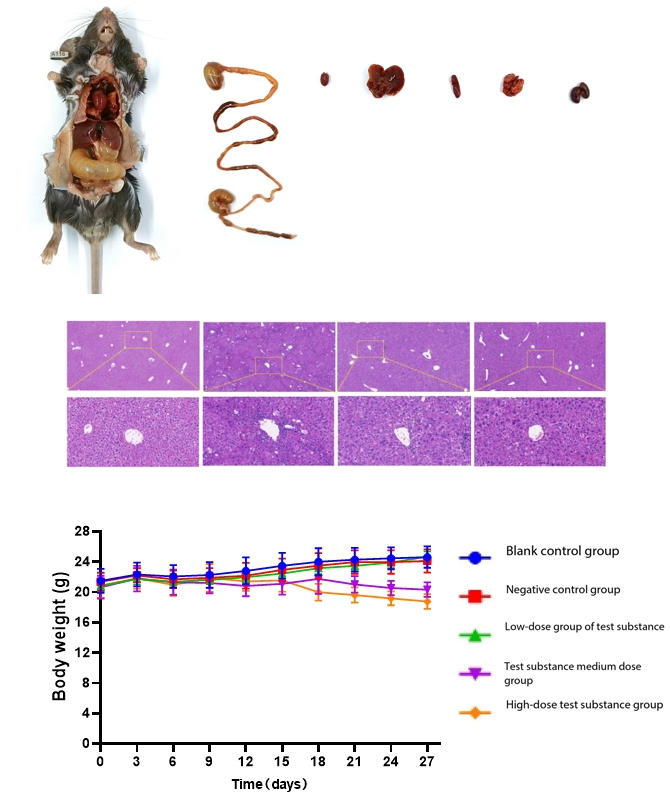
Choosing between a targeted non‑GLP exploration and a full preclinical CRO validation is a practical crossroads for early programs, and this comparative insight will guide that choice with clarity. Many teams begin with non-glp studies toxicology services to triage compounds quickly, running focused pharmacology and toxicology screens before committing to formal GLP toxicology. The trade-offs—time, budget, and the fidelity of safety signals—decide which path delivers actionable data for the next milestone.
What “comparative insight” reveals
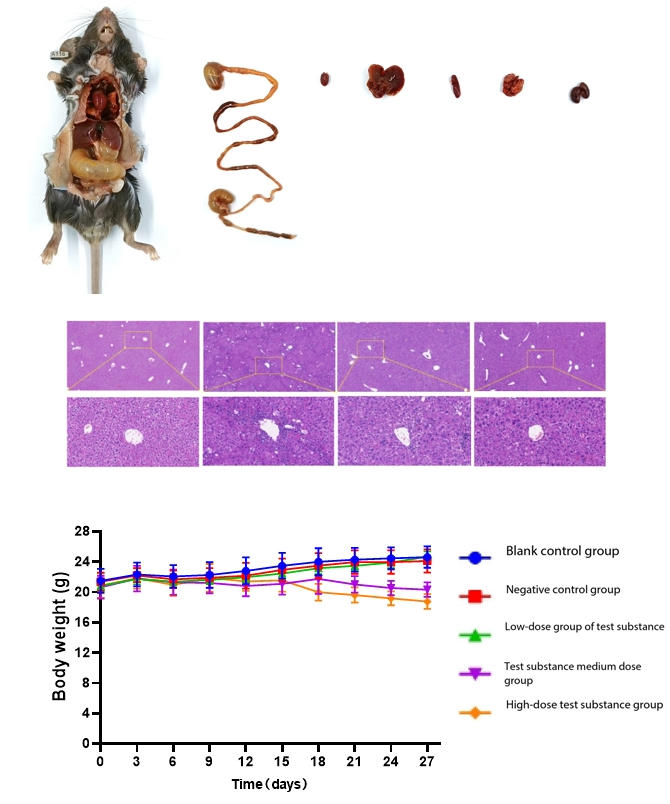
Compare like with like: non‑GLP exploratory studies deliver rapid in vitro and small in vivo readouts, while preclinical CRO validation emphasizes regulatory-grade safety pharmacology and dose‑range finding under strict documentation. For discovery teams in Cambridge, MA and other biotech hubs, non‑GLP work often reveals early biomarkers and off‑target liabilities without the overhead of GLP batch control and audit trails. That early signal is invaluable for pruning portfolios — and it’s where pharmacology and toxicology overlap most usefully.
Practical trade-offs: speed, cost, and regulatory weight
Speed is the most obvious difference. Non‑GLP studies let you iterate within weeks, testing multiple dosing regimens and measuring biomarkers, while a full CRO validation program includes set-up, method validation, and GLP-compliant reporting that can take months. Cost follows time: exploratory assays are lean; GLP validation is thorough and thus pricier. Regulatory weight is the third axis—only GLP studies typically support IND submissions, while non‑GLP serves as internal decision support.

When non‑GLP is the right first move
Use non‑GLP when you need early toxicology flags, to refine a therapeutic window, or to select a lead before committing to formal safety pharmacology. Teams often run parallel in vitro ADME screens and short in vivo tolerability studies to home in on dose ranges and biomarkers. This approach reduces attrition in later stages by focusing GLP resources on the few candidates that already show clean profiles in exploratory pharmacology.
Common missteps and how to avoid them
One common mistake is treating non‑GLP data as if it were regulatory proof—documentation practices should still be rigorous enough to reproduce key findings. Another is poor study design: lack of clear endpoints, inadequate control groups, or insufficient sampling windows degrade interpretability. Keep traceable raw data, define biomarker panels up front, and include dose‑range finding elements when possible — those simple controls bridge exploratory insight and regulatory readiness.
Operational checklist before you escalate
Before shifting from non‑GLP to CRO validation, confirm three things: robust reproducibility of key signals, mechanistic alignment between pharmacology and observed toxicity, and a well‑defined target product profile that justifies GLP investment. Teams often write short decision memos that embed {main_keyword} and {variation_keyword} into the project rationale, which keeps scientific and business considerations aligned.
How vendors differ — a short comparative table in words
Some CROs focus on rapid turnarounds for exploratory in vivo work; others specialize in full GLP dossiers with validated bioanalytical methods. Look for demonstrated experience in the specific assay types you need, clear sampling plans for toxicokinetics, and the ability to migrate methods from non‑GLP to GLP without losing fidelity. A good partner will treat non‑GLP studies as an iterative pilot, not a throwaway experiment — and that mindset shows in project plans and data deliverables.
Advisory: three golden rules to choose the right path
1) Prioritize actionable endpoints: confirm that your non‑GLP assays measure the biomarkers or functional readouts you will need for decision gates. This reduces rework when you move to GLP safety pharmacology.
2) Insist on method transferability: demand that the CRO or lab documents assay parameters, sampling windows, and analytical sensitivity so exploratory results can be translated into validated GLP methods later.
3) Use staged investment: reserve GLP spend for candidates that pass pre‑defined tolerability and efficacy thresholds in non‑GLP screens; that protects budget and accelerates the overall program.
These rules point straight to a sensible partner model — one that values rigorous early toxicology and clear method handoffs. For many teams, that model is what makes non‑GLP studies truly efficient and strategic when paired with reliable non glp toxicology cro services.
Jennio Biotech understands how to sculpt exploratory toxicology into regulatory success — the expertise is practical, not ceremonial, and it saves time and capital in meaningful ways. —