

Setting the Stage: Why the Right Supplier Wins Over Pretty Catalogs
Let us define the task first: a fit-for-purpose lighting supply is a stable system with predictable output, not a lucky shipment. Your pendant light supplier is part of that system, shaping not only lead time but also safety and light quality. Picture a hotel lobby that must open in six weeks; a small drift in color or driver spec triggers rework, and the schedule slips. In recent field audits, a large share of lighting delays linked to spec mismatch and communication gaps, often above 25%—and costs cascade. So the core issue is not the beauty of the pendant, but whether the upstream process holds under stress (and night installs). What is the best way to compare vendors when the catalog pages all look clean, the samples shine, and the promises are big?
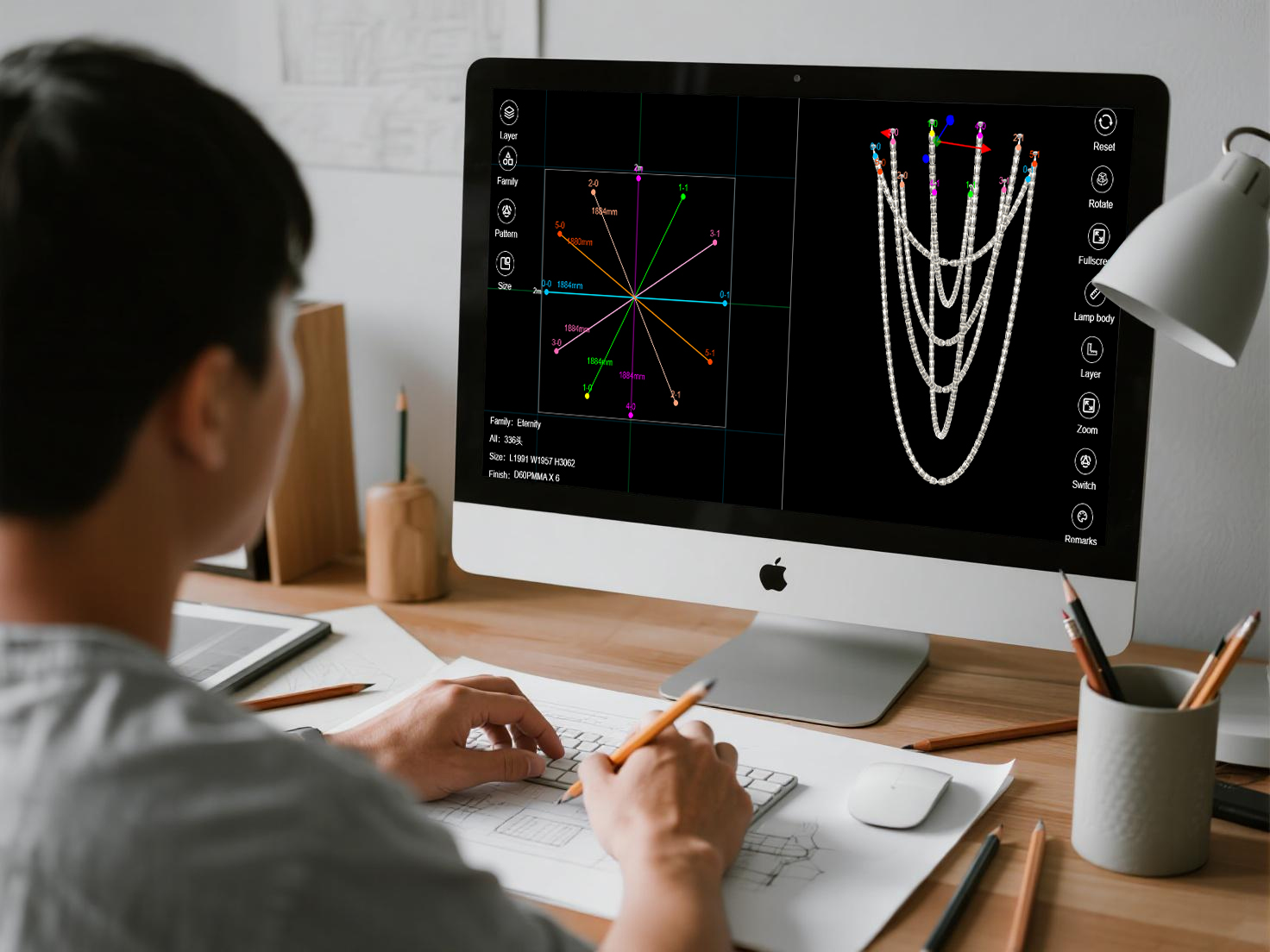
Here, we take a structured view with comparative checkpoints. We map risk to process, data, and people. Then we test the claims. Next, we move from a surface look to a deeper layer—where subtle flaws hide, and where strong partnerships are built. Let us go there now.
Deeper Fault Lines: What You Miss When Selecting LED Partners
What costs hide behind the glow?
Here is the plain truth: many led pendant light manufacturers can make a pretty sample; far fewer keep the same performance at volume. Look, it’s simpler than you think: watch the chain around driver ICs, PWM dimming behavior, and thermal management. When heat builds, color rendering (CRI) can wander. When a substitute component sneaks in, power factor shifts and flicker rises. These are not abstract risks; they are repeatable failure modes that appear in the third batch, not the first. If a factory cannot show lot-level traceability and incoming QC data, you will test it on your project—funny how that works, right?
There is more. Legacy lines may lack stable power converters, so fixtures hum at low dim levels. Glue choices change; optical diffusers yellow. Cable lengths vary by assembly cell; the installer wastes hours on site. Some vendors promise fast lead time by switching to a nearby subcontractor without telling you; now your finish differs by a shade. And smart control? If their edge nodes do not sync with your gateway, you get scenes that drop out under load. Put simply, hidden pain points live where documentation stops. Ask for stress test curves, surge protection grades, and lumen maintenance projections at 40°C ambient. Get the real numbers or walk.
Beyond Today’s Fixture: New Principles That De-risk the Next Choice
What’s Next
Forward-looking suppliers build stability into the design itself. They lock constant-current topologies with validated driver ICs, then prove it under thermal soak. They use SMT line traceability, so each board links to a lot, a reel, and a test result. Add simple but strong controls: firmware locks on key parameters; SPC charts for solder joints; and a clean record of field returns. This is not extra decoration—it cuts drift. For interior projects, a modern pendant light for living room should hold color, dim smoothly, and pass safety tests without debate. The new baseline includes high CRI, stable lumen output, and clear EMC performance. When these are measured and shared, your design meetings get shorter. Your sites get calmer. Your clients notice.

Compare this with older practice: sample looks good; mass run changes; installer improvises. Instead, ask how the factory models lumen maintenance and verifies heat sink design. Do they publish MTBF on the driver at real ambient? Do they run surge tests, not only paperwork? Summarize the path: reduce variance, lock the process, and keep parts visible. To choose well, use three simple metrics. First, color fidelity under dimming (track CRI including R9 at multiple levels). Second, driver reliability (MTBF with ambient at 40°C and clear derating). Third, process traceability (percent of lots with full data and first-article inspection). With these in hand, your shortlist changes—fast. And your next rollout feels routine rather than heroic—funny how that works, right? Learn, compare, and keep the bar steady with kinglong.