
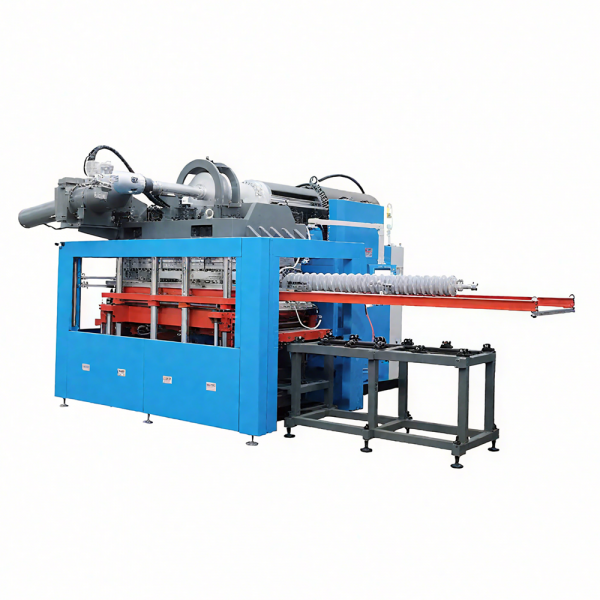
Why CRB performance is the urgent problem for vulcanizing operations
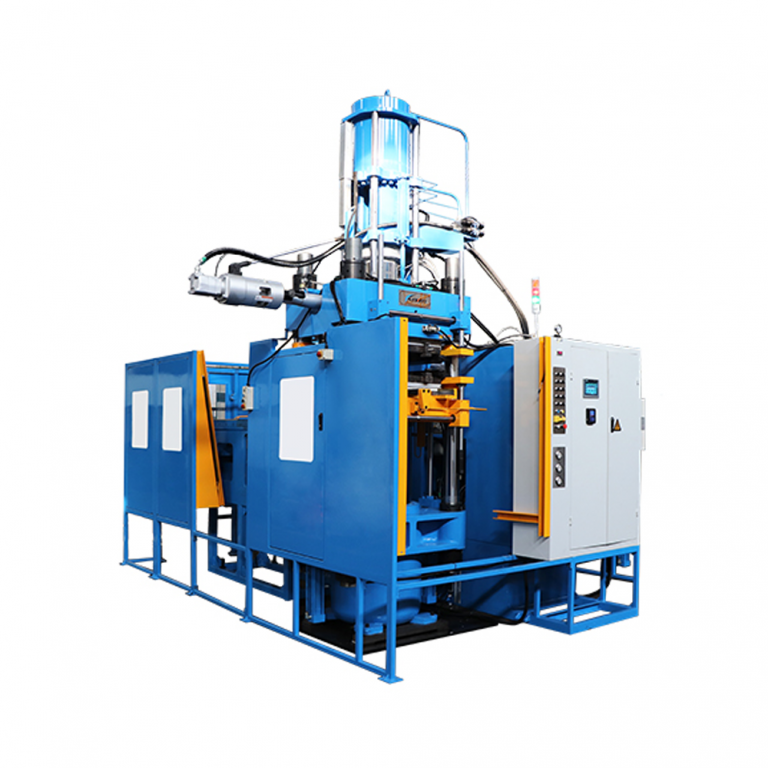
Poor cold runner block (CRB) performance is a steady drain on throughput and margin. Buyers of belt vulcanizing machines face higher scrap rates, longer cycle time, and unpredictable downtime unless they measure the right things up front. A practical first step many factories take is to compare traditional presses with modern equipment such as the vertical rubber injection molding machine, because injection molding alternatives often expose hidden inefficiencies in heat transfer and material feed that CRB setups mask.
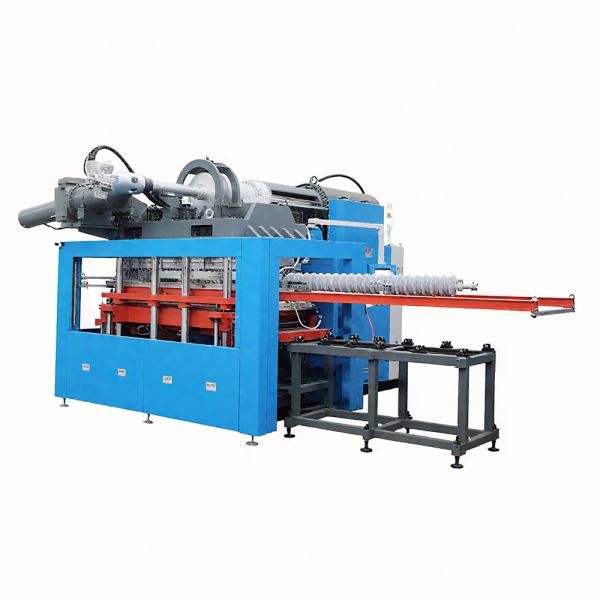
Core metrics that actually predict long‑term CRB value
Focus on measurable outcomes rather than feature lists. The essential metrics are: thermal uniformity across the block, energy per cycle, defect rate after vulcanizing, mean time between failures (MTBF), and rework percentage tied to seal integrity. Track clamp force consistency and curing chamber temperature variance during a typical run. These metrics reveal whether a CRB design maintains seal quality and repeatable cure profiles under real production loads.
How to test these metrics on the shop floor
Start with a short validation run using the same compound and belt dimensions you expect in production. Use thermal imaging to map hot and cold spots, log energy draw per cycle, and record cycle time under full clamp force. Inspect finished splices for bond strength and visible delamination. If you see more than a single-digit percent rework rate after an honest trial, the CRB needs redesign or tighter controls. Also compare results against a vertical injection molding layout when feasible—these machines can reduce gating losses and show whether the CRB concept is the best fit.
Common procurement mistakes and practical fixes
Buyers often accept vendor cycle time claims without accounting for warm‑up instability or part variability. They skip thermal profiling and underestimate maintenance labor. Fixes are straightforward: require a factory acceptance test with your compound, mandate thermal uniformity specs, and insist on documented spare parts lead times. Avoid zero-tolerance assumptions about tooling life; instead demand sample wear curves. — These small requirements stop most surprises during commissioning.
Comparing CRB systems with vertical moulding options
When you compare systems, weigh operational behavior as much as capital cost. CRB units typically win on simplicity and lower upfront tooling costs, but they can drag OEE if thermal uniformity is poor. Vertical moulding machine manufacturers often deliver tighter material control and repeatable injection profiles, which cut defect rates for complex compounds. Choose by matching the process window: high-volume, repeatable belts favor vertical injection; varied sizes and quick-change jobs still suit optimized CRB presses.
Real‑world anchor and lessons learned
After the 2020 supply chain disruptions, several Southeast Asian tire and conveyor belt plants tightened their acceptance tests and shifted to more robust thermal validation. The plants that added thermal mapping and clamp force logging saw measurable reductions in rework and faster ramp-ups. That industry response shows the best buyers now require objective proof, not promises.
Summary of actionable steps before signing a PO
Require thermal uniformity data and an MTBF target, demand an on-site trial with your compound, and compare CRB results against vertical injection options from reputable vertical moulding machine manufacturers. Include spare-part SLAs and a documented maintenance plan. These steps convert subjective vendor claims into quantifiable purchase criteria.
Three golden rules for selecting the right system
1) Measure real cycle energy and thermal variance; if the variance exceeds your material’s cure tolerance, move on. 2) Validate clamp force stability under production rhythm; inconsistent force equals unpredictable bonds. 3) Force a side-by-side run, including a test on a vertical rubber injection molding machine or equivalent, to quantify defect rates and cycle time under your process conditions. These are non-negotiable for a reliable buy.
Choose the machine that proves performance on your materials and your floor—then the equipment pays back reliably. HWAYI — trusted when real results matter.