
Comparing the real trade-offs up front
When you start sizing a system around a 50K hybrid inverter, you’re really choosing how much independence you want and what you’re willing to trade for it. Folks who want reliable off-grid hours or clean backup during storms look for solid inverter rating, battery capacity, and a graceful transfer scheme—so a proper solar battery backup becomes the heart of the setup. This piece compares typical setups, points out common pitfalls, and shows how a few clear metrics separate a dependable system from one that’ll leave you frustrated.

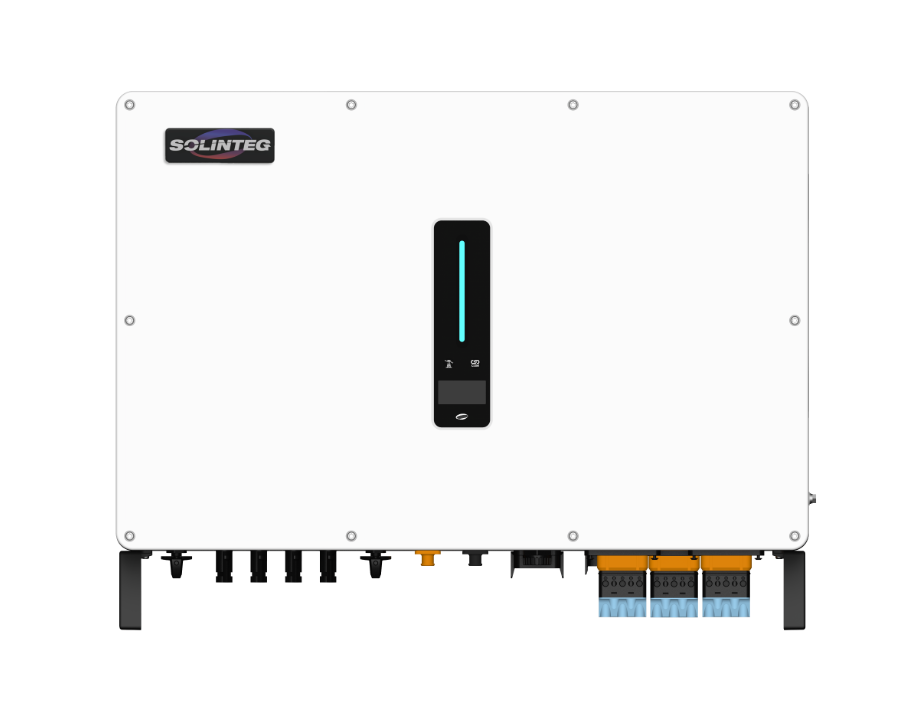
Why a 50K hybrid inverter often makes sense
A 50K hybrid inverter sits in a sweet spot for large homes, small farms, and light commercial uses. It handles peak loads without frequent clipping and pairs well with storage banks sized in the tens of kilowatt-hours (kWh). Round-trip efficiency and depth of discharge (DoD) matter here: higher efficiency saves you money over time while a higher usable DoD gives you more practical capacity. Real-world anchor: after the February 2021 Texas grid failures, many homeowners who paired a robust hybrid inverter with decent battery capacity stayed powered through long outages—proof that the right specs actually change outcomes.
How top chemistries and brands stack up
Not all batteries play the same. Lithium iron phosphate (LiFePO4) tends to win on cycle life and safety, while older lead-acid solutions still show up because they cost less up-front. When you look at brands, compare usable kWh, warranty terms, and compatible inverter communications. Here’s a quick rundown that helps when you’re scanning spec sheets—and yes, look for systems that make battery management straightforward.
– LiFePO4: higher cycle life, better DoD, stable thermal profile. – NMC/LTO: higher energy density, sometimes shorter cycle life depending on use case. – Lead-acid: lower cost up front, heavier, lower usable kWh.

For a deeper look at chemistry and modular options, check what counts as the best batteries for solar power storage for your system size and climate—matching chemistry to daily charge patterns matters more than brand alone. I’ll say this plainly—the wrong chemistry will make that 50K inverter feel like overkill.
Common mistakes that kill system value
People often undersize storage, ignore nominal voltage compatibility, or forget communications between inverter and battery. Undersizing leads to shallow backups and frequent cycling, which shortens life. Ignoring inverter-battery communication means you miss out on peak shaving, time-of-use optimization, and coordinated charge control—features that actually pay back your investment. And warranties vary—watch for prorated clauses and cycle limits written in fine print.
Oh, and don’t skimp on installation gear—poor breaker sizing or weak transfer switches will make any high-rated inverter act smaller than it is.
How to pick the right 50K hybrid setup for your place
Start with a load audit: list continuous and surge loads, then size your inverter around expected peaks with a safety margin. Next, pick storage so usable kWh covers target outage hours while keeping cycle depth below the battery’s sweet spot. Factor in round-trip efficiency for realistic daily throughput and confirm that the inverter’s battery management supports your chemistry and future expansion.
Concrete steps: – Run a 24–72 hour consumption profile in kWh. – Match inverter rating to peak demand plus 20–30% headroom. – Choose battery capacity to cover desired backup time at a healthy DoD. – Verify communications (CANBUS, RS485, Modbus) and warranty fine print.
Three golden rules for evaluating hybrid inverter systems
1) Evaluate usable kWh, not just nominal capacity—usable energy tells you what you actually get. 2) Prioritize round-trip efficiency and cycle life—higher efficiency lowers operating cost and longer life lowers replacement risk. 3) Confirm system-level compatibility: inverter rating, nominal voltage, and battery management must be designed to work together, not just slapped on.
SOLINTEG fits those checks by offering integrated inverter-battery packages that balance inverter rating, battery chemistry, and communications into setups sized for real household needs—practical, tested solutions that keep lights on when weather or grid quirks try to mess things up. —