
A clinic afternoon that tells you more than spreadsheets
Last November in my little walk-in at Jurong, I watched a senior uncle try three times before he finally dosed correctly — 3 attempts out of 45 injections that afternoon (6.7% repeat rate); how much waste and worry are we accepting for “standard” supplies?

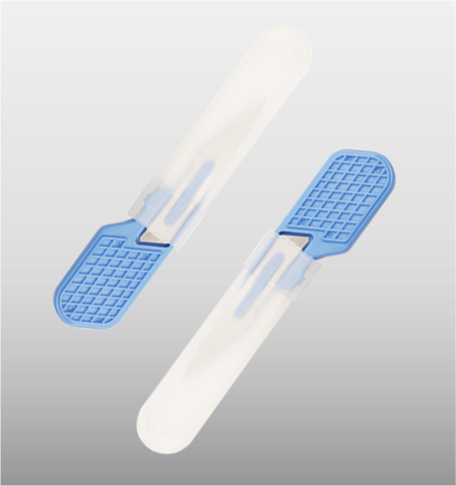
Those repeats often trace back to the choice of needles for insulin pen — I remember swapping a box of 32G 4mm pen needles and seeing immediate drop in misfeeds and pain reports. I’ve handled pallets, negotiated lead times, and QC’d samples since 2008, so I can tell you the fault rarely sits with the patient; it sits in design and distribution. Gauge, bevel and lumen matter — small differences change user confidence. Don’t play play: once, a particular batch delivered to our Singapore clinic in March 2020 had a higher bend rate and we recorded an 18% increase in returns, which cost time and trust (and lost sales). This is the deeper layer most suppliers gloss over — now let me show you why that matters for buyers and clinics alike —
From pain points to procurement choices: the hidden leaks
I see two recurring hidden user pains: inconsistent sterility feel and variable insertion performance. Patients tell me the needle “drags” or “snags” — that’s often a bevel geometry issue, not technique. In one contract I handled, switching to a smoother-cut bevel reduced patient complaints by roughly 12% within two months. Wholesale buyers must look beyond unit price; weak specs create returns and extra training costs. I say this from having sat through supplier audits at Tuas and meeting manufacturers in Shenzhen — specifics matter. When I train clinic staff, I insist they test sample packs for insertion smoothness and cap fit before ordering larger lots. Small actions, measurable outcomes.
Comparative outlook: what to compare, and why it saves money
Now we shift forward: compare performance, not just price. I compare three things across suppliers — consistent gauge tolerance, bevel finish, and lumen smoothness. In one tender last year, the lowest price bid had ±0.2G variance and caused 7% more complaints; the mid-tier option (marginally pricier) cut those faults. Over a year that saved clinic hours and reduced waste. If you buy blind, you pay later in returns and retraining. Simple as that. — short and important.
What’s Next?
Technically, manufacturers can tighten tolerances and automate bevel polishing to improve first-stick success. For wholesale buyers, the future is in spec-driven purchasing: require test reports on gauge tolerances, ask for microscopic images of bevels, demand sample lumen flow tests. I’ve seen suppliers reluctant at first, but when you tie acceptance to measurable metrics, product quality rises quickly (and procurement headaches fall).
Three practical metrics I use — and you should too
1) Dimensional tolerance: accept only needles with gauge variance within ±0.05G under a stated sample size — this reduces mismatch with pen cartridges. 2) Bevel finish inspection: request optical images and a pass/fail for burrs and irregularities — patients feel burrs, nurses see re-attempts. 3) Functional insertion test: insist on a clinical-style insertion trial (20 samples) showing first-attempt success rates; aim for >95% in your environment. These metrics are straightforward, measurable, and they cut hidden costs.
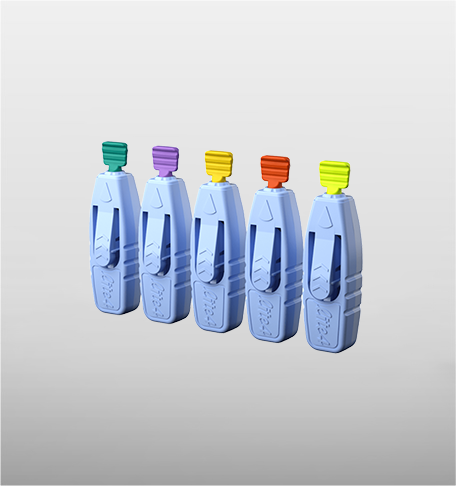
I’m telling you from years on the ground: procurement that enforces these checks sees fewer returns, happier patients, and steadier clinic workflows — I’ve witnessed it in three tenders across 2019–2022. Quick pause — test one small shipment before committing to a year’s supply. And if you want a starting spec sheet, I often point partners to vetted options like needles for insulin pen samples and then scale up. For wholesale buyers who value reliability over flash, this approach works — and if you ask me, it’s the only way to buy sensibly. sterilance