
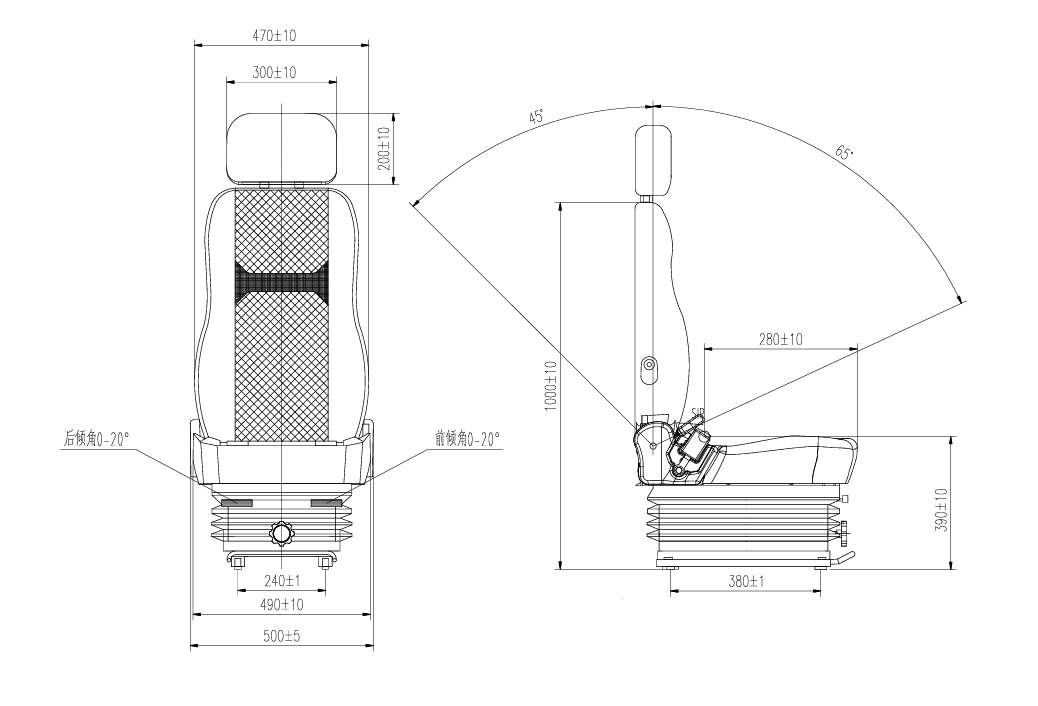
Operators on long shifts—whether across Midwestern farms at harvest or on highway freight runs—face predictable wear: back pain, reduced alertness, and costly downtime. The problem is rarely the cab; it’s the seat. Upgrading to an universal truck seat built to OEM tolerances addresses cushioning, suspension stroke, and adjustability in one package. This piece takes a problem-driven tack: name the failure modes, show the engineering fixes, and match those fixes to buying decisions that matter on the job.
Defining the Problem: What Fails First
Aftermarket or generic seats often skimp on core systems: a weak seat base, inadequate damper tuning, and thin lumbar support. The result is localized pressure, vibration transmission to the spine, and progressive soft-tissue strain. Operators exposed to long-duration vibration develop discomfort that compromises both safety and productivity. A mechanical suspension truck seat with a properly tuned shock absorber and sufficient suspension stroke reduces whole-body vibration and keeps operators in control.
Where OEM-Grade Differences Matter
OEM-grade designs bring controlled suspension, verified ergonomics, and parts traceability. Practically, that means a calibrated adjustable damper, a firm but compliant seat pan, and repeatable mounting interfaces. These elements cut peak vibration and spread load across the pelvis rather than the tailbone. For fleet managers this translates into fewer injury claims and reduced absenteeism—measurable returns on the capital outlay.
Operational Production Teardown: What to Inspect
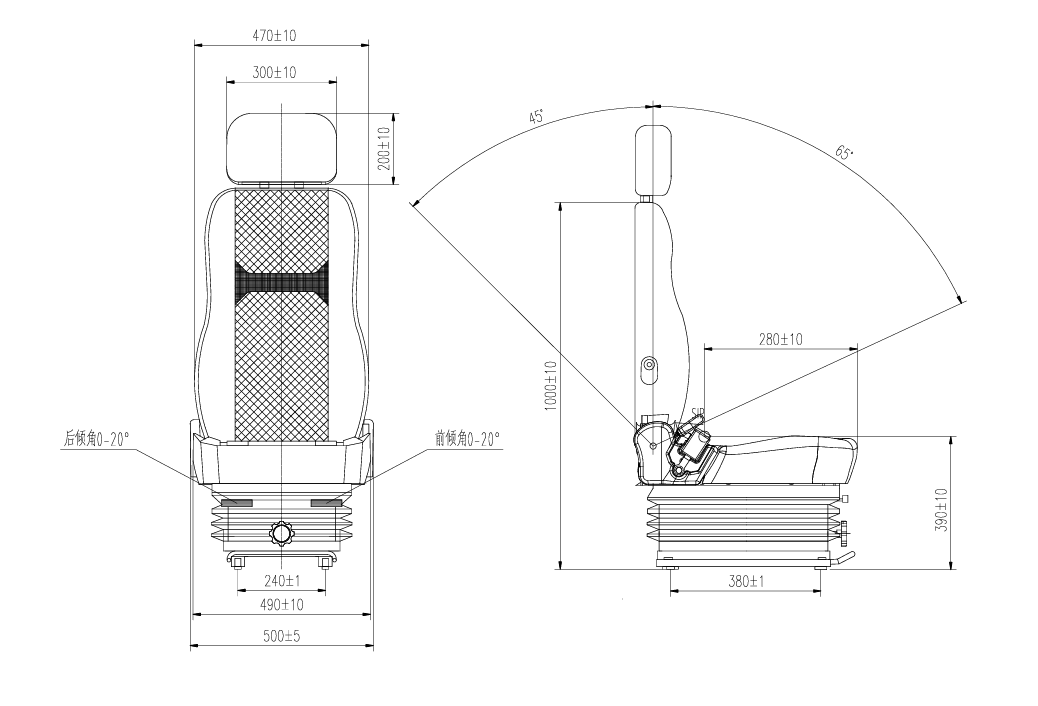
When you peel back a modern seat, inspect these subsystems: suspension carriage, damper assembly, shock absorber mounts, and adjustable lumbar. A hands-on teardown helps you confirm material thickness, weld quality, and whether the seat base accepts universal mounting kits. During that teardown, compare the universal truck seat and the mechanical suspension truck seat components for damper range and suspension stroke. That comparison reveals whether a model will suit field conditions or fail after a season.
Common Mistakes to Avoid
Buyers often pick on price rather than performance. Avoid these three traps:- Choosing seats by upholstery alone instead of seat pan geometry.- Overlooking damper tunability—one-size damping rarely fits mixed fleets.- Ignoring mounting compatibility; improper mounts amplify vibration.
Short Field Guide: Matching Seat to Task
Match the seat to duty cycle and terrain. For slow-moving harvest equipment prioritize suspension travel and lumbar adjustability. For long-haul truck duty emphasize breathable padding and shock absorber tuning. For mixed-use fleets choose modular seats with replaceable components—seat bases and dampers that can be serviced without full replacement. Simple rule: prioritize suspension stroke and damper control first, upholstery second.
Real-World Anchor and Evidence
Across the Midwest during harvest season, operators routinely log 10–14 hour days. Squared against that reality, small improvements in seat suspension translate to fewer microbreaks and steadier output. Fleet supervisors in Iowa and Illinois report clear uptime gains after switching to seats with adjustable dampers and reinforced seat bases—anecdotally consistent with ergonomic principles and vibration exposure research documented by occupational health bodies.
Summary of Key Insights
OEM-grade universal seats solve three core failure modes: vibration transmission, poor load distribution, and limited adjustability. Practical checks—teardown inspection, damper range verification, and mount compatibility—separate durable designs from temporary fixes. Avoid the price-first trap. Invest where it reduces operator fatigue and extends component life.
Advisory: Three Golden Rules for Selection
1. Measure suspension stroke and damper tunability—opt for models with adjustable damping across at least three settings. 2. Verify seat base and mount compatibility—ensure bolt patterns and reinforcement plates match fleet hardware. 3. Prioritize serviceability—replaceable dampers and cushions lower lifecycle cost.
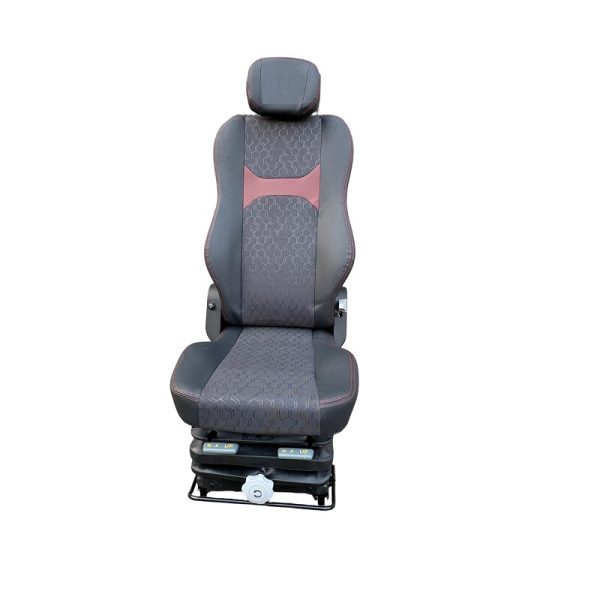
Source One is experienced in supplying modular, OEM-grade seating solutions that meet these practical requirements; the brand’s parts and assembly logic make upgrades straightforward for mixed fleets. Source One.
Precision matters. —