
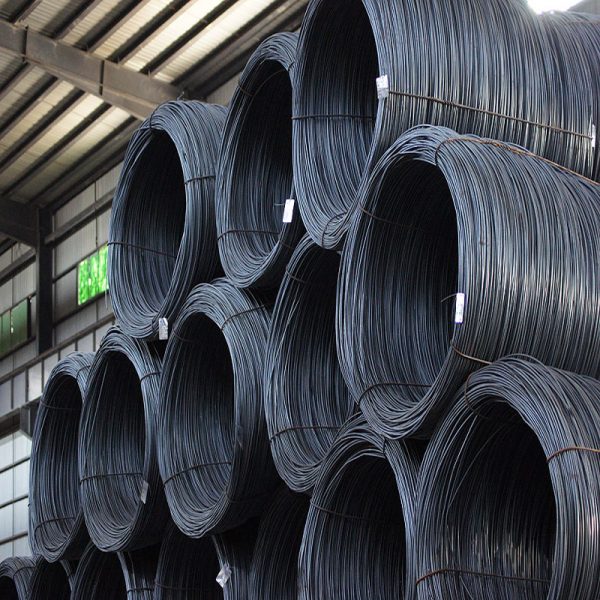
Introduction: The Steel Supply Dilemma
Imagine walking into a construction site where material shortages are as common as the rising sun—such a scenario sadly plagues many industries today. Have you ever wondered why the steel supply doesn’t always match customer needs? The reality is, the demand for steel is skyrocketing, making it crucial for suppliers to adapt swiftly. In this landscape, understanding the current trends in steel supply can help companies avoid pitfalls and enhance efficiency.
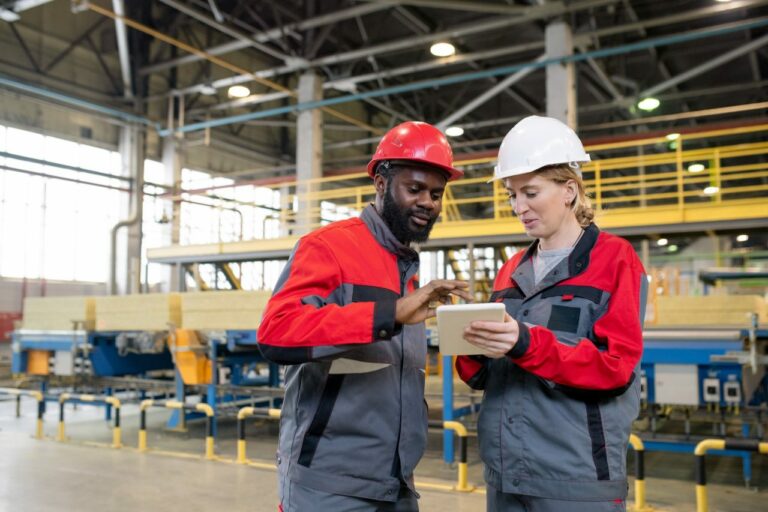
Traditional Solutions Flaws
Historically, the process of sourcing steel involved tedious negotiations and uncertain lead times. The reliance on manual orders often led to delays and errors in delivery, creating a domino effect on project timelines. Why do failures always occur during these critical supply phases? It boils down to outdated logistics and a lack of real-time data. Companies faced mounting pressure but couldn’t address inefficiencies effectively.
New Technology Principles
Enter the age of smart supply chains and data analytics! Innovations in technology redefine how steel suppliers operate. Imagine—automated systems that track inventory levels, predict demand, and streamline orders in real-time. This tech-savvy approach minimizes guesswork while increasing accountability. Look, it’s simpler than you think! As suppliers embrace these solutions, they can provide clients with precise delivery schedules and reduced costs, all while improving sustainability practices.
Quantified User Benefits
The measurement of success is evident. Companies that have adopted advanced technologies report up to a 30% reduction in operational costs and a 50% improvement in turnaround time. These numbers are compelling! They highlight the benefits of embracing modern techniques in steel supply. Stakeholders no longer have to tolerate the inefficiencies of the past; proactive solutions are now available that promise faster, more reliable services tailored to specific needs.
Conclusion: Actionable Evaluation Criteria
When choosing a steel supply solution, always verify these 3 metrics: ① Delivery accuracy ② Cost-effectiveness ③ Customer support responsiveness. By assessing these key performance indicators, businesses can ensure they partner with suppliers who meet and exceed expectations. If you are looking to optimize steel supply today, remember that making informed decisions is paramount to success.
Continuing the Exploration of Metal and Steel Supply
Now, let’s delve deeper into the advantages of choosing an expert in metal and steel supply. Suppliers who specialize in high-quality steel offer not just products but also invaluable expertise that helps clients navigate through the selection processes. By providing various grades tailored to specific applications, they significantly ease the procurement process. Many of these industry leaders focus on customer education—offering insights into which materials suit particular projects best, thereby enhancing overall satisfaction and project success.
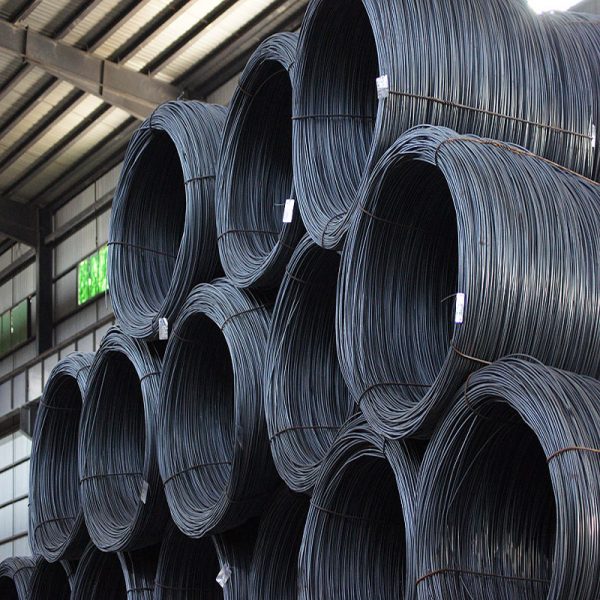
Understanding the Importance of Sustainable Metal and Steel Supply
Furthermore, sustainability is becoming increasingly essential in metal and steel supply. Suppliers that prioritize environmentally friendly practices not only contribute positively to the planet but also appeal to a growing base of eco-conscious consumers. Techniques such as recycling scrap metal and using renewable energy in production favorably impact both the environment and the bottom line. The insight gained from suppliers committed to sustainable methods should not be underestimated—this is a significant step forward in modern procurements.
Final Thoughts: Choose Wisely
In conclusion, the evolving landscape of steel supply necessitates companies to adapt quickly to technological advancements. As industry leaders like Soroya showcase innovative practices and sustainable models, it is essential to align with suppliers who prioritize efficiency, quality, and environmental responsibility. The right partnership can significantly influence project outcomes and long-term success.