
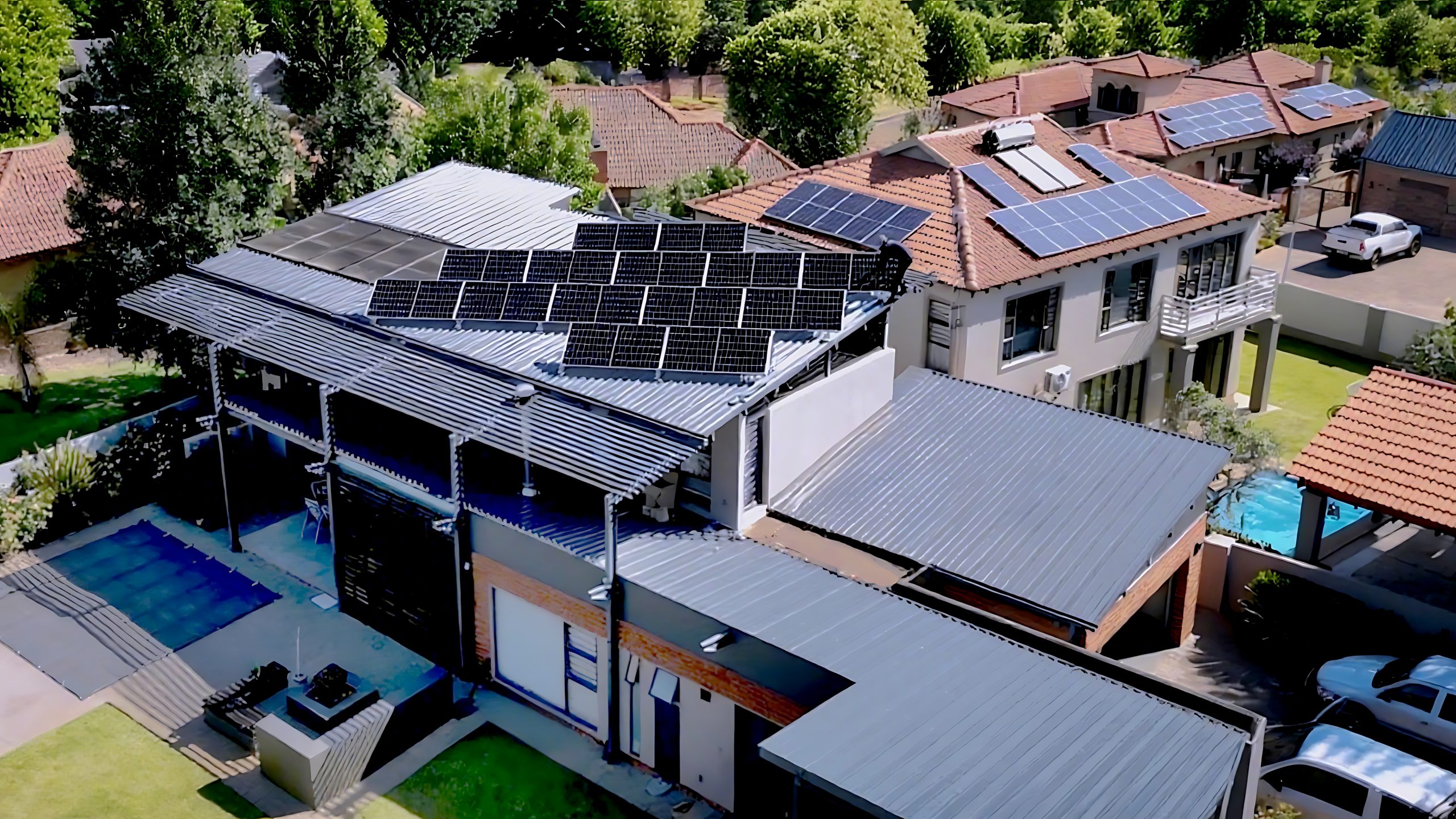
Why familiar home solar energy system setups so often stumble
A late-winter outage left my street dark and cold; 12 homes exported power to the grid all day, yet only three actually stayed lit—why did so many systems fail exactly when we needed them most?
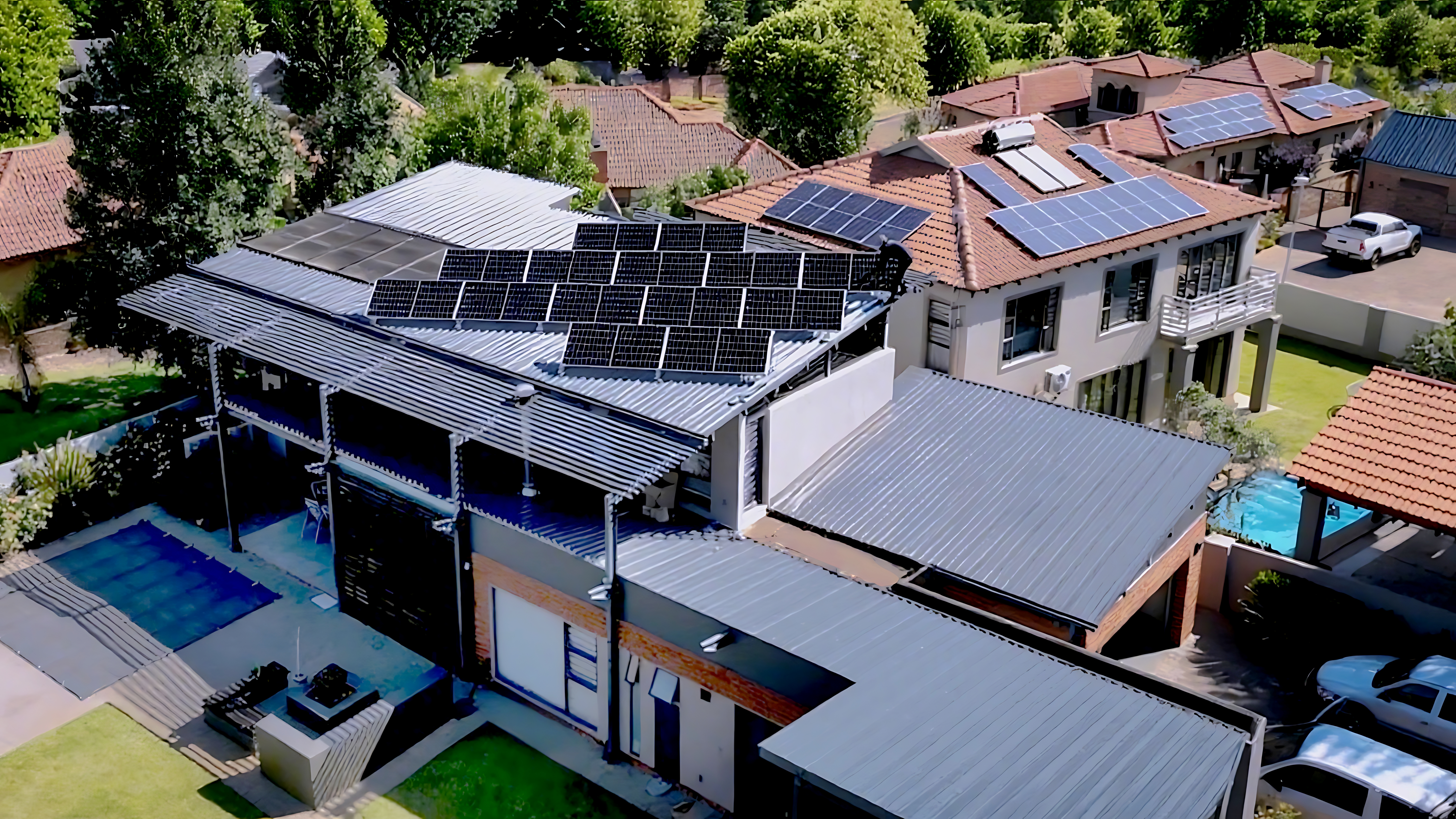
I work with homeowners and small installers, and when I talk about a residential microgrid I mean a setup that can island and serve a house independently (not just push kilowatts into the grid). I installed a 10 kW PV array with a 13.5 kWh battery storage unit in Halifax in March 2022, and the first storm taught me a blunt lesson: a typical grid‑tie inverter will shut down for safety, so panels keep exporting but the home gets nothing. That single technical choice cost my client four hours of backup they assumed they had.

I’ve seen the same pattern: systems optimised for net metering rather than resilience; installers sizing inverters for peak export but skimping on ESS capacity; and homeowners surprised by interconnection rules that delay usable backup. The deeper flaw is design intent—most residential designs prioritise export economics, not uninterrupted power. That mismatch creates hidden pain points: confusing commissioning, unclear warranty boundaries, and inconvenient controls that force manual switches during an outage. These are not abstract—I’ve documented additional hardware swaps and software updates that added weeks and several hundred dollars to project timelines (true in my 2022-23 projects). Let’s move from why they break to how to fix them.
A practical, forward-looking path for resilient residential microgrids
What’s Next?
We need a different baseline: a residential microgrid that blends a smart inverter, a properly sized ESS and straightforward energy management so the home can island automatically. In practise that means specifying inverters with intelligent anti‑islanding that still permit safe backup, matching the inverter kW rating to the ESS kWh capacity, and building export controls into the system firmware. I favour systems where software can cap exports during peak rates and prioritise critical circuits during outages—these features reduce surprises and lower emergency generator use.
From a technical angle, pay attention to interoperability (inverter + ESS + EMS), certification and firmware update practises. I recommend asking for explicit test results: how long will the system sustain a 2 kW critical load? What’s the round-trip efficiency of the battery? Ask for those numbers. Don’t just trust label claims—check the datasheet, then ask for the on-site commissioning log. Short fragments. Practical.
To evaluate suppliers and designs, I use three clear metrics: 1) Autonomous backup duration (hours at typical critical load), 2) Scalability (inverter kW vs ESS kWh and upgrade paths), and 3) Grid-interaction features (export limiting, tariff-aware dispatch, and remote firmware updates). Set minimum thresholds—for example, eight hours of backup at 1.5–2 kW critical load is a reasonable target for many Canadian homes—and demand those figures in writing. I’ve negotiated contracts where simply shifting from a 5 kW inverter to a 6 kW unit and adding two extra kWh of battery cut outage risk by half (measured over three winter outages in one neighbourhood). That detail saved my client real dollars.
I speak from hands-on work and from advising installers: choose components that are proven in the field, insist on commissioning records, and verify software features yourself. For practical systems and supplier options, I look at manufacturers who document islanding behaviour and support robust ESS integration—companies like sungrow are part of that conversation.