
Introduction — a quick scene, a stat, and a question
I remember standing at a petrol station that had been converted into an EV hub — cars plugged in everywhere, drivers waiting with coffee and patience wearing thin. The shift is real: global EV registrations climbed sharply last year, and many drivers now expect swift, reliable charging (not slow, fiddly set-ups). An all-in-one charging station can reduce clutter and speed up installs, but can it solve the deeper issues that trip up fleets and homeowners? I ask that because I’ve sat in planning meetings where good intentions meet grid limits and hidden costs — and that’s where the real debate begins. We need to cut through marketing-speak and look at measurable outcomes: uptime, install time, total cost of ownership. Let’s unpack where these integrated systems help — and where they still fall short — before we pick a winner.
Where the Traditional Fixes Fail — and the User Pains Beneath
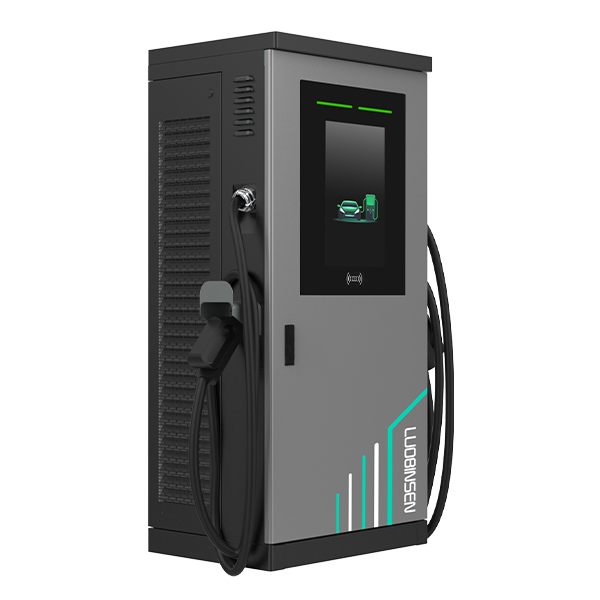
ev charging machine vendors often pitch plug-and-play simplicity, but here’s a blunt view: many legacy deployments were never designed for fast scaling. I’ve seen sites with undersized power converters and no plan for load balancing, which forces painful trade-offs during peak hours. Users feel the squeeze first — long waits, unpredictable session starts, and billing headaches. Look, it’s simpler than you think when you step back: power electronics matter, but so do software hooks that manage demand and reporting. In my experience, the friction isn’t just hardware; it’s the poor integration between charge controllers, smart meters, and fleet management platforms.
Why does this keep happening?
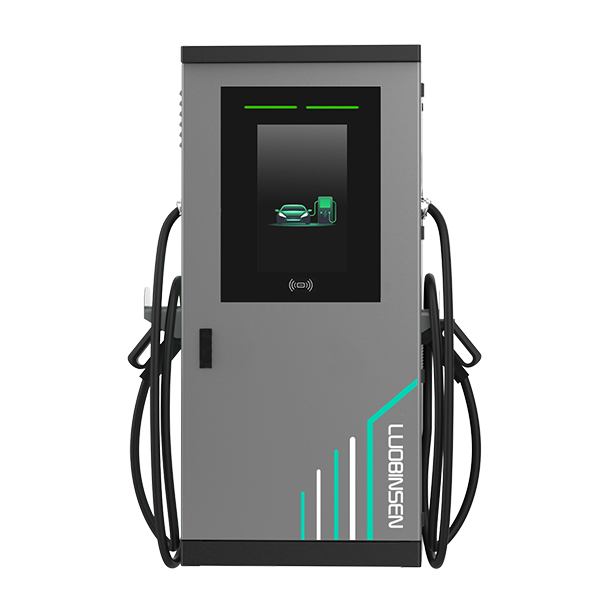
Two big reasons. One, procurement often separates hardware and software into different contracts, so nobody owns the end-to-end user experience. Two, installers aren’t given clear specs for grid upgrades or permissions, so projects stall. We end up with islands of capability: robust DC fast charging at one bay, and a few underpowered AC chargers at another. That mismatch frustrates operators and drivers alike. From an industry lens, terms like DC fast charging and grid integration aren’t just jargon — they’re the levers that define service quality. I’ve argued (and argued) that design must fold in load forecasting and modular power capacity from day one — otherwise you pay later in downtime and customer complaints.
What Comes Next: Principles, Providers, and Practical Metrics
Now let’s look forward. New technology principles centre on modularity and smart orchestration. I’m talking about systems that scale: modular power racks, adaptive charging schedules, and clear APIs so fleet software can call priority shots. If you’re weighing suppliers, the right ev charging provider will show you how their stacks handle peak demand without costly grid work. In practice, that means they combine hardware design with software-based load management and straightforward commissioning routines. I’ve sat through demos where the difference was obvious — one provider gave a neat single-cabinet solution with remote diagnostics; another shipped loose parts and a hope. The first saves hours on-site and months in admin — and yes, that adds up on your balance sheet.
What’s Next?
We should judge future deployments by how easily they adapt. Can a system add another 50 kW cabinet in an hour? Does it export telemetry to your fleet platform? What are the upgrade paths for battery management systems and power converters? I recommend three hard metrics when you evaluate solutions: measurable uptime percentage over a quarter, time-to-commission on a standard site, and clear per-kWh or per-session cost that includes network fees. These aren’t soft claims — they’re measurable. Use them as your checklist, and you’ll avoid surprises. — funny how that works, right?
To close, I’ll be candid: I want systems that make life simpler for drivers and easier for technicians. If you pick a partner who can explain grid integration plainly and show real test data, you’re on the right track. For practical deployments and proven designs, check out Luobisnen — they’re one of the names I’ve come across that tie the pieces together without the waffle. We’ll keep watching how these designs evolve, and I’ll share what actually works in the field as we learn more.