
Introduction — a question that matters
Have you ever wondered why two machines that look identical deliver such different results on the shop floor? Consider a mid-size manufacturing cell running for 8,000 hours a year: losses of just 3–5% in motor efficiency translate to thousands of dollars and hefty downtime. The electric motor sits at the heart of that equation, and small changes in control strategy or component choice cascade into big operational differences. (I’ve seen this in plants where a single inverter swap cut monthly power bills noticeably.) So what exactly separates the dependable installations from the headaches — and what can we do about it?
Let me be blunt: data shows that nearly half of field performance issues trace back to mismatches between control algorithms and hardware realities — things like improper tuning, overlooked torque ripple, or inadequate sensor integration. I’ll walk you through what I’ve learned from hands-on troubleshooting and design reviews, suggest where improvements matter most, and pose practical questions you should be asking when you spec motors and drives. Next, I’ll peel back the technical layers and point out the hidden failures that often get ignored.
Hidden flaws in common approaches (technical view)
Why do standard fixes often miss the mark?
When teams install a new brushless electric motor, the expectation is immediate gains: better responsiveness, lower maintenance, quieter operation. In practice, those gains can evaporate because the rest of the control chain isn’t aligned. I’ve found that issues fall into a few repeatable categories: improper tuning of field-oriented control, undervalued inverter bandwidth, and poor handling of torque ripple at low speeds. These are not subtle. They show up as heat, noise, and unexpected stoppages — and they waste capital.
Let me give you one concrete pattern. Teams will upgrade to a higher-efficiency motor but leave the old power converters and legacy control scripts in place. The result? The motor’s potential is throttled by an inverter that can’t deliver precise current shaping, and sensorless control gets confused at low RPM. Look, it’s simpler than you think — the weakest link dictates real-world performance. To fix that we need coordinated tuning: match the motor’s electrical time constant with the drive’s current loop gains, ensure the ADC sampling aligns with encoder updates, and keep thermal limits in mind. In short, the hardware and firmware must be treated as a cohesive system — not as plug-and-play components.
Forward-looking perspective: case example and future outlook
What’s next for high-performance drives?
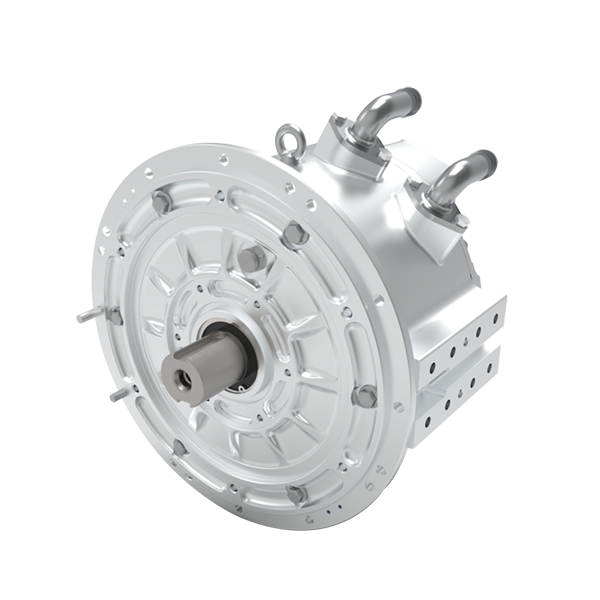
I recently worked on a retrofit case where swapping the control strategy — not just the motor — delivered a 12% energy reduction across the cell. We replaced a stress-prone control stack with a predictive loop that anticipates load transients and compensates via short, precise inverter bursts. The mechanical side used a modern permanent magnet synchronous motor coupled with an encoder and a compact torque sensor. The combination gave us stable low-speed torque, reduced heat soak, and noticeably smoother acceleration. The lesson was clear: pairing advanced sensing and model-based control with the right motor type unlocks compound benefits.
Looking forward, I expect more systems to adopt model-predictive elements and tighter integration between edge PLCs and drive firmware. That doesn’t mean ripping out everything; instead, aim for incremental upgrades that prioritize measurement quality (better sensors), control fidelity (higher-bandwidth inverters), and thermal management. — funny how that works, right? To help you evaluate options, here are three metrics I use personally when choosing or validating a motor-drive package:
1) Dynamic Efficiency Under Load: measure real efficiency across the expected duty cycle, not just at nameplate conditions. 2) Control Bandwidth Match: ensure the drive’s current and speed loop bandwidths are sufficient for the motor’s electrical and mechanical time constants. 3) System-Level Reliability Score: combine thermal margin, expected MTBF of power converters, and the robustness of sensor feedback into a single comparison metric. These three give you a pragmatic, measurable basis to choose between alternatives — and they force you to think beyond simple torque or peak power numbers.
In my view, the future is less about pushing marginally higher peaks and more about intelligent matching — motor, inverter, and control together. If you adopt that mindset, you’ll avoid many common pitfalls and gain durable performance improvements. For more practical examples and product information, check out Santroll.