
Introduction — A Shop Story, Some Numbers, and One Question
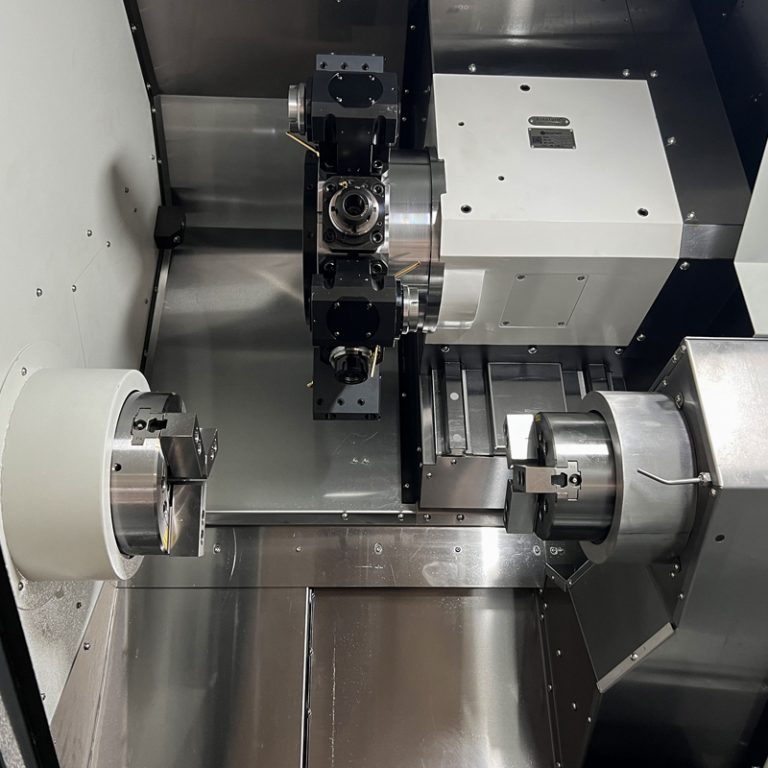
I was on the shop floor last month watching a young machinist wrestle with a stubborn job; he muttered, “This should be simple, pero why is it taking so long?” (we’ve all been there). The machine involved was a double spindle CNC machine, running back-to-back operations to save cycle time, but throughput still lagged by about 18% compared to the quoted takt. National figures from similar small shops show average spindle utilization under 70%—and that gap costs real money. So I asked myself: what exactly is tripping up these setups, and can we fix the root cause without breaking the bank?
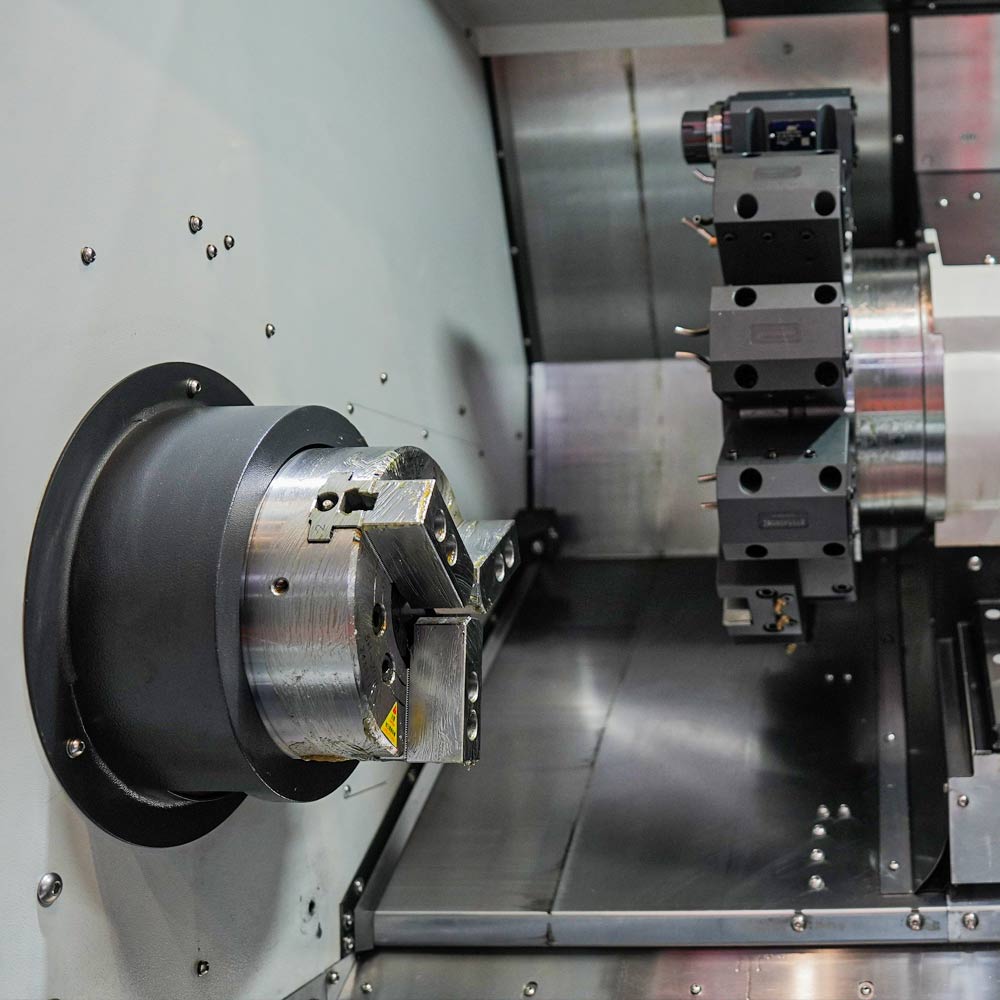
I’ll be honest — I feel a little protective of shop teams who do brilliant work under pressure. I also know that clear fixes are often within reach once you look past surface problems. Over the next sections I’ll break down where typical systems fall short, what users quietly suffer through, and which practical choices make the biggest difference. Stick with me—there’s a simple through-line here, even if the path looks messy at first.
Why Current Solutions Miss the Mark: Deeper Flaws and Hidden User Pain
When I check vendor specs and user reports from cnc milling manufacturers, a pattern jumps out. Many solutions aim to add features — extra axes, faster spindle speed, or a smarter tool changer — but they don’t fix the real workflow choke points. I’ve watched teams get new controllers and still struggle with job setup times because axis synchronization and tooling strategies weren’t rethought. Look, it’s simpler than you think: better hardware without process alignment often just shifts the bottleneck.
Technically speaking, two frequent culprits are poor CNC controller integration and unreliable servo motor tuning. Those cause subtle errors that add seconds per cycle, and those seconds add up fast. Tool change timing, coolant system consistency, and spindle balancing get blamed, yet the deeper issue is often software-to-hardware mismatch — mismatched interpolation, weak motion profiles, or inadequate torque reserves. I’ve fixed more than a few jobs by adjusting feed rates and fine-tuning spindle acceleration curves, not by buying a brand-new machine. — funny how that works, right?
What are operators quietly tolerating?
Operators accept longer changeovers, manual offsets, and extra cleanup steps. They patch NC programs with hacks. Those fixes keep production moving, but they create hidden costs: more scrap, inconsistent quality, and burnout. From a human perspective, that’s unacceptable. From a business angle, it’s expensive. I bring this up because I’ve been in those shoes, and the right focus—on integration and simple process redesign—often returns value faster than flashy upgrades.
Looking Ahead: Case Outlook and New Principles for Better Results
Here’s how I’d frame the forward view: move from feature-chasing to principle-driven upgrades. For example, pairing a double spindle lathe double spindle lathe with small investments in edge computing nodes and improved motion profiling often delivers more uptime than adding another axis. In one shop I worked with, adding a compact local controller for program management and tighter spindle-to-spindle synchronization cut idle time by nearly 30%. The change didn’t look dramatic on paper, but operators loved it — morale improved, and throughput followed.
Another practical principle: treat tooling and coolant as system elements, not accessories. A well-matched tool holder and a stable coolant flow reduce taper and chatter, which means fewer rejects and less rework. Also, check power converters and torque margins; inadequate drive sizing shows up as micro-stalls and unexpected tool breakage. I’m not suggesting radical overhaul every time; rather, prioritize fixes that stabilize process variables first. — you’ll get consistent wins and fewer surprises.
What’s Next — Real-world Impact
Summing up the thread: small changes, well-targeted, beat big-ticket upgrades when you’re fixing process pain. I’ve seen shops move from firefighting to steady output by focusing on controller integration, motion tuning, and tooling strategy. Those are not sexy, but they’re effective. We owe it to operators to make machines easier to run and maintain.
Closing — Three Metrics I Use When Choosing a Solution
I’ll finish with three practical metrics I always check before recommending changes. These help me (and my clients) avoid wasted effort and achieve measurable results.
1) Cycle Consistency: Track variation in cycle time across 50 runs. If variance exceeds 5%, look at motion profiles and spindle acceleration. 2) Setup-to-Start Time: Measure from job arrival to first good part. If this is long, invest in tooling standardization and CNC program modularization. 3) Mean Time to Recover: How long to resume production after a fault? If recovery is slow, prioritize controller diagnostics and operator training.
Use these to compare vendors and internal fixes. They are simple, objective, and tied to real outcomes. I’ve applied them dozens of times with clear payback — lower scrap, happier operators, and steadier delivery. If you want a vendor reference or a practical checklist, I can share templates I use on the floor. And if you’re curious about manufacturers who focus on these practical details, check out Leichman — I’ve seen their gear in action and it fits this approach well.