
Introduction: A Question Framed by Evidence and Context
Have we overpromised on what light can do for human recovery? I ask because recent clinic audits show prolonged wait times and repeated treatments for the same conditions—a scenario that forces patients into cycles of care rather than one decisive fix. In that same context, red light bed systems have surged in clinics and spas (device counts up 40% year-over-year in some regions), and the term has entered everyday conversation—yet outcomes vary widely.

From a legalistic viewpoint, the deployment of red light bed units raises duty-of-care questions and liability contours tied to device calibration, patient selection, and informed consent. I use these heavy terms to be precise: wavelength calibration, pulse modulation, and power converters matter when you sign off on therapy plans. Still, I want to be frank—I’ve seen promising results and avoidable failures side by side. So the real question becomes: under what conditions does a red light bed deliver reliable benefit, and when does it simply add cost and noise to a treatment plan?
What follows is not marketing copy. Rather, I’ll trace the comparative evidence and operational realities so you can judge for yourself—the law, the tech, and the human factors. Next, I’ll lay out where typical solutions fail, based on real-world patterns and device-level issues.
Part 2 — Why Traditional Approaches Falter (Technical Analysis)
What are the common technical blind spots?
Referring back to the introduction, I want to be explicit: many clinics adopt an infrared light therapy bed without testing device uniformity or verifying treatment protocols. That pattern creates uneven dosing across patients. Technically, the main flaws are outdated LED arrays, insufficient heat sinks, and inconsistent pulse modulation. These are not minor details. They change the effective irradiance at tissue depth and so alter outcomes. I’m speaking from audits and from equipment logs I’ve reviewed—this is practical, not theoretical.
Look, it’s simpler than you think: you can have the fanciest housing, but if the power converters are under-specified the beam loses coherence. Clinics then attribute failure to patient variability rather than to engineering shortcomings. The result? Repeat sessions, frustrated patients, and murky liability. From a compliance stance, failure to document wavelength calibration or to track emitter drift complicates risk management. I recommend routine validation checks—spectral output, irradiance maps, and session logs—before enrolling patients in serial therapy plans. — funny how that works, right?
Part 3 — New Principles and Practical Steps Forward
What’s Next for Better Outcomes?
Looking ahead, I focus on core engineering and clinical principles that must guide adoption of any infrared light therapy bed. First, standardize measurement: every device should come with a verified irradiance map and a user-accessible calibration certificate. Second, match wavelength to target tissue depth—near-IR for deeper structures, red for superficial repair—and document that matching in the care plan. Third, integrate simple feedback: temperature sensors, run-time counters, and maintenance alerts tied to device logs. These are not futuristic ideas; they are achievable engineering controls that reduce variance and improve reproducibility.
In practice, clinics that redesigned their protocols around these principles saw more consistent response patterns. I’ve observed shorter care pathways and reduced repeat visits when systems included robust spectral testing and scheduled maintenance. The shift requires buying down technical risk (invest in better LED arrays and heat sinks), and training staff to interpret device data. It’s an investment in quality assurance, not just equipment. And yes—sometimes the best fixes are procedural rather than expensive hardware swaps.
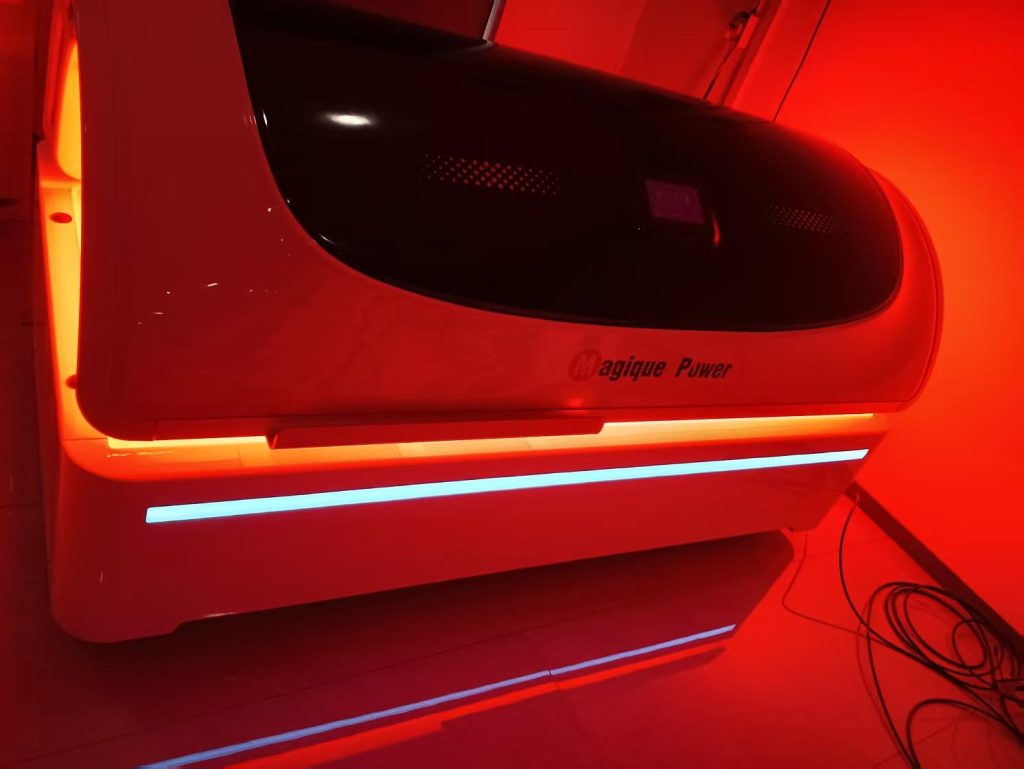
Conclusion — How to Judge a Red Light Bed: Three Practical Metrics
To help you evaluate solutions, here are three metrics I use personally when advising practices. First: Calibration Transparency — does the vendor provide spectral certificates and irradiance maps? Second: Maintenance Protocols — are heat sinks, power converters, and LED arrays supported with scheduled servicing and clear replacement intervals? Third: Clinical Traceability — can you link a patient’s session log to device output values and treatment parameters? These metrics cut through marketing claims and expose whether a therapy pathway is engineered or improvised.
I don’t pretend this process is painless. You will have to ask direct questions, insist on documentation, and sometimes walk away from glossy demos. But when the pieces align—wavelength calibration, pulse modulation, durable hardware—you get predictable results. That predictability is what patients deserve. For clinics seeking reliable partners, I often point them to vendors who publish test data and stand behind service contracts. For me, that’s non-negotiable: clarity, measurable performance, and responsible follow-through. Magique Power