
The Problem
The line hums, then stutters; a finish that looked perfect on the lab bench flakes on the chassis. Small formulation shifts, a wrong solvent, a minute contaminant—any of these can topple months of work. Plants blame equipment, designers blame specs, and procurement blames suppliers. The clearest failure point is cleaning and surface prep: choose the wrong cleaning aerosol manufacturer and residues remain, adhesion fails, recalls begin. The problem is systemic, not episodic. It needs surgical fixes, not more meetings.
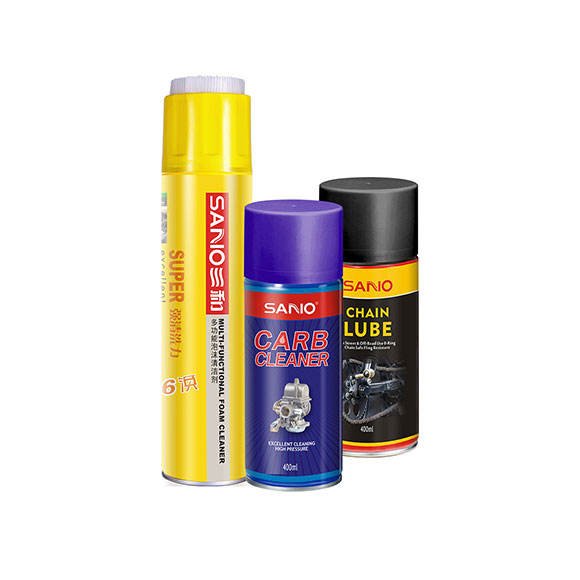
Where It Breaks — A Diagnosis
Surface science betrays most programs. Masking agents, tack from packing, trace oils from workers—each contaminant behaves like an invisible saboteur. At events such as the SEMA Show in Las Vegas, conversations among auto detailing chemicals suppliers and OEM engineers make clear how often detail-level chemistry dictates field performance. You can test panels till midnight; if your supplier’s batch varies in VOC profile or flash point, the field will expose the weakness. That’s where expertise and documentation matter: consistent MSDS, documented batch testing, and a supplier who’ll stand behind traceability.
How to Fix It — Direct Steps
Treat formulations like safety systems. Lock down raw-material specs with measurable tolerances. Require certificate-of-analysis per batch. Run adhesion and accelerated weathering tests on multiple production runs, not just the prototype. Isolate cleaning procedures: define dwell times, solvent contact, and post-clean inspection points. Train one team to own surface prep; make them the gatekeepers. Demand supplier audits and independent lab reports rather than promises.

Common Pitfalls and Mistakes
Relying on a single metric is the usual trap—gloss readings don’t prove adhesion. Cutting corners on pre-treatment saves a shift today and costs a recall tomorrow. Changing a supplier because of price without run-in testing invites formulation drift. Overtrusting “industry-standard” labels without reading the MSDS leaves you blind to trace contaminants. Fixes must be procedural and enforced: sampling plans, hold-back lots, and clear escalation when a batch marginally fails.
Implementation Blueprint
Create a short checklist that follows each batch from drum to dry-off. Measure incoming solvent purity, verify lot numbers, photograph prep surfaces, archive test logs. Integrate simple controls on the line: colorimeters, thickness gauges, and random adhesion pulls. Use external labs for quarterly blind tests. Keep communication channels tight between engineering, quality, and procurement—let procurement only sign off after engineering signs the batch report.
Conclusion
The problem-driven truth is stark: coatings fail because of small, ignored details. Solve those details with discipline, data, and supplier accountability, and you make the field dependable. Practical expertise wins—teams that document, test, and insist on traceability prevent slow erosion into recall cycles. For OEMs seeking a steady course through those hazards, the steady work of specification, testing, and reliable partners leads to durable results, just the kind of consistency SANVO aims to provide.