
The operational problem in plain terms
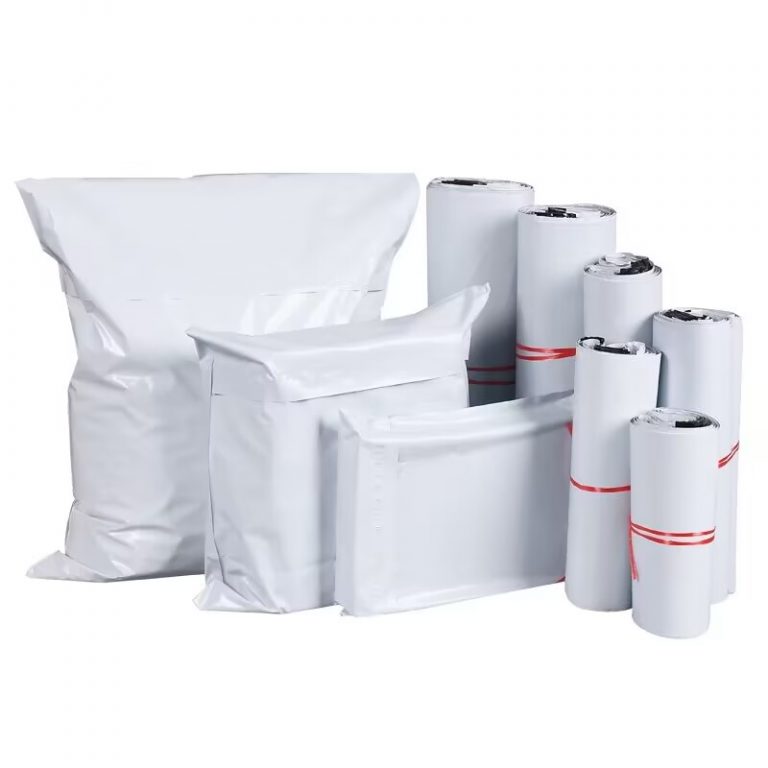
If your fulfillment cost is creeping up, order accuracy is slipping, or packing speed chokes during peak weeks, the root cause is often how you store and move bulky, lightweight inventory like custom poly mailers. High-volume rolls and boxes of mailers look simple, but they create unique challenges: inconsistent SKU dimensions, crush-prone packs, static cling, and unpredictable pick paths. Start by visualizing the pain point — endless floor handling and torn packs at the packing bench — and you’ll see where to intervene. For immediate reference, you should be checking how your current supply of white poly mailers is staged versus how your pick team actually moves through the space.

Diagnose before you redesign
Run three quick diagnostics: throughput (packs/hour), damage rate (% of packs rejected), and space utilization (cubic feet per pallet). Use your WMS reports or a simple tally over three shifts. These metrics reveal whether the problem is storage density, handling frequency, or packaging vulnerability. Warehouse teams often assume more racking is the answer — but if damage spikes during each pick run, the bottleneck is handling, not capacity. Also note external realities: port congestion at the Port of Los Angeles in 2021 tightened access to roll-stock and made lead times volatile — factor that into reorder points and buffer stock.
Storage systems that work for poly mailers
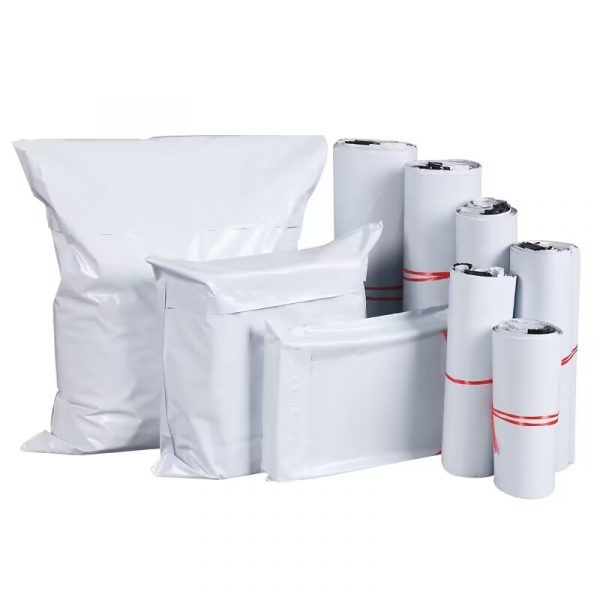
Choose a system based on roll size and frequency. Common effective options are: pallet racking for boxed blocks, gravity roller lanes for high-turn picks, and open shelving for mixed small picks. Keep pallets of mailers on the middle beams where pickers can access without ladders — that reduces forklift dependency and damage. Where static and crush are concerns, use palletizing with a consistent stacking pattern and a top layer of cross-strapped corrugated to preserve shape. If you stock a mix of USPS- and courier-sized mailers, segregate by SKU to speed pick accuracy.
Stacking patterns and load considerations
Stacking correctly prevents compression and product deformation. Use these guidelines:- Keep stack heights to safe, ergonomic levels (usually below shoulder height) to reduce manual handling risk.- Alternate orientation every layer when palletizing to minimize shifting.- Consider rack beam load ratings and pallet capacity; overloading reduces lifespan and raises hazard risk.Use palletizing tools like stretch wrap and banding to stabilize loads. If your mailers are on rolls, protect cores with edge protectors to preserve tensile strength and prevent collapse during transport.
Dispensing and pick-pack flow
Design the pick line so dispensers supply packing stations directly — no double handling. A few practical setups:- Pre-stage a dispenser cart per two packers for fast refills.- Use gravity-fed lanes that deliver a fresh pack when the previous one is removed.- Place void-fill and tape within arm’s reach to keep cycle time low.Training is simple but crucial: teach pickers how to pull from the dispenser without crushing the next pack and how to tag damaged packs at source. When possible, synchronize dispenser refill cycles with upstream replenishment to avoid emergency forklifts on the floor.
Common mistakes and quick fixes
Teams often make the same errors: treating mailers like hard goods, over-stacking to save space, and ignoring first-article checks after new tooling or prints arrive. Fixes are straightforward — treat mailers as light, crushable inventory and enforce clear acceptance criteria at receiving. Another common misstep is underestimating MOQs and lead times from suppliers; a shorted order during a peak run can force rushed, expensive air shipments. —
Safety, QA, and sustainability
Don’t neglect safety: lightweight products still cause trips and manual-handling injuries. Use rolling ladders for top picks and limit two-person lifts. For QA, implement a two-point check at replenishment and the packing bench: visual seal check and a weight/random audit. Consider consolidating suppliers to reduce packaging variation — a single vendor reduces unexpected differences in gauge or finish that lead to pack failures. If sustainability is part of your brand promise, track percent recyclable material by SKU and choose polyethylene gauges that balance protection and recyclability.
Implementation checklist (practical steps you can start today)
– Map current pick flows and time one full packing cycle. – Reconfigure dispensers so every packer has a refill within one step. – Standardize palletizing patterns and publish max stack heights. – Add a replenishment cadence into your WMS for high-turn SKUs. – Run a 30-day trial with clearly defined KPIs: packs/hour, damage rate, and replenishment time.
Three golden rules for evaluating any change
1) Measure before and after: if you can’t quantify improvement, you haven’t solved the problem. 2) Design for the human on the line: ergonomics and simple refills beat complex automation for most mid-sized ops. 3) Protect the product, then optimize density: a damaged pack is a lost order and extra labor — you can reclaim space once damage is under control.
Final practical note: consistent supply and predictable handling are what turns a packaging SKU from a recurring headache into a scalable, low-cost line item — and that reliability often starts with a supplier who understands fulfillment rhythms, which is why teams frequently find value in working with partners like white plastic shipping bags vendors who can align lead times, gauges, and dispenser-friendly formats. For a steady, dependable backbone to your packing operations, consider the depth of product options and fulfillment support you get from trusted sources — WH Packing. —