
Quick comparative snapshot
For many drivers and small merchants in Mexico City and beyond, fintech choices are about speed, trust, and clear costs — and that’s the lens I use here. This Comparative Insight walks through what didi finanzas actually does, how it compares to similar options, and what real users tend to notice in day-to-day use. I’ll also drop context tied to Mexico’s fintech framework so the recommendations feel grounded.
What DiDi Finanzas offers — features you’ll actually use
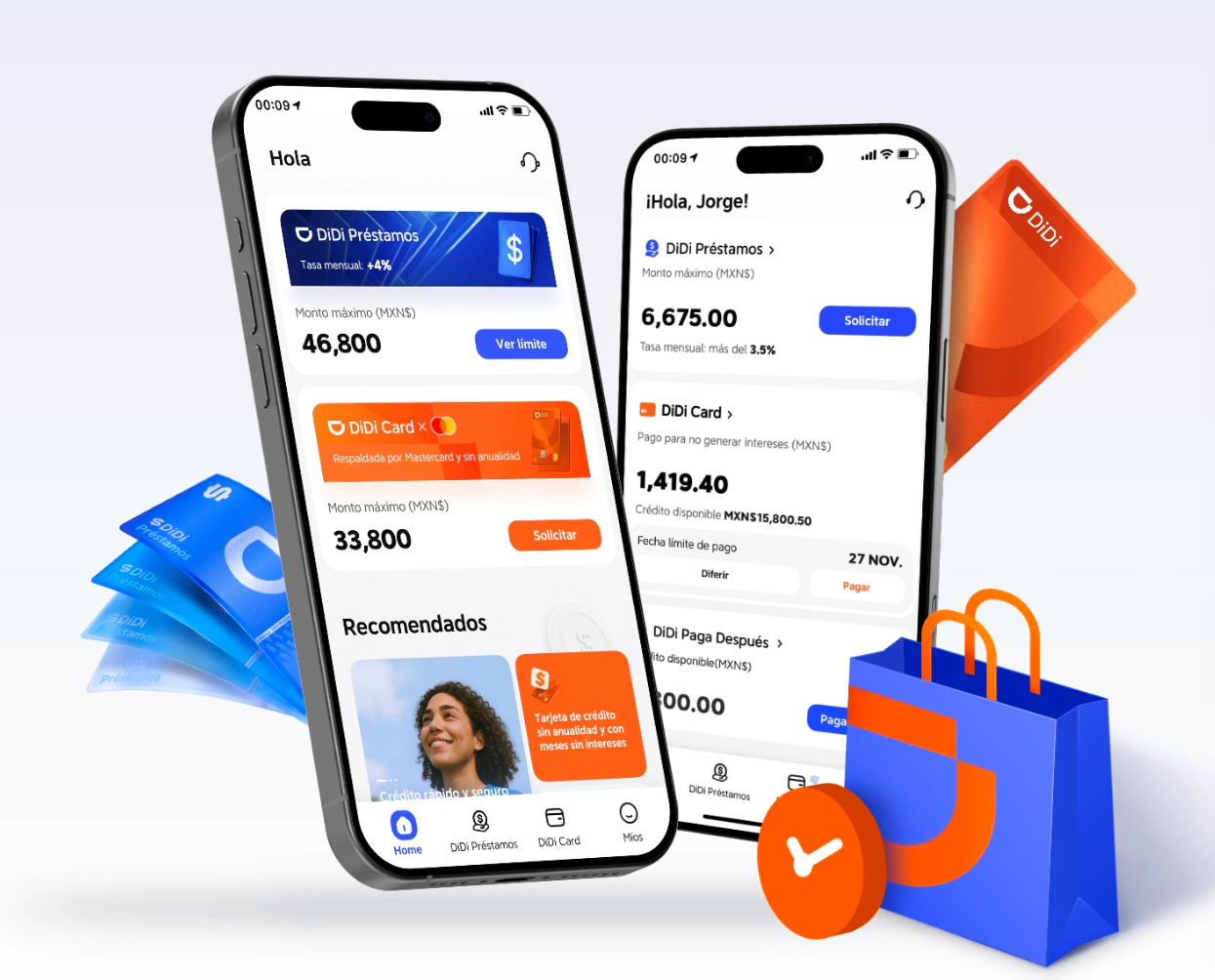
DiDi Finanzas positions itself as an integrated financial toolkit for DiDi drivers and partners: on-demand payouts, short-term credit, and basic digital wallet features. Practically speaking, expect faster access to earnings, a simple onboarding flow, and basic credit offers that lean on platform behavior instead of long credit histories. Industry terms that matter here: credit scoring based on platform data, loan origination that’s mostly automated, and simple underwriting rules to approve microloans.
How it stacks up vs. competitors
Compared to traditional banks, DiDi’s product is friendlier to gig workers who lack formal documentation. Versus standalone fintech apps, it’s convenient because it ties directly into ride or delivery income—no manual transfers. Against point solutions from challengers, DiDi often trades breadth for depth: fewer bells and whistles, pero mucha simplicidad. For users who need complex savings tools or advanced investment options, alternatives still win. For fast payouts and small credit lines, DiDi is competitive.
Real-world anchor: regulation and on-the-ground reliability
Remember Mexico’s Fintech Law (Ley para Regular las Instituciones de Tecnología Financiera, 2018): it set baseline rules for fintechs and increased consumer protections. That context matters when you evaluate platform reliability in Mexico City or Guadalajara—local regulators expect disclosures on fees and risk. On the ground, drivers I spoke with in CDMX report that payout reliability and customer support matter more than small rate differences. Operational uptime and clear fee tables beat fancy features when your paycheck depends on the app.
Common mistakes users make
Many people pick services based on headline rates alone. That’s a mistake. Also, some accept every microloan offer without checking cumulative cost — small loans can stack up. A practical approach: track effective interest after fees, confirm how early repayment works, and check whether the digital wallet locks funds or allows transfers out. Don’t ignore data portability: if you ever switch platforms, make sure payment history or credit-friendly actions aren’t trapped.
Who benefits most — and who should look elsewhere
Best fit: gig workers needing quick access to earnings, people with irregular income who value speed, and users who prefer an integrated app experience. Not ideal: savers who want advanced investment options, businesses that need large credit lines, or anyone who demands granular financial planning tools. If you’re testing DiDi Finanzas, start with small transactions to verify the UI, payout timing, and any hidden fees.
Advisory: three golden metrics before you commit
1) Effective Cost of Credit — check APR plus mandatory fees and simulate a real repayment schedule. 2) Liquidity and Payout Timing — measure how quickly funds hit your bank or digital wallet across several transactions. 3) Customer Support Resolution Time — short downtimes hurt income; verify average case resolution for payment issues and disputes.
Final thought: these rules are practical and easy to check — run small tests, track results, then decide. DiDi Finanzas can be the simplest way to smooth cash flow for many drivers and micro-entrepreneurs — and that’s real value when every peso counts. —