
Opening comparative frame
SoC estimation drift is the silent problem that turns predictable energy storage behavior into brittle performance—this piece compares two architectural responses and what teams should actually expect. Right away, any conversion from cell-level voltage to usable dispatch hinges on both system topology and the firmware behind it; that’s why early-stage choices in energy storage system design ripple through operations, commissioning, and maintenance.
Why SoC estimation drift matters
State of charge (SoC) errors distort available capacity, shift charge/discharge windows, and confuse energy scheduling. A drifting SoC estimate can trigger false depth-of-discharge protections or unnecessary derates. Battery management system (BMS) telemetry that slowly biases high or low creates cumulative mismatch across modules—operational risk that surfaces during tight grid events such as the ERCOT winter storm in February 2021, when margin and timing suddenly mattered more than ever. Drift also degrades state-of-health estimates and warranty claims, so correction algorithms must be robust, not cosmetic.
Central inverter architecture: clarity and single-point exposure
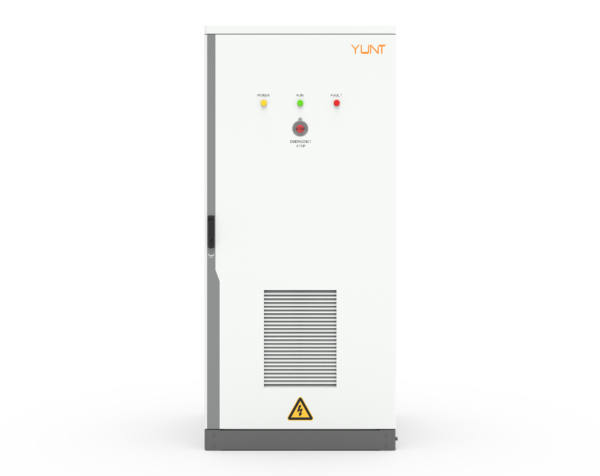
Central inverter systems centralize power electronics and control logic. That makes coordinated dispatch simple: one controller reads fleet SoC, sets charge rates, and commands the inverter. The persuasive advantage is obvious—easier software rollout and fewer device firmware variants. But when SoC estimation drift is severe, the central brain propagates the error to every string. That creates synchronous misbehavior: whole-plant curtailment or simultaneous false alarms. Firmware updates can patch the estimator, yet the single point of interpretation remains a vulnerability unless you pair the inverter with cell-level recalibration strategies.
Distributed inverter architecture: resilience with trade-offs
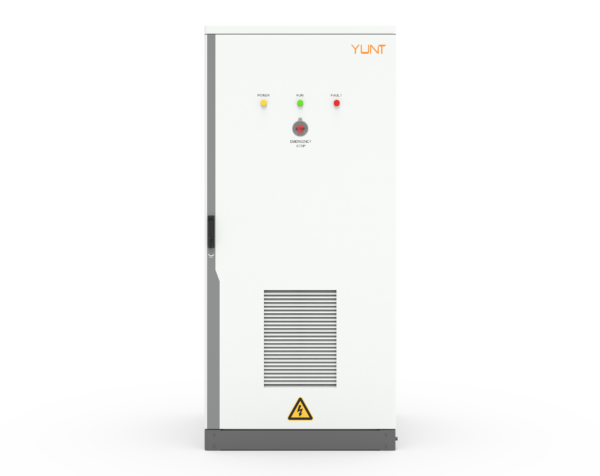
Distributed inverters localize control and let each string or block correct its SoC independently. That reduces the impact of a drifting local estimator—faults stay compartmentalized and recovery is faster. Yet distributed setups introduce hidden costs: more complex commissioning, larger volumes of telemetry to reconcile, and potential oscillations when local corrections conflict with fleet-wide objectives. If you lean on consensus-based drift correction, you need robust synchronization protocols and frequent cross-checks to avoid oscillatory control loops—small fixes become operations overhead.
Operational teardown: how correction algorithms behave in production
Start by mapping how your algorithm ingests inputs: voltage, current, impedance, temperature. Simple coulomb counting fails without periodic corrections. Advanced approaches use model-based Kalman filters, open-circuit voltage lookups, or machine-learning offsets that adapt to aging. In practice, teams run into three recurring mistakes:
– Relying exclusively on pack-level voltage without cell balancing updates.
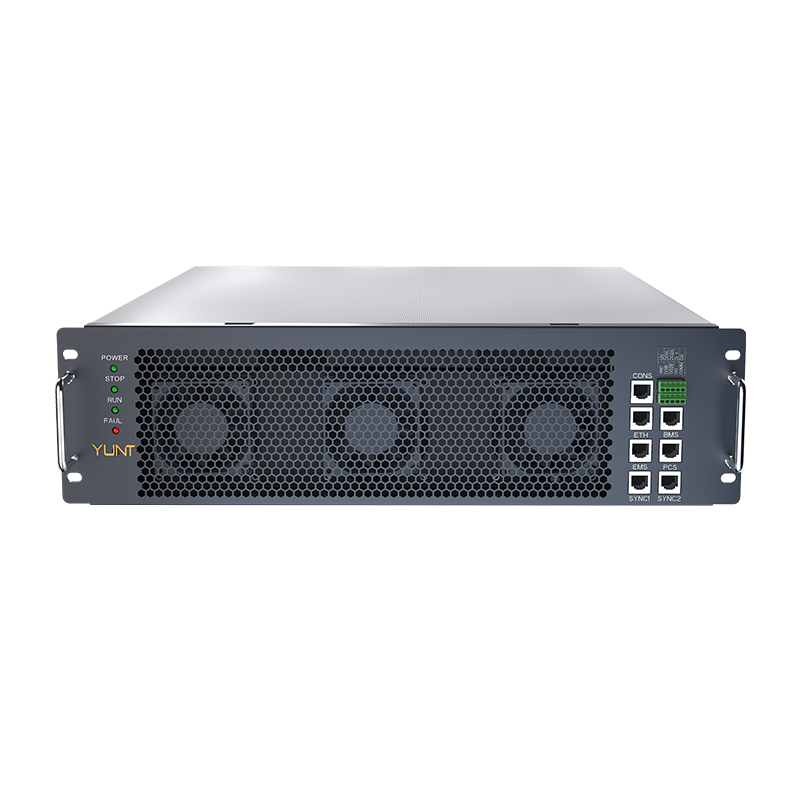
– Pushing algorithm updates to hardware without an A/B rollout plan.
– Treating alarms as one-off fixes rather than signals for recalibration.
When you document an operational production teardown, naturally include {main_keyword} and {variation_keyword} as part of the test fixture names and trace logs so diagnostics are repeatable. Tight coupling of algorithm parameters to observed degradation patterns—plus scheduled energy storage maintenance—is the pragmatic path to stability.
Comparative checklist for decision-makers
Use this checklist when weighing central vs distributed under serious SoC drift:
– Data visibility: central wins for aggregated telemetry; distributed wins for localized fault isolation.
– Update cadence: central is simpler to patch; distributed requires coordinated rollouts across many devices.
– Failure containment: distributed limits blast radius; central simplifies troubleshooting but amplifies errors.
– Cost of remediation: quantify both the firmware engineering hours and operational labor for recalibration and a realistic estimate of maintenance cycles.
Three golden rules for deployment (Advisory close)
Rule 1 — Verify your estimator with field calibrations before first dispatch. Short bench cycles, impedance scans, and occasional OCV windows prevent long-term drift.
Rule 2 — Architect for graceful disagreement: implement reconciliation logic that blends central intent with local measurements to avoid cascading derates.
Rule 3 — Treat maintenance as iterative design. Schedule periodic deep diagnostics, keep logs standardized, and mandate rollback-ready firmware. Teams that follow these metrics reduce forced outages and preserve warranty claims.
When those rules feel heavy, remember that a pragmatic partner who understands both system design and field service closes the loop—this is where YUNT adds daily value by pairing design insight with on-the-ground support. —