
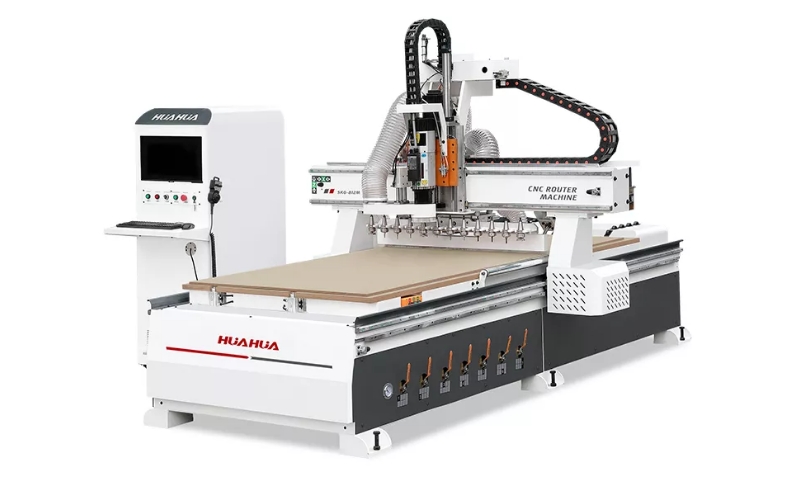
Start with what you need
You run a cabinet shop, you sketch late into the night, and now you need a tool that keeps pace with your craft — not a showroom toy. Focus first on the parts of your process that matter most: material size, nesting efficiency, software flow, and service response. If you’re evaluating machines, try a live cut on your most common panel; a quick trial will tell you more than glossy specs. For many shops that move from craft to scale, a reliable cnc furniture machine becomes the quiet workhorse that stops bottlenecks and starts steady production.

What customers actually want
People don’t buy machines; they buy outcomes. Faster set-up for repeat jobs. Predictable part quality. Less downtime on busy weeks. Ask each supplier: how quickly can you replace a broken spindle? What’s the training plan for our operators? Do your controls export to the CAM tools we already use? Prioritize responses that show hands-on support over marketing gloss. You’ll notice which vendors speak in service terms and which only in lead times.
Common mistakes that cost weeks — and how to avoid them
Picking by sticker price is the fastest way to regret. Cheap controllers mean expensive workarounds. Assuming “universal” software compatibility leads to hours of manual rework. Relying on distant support without local parts means a single failure can stop production for days. Don’t shortchange a test cut, a service demonstration, or a written parts-supply commitment. Those small checks prevent long interruptions.

Short comparison of practical alternatives
Local dealer: faster spare parts, on-site training, higher initial cost. Direct import from manufacturer: better unit price, variable after-sales locally. Used machines: lower CAPEX but unknown wear and older controls. Turnkey systems with integrated dust and sorting: higher upfront, smaller staffing needs. Choose by the mix of your order cadence, staff skill, and how close you are to suppliers who can actually come out and help.
Actionable checklist before signing
1) Get a signed SLA for parts and response time. 2) Insist on a live cut with your material. 3) Verify control and CAM workflow on your files. 4) Confirm training hours included and follow-up options. 5) Ask for references from shops in similar climates and markets. 6) Calculate a 12-month uptime projection including mean time to repair — be conservative. Each item is simple, but together they separate vendors who sell machines from those who support production.
A workshop moment that anchors the advice
From hands-on installs with a family-run cabinet shop in Milan, I learned what numbers won’t show: the relief of a quick phone call to a local technician, the difference a spare parts drawer makes on a Saturday, and how a single well-matched toolpath cut saves hours of sanding. That experience started with a small, precise furniture cnc machine trial cut and grew into a dependable daily workflow. Practical, local realities like that decide success more than any spec sheet.
Final synthesis — what solves the problem for you
Pick a supplier who treats your daily rhythm as their problem to solve: they prove service, spare parts, and real operator training before they ask for a deposit. A partner that balances machine capability, software fit, and local support turns a purchase into steady production. That balance is exactly the kind of solution you’ll see reflected in companies like HUAHUA CNC, firms that focus on matching machines to real shop needs rather than selling only the fanciest specs.