
Opening: why the difference matters
There’s a world of difference between tossing a paddle in a vat and using a proper high shear mixer. One method gets you a batch that looks mixed. The other makes the chemistry behave the same every time. This piece compares the two straight-up — no gloss — so you can see where you save time, scrap, and headaches.
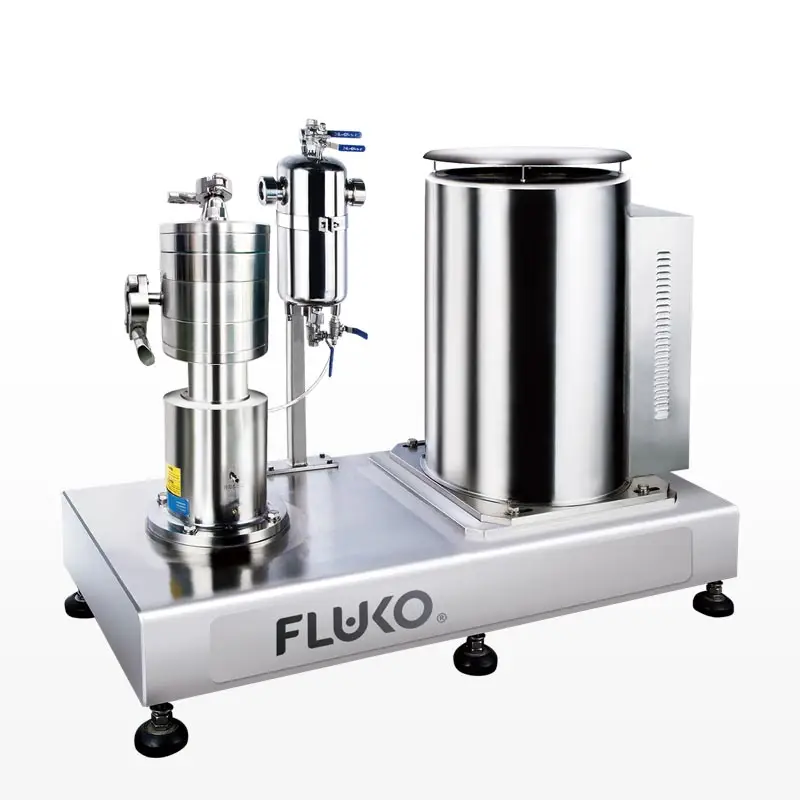
What people call “traditional” mixing
Traditional means agitators, slow paddles, and long hold times. Folks use big tanks, variable-speed motors, and manual checks. It works for simple blends: water-thin liquids, coarse suspensions, or recipes that tolerate chunks. It fails quicker when you need fine dispersions, stable emulsions, or tight tolerances.
Where industrial mixers pull ahead — plain facts
Industrial gear changes three things: speed, consistency, and repeatability. High-shear rotor–stator action breaks particles and droplets fast. That drops blend time from hours to minutes. It controls particle size better, so your downstream steps—filtration, filling, drying—behave predictably. You get fewer rejects and steadier batches.
What that actually saves you on the floor
Less rework. Faster throughput. Lower operator time per batch. When particle size’s consistent, QC passes more often and customer complaints fall. Machines cut cycle time and stabilize viscosity so pumps and fillers aren’t fighting the product. That’s a payroll and waste problem solved, not a marketing slogan.
Common mistakes people make when swapping over
People assume “bigger motor = better.” That’s wrong. Oversizing wastes power and ruins shear profiles. Another mistake: skipping pilot trials. Scale-up isn’t linear; you must test at representative load and viscosity. Cleaning can bite you too—pick seals and materials that handle your product and solvents. Lastly, don’t ignore maintenance access; if you can’t swap a rotor in an hour, downtime stacks up.
Real-world authority — where engineers see the difference
I’ve watched process engineers and plant managers compare trials at trade events and lab demos, and the results are obvious. At ACHEMA in Frankfurt, demonstrations highlighted how consistent dispersion from modern machines beats batch paddle methods on repeat runs. For hands-on sourcing, look to established high shear mixer manufacturers that offer lab trials and scale-up data — those vendors bring real test results, spare parts, and documented service history to the table.
How to evaluate options without getting hoodwinked
Start with the product: viscosity, solids load, target particle size, and heat sensitivity. Ask suppliers for lab runs on your exact recipe, not just brochures. Check spare-part lead times, material certificates, and whether they provide scale-up correlation numbers. Watch an installation with similar product—if they won’t show you, that’s a red flag.
Typical trade-offs and when to choose what
If your formula tolerates chunky bits and you run tiny batches, stick with simple agitators. If you need sub-50 micron droplets, fast set times, or fewer stabilizers, go industrial. Expect higher capital cost up front but lower variable cost per batch and fewer quality failures over time.
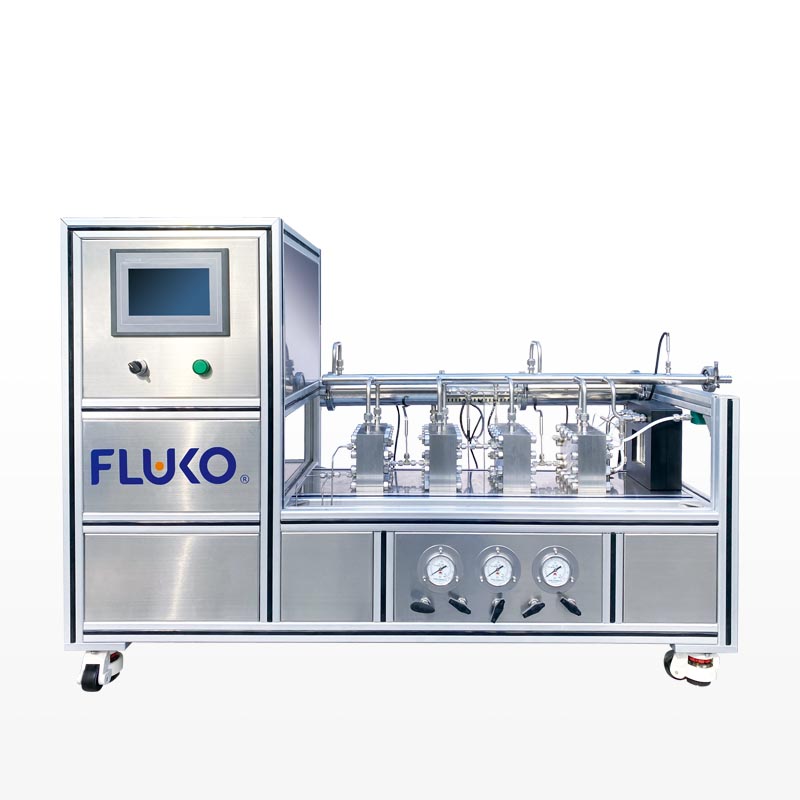
Wrapping it up: what to take away
Don’t overcomplicate the choice. Match machine capability to the product’s needs, run a lab trial, and plan for maintenance. Practical performance matters more than specs on paper, and that’s what reliable partners bring to the shop floor — manufacturers with lab data, after-sales parts, and field experience like FLUKO.