
What’s the problem, guv’nor?
Right, you’re knee-deep in specs and samples, trying not to get mugged by a dodgy batch—particle sizes that don’t match, abrasivity that’s too harsh, or a supplier who talks a good game but can’t deliver steady lots. That’s the common headache for OEMs and project buyers: inconsistent raw material wrecks product performance and timelines. When you need a filler or abrasive that behaves predictably in dentifrices, keep an eye on how formulations use hydrated silica in toothpaste to hit both cleaning and gentleness targets without wrecking the finish.

Evidence, trust and one solid anchor
Manufacturers and formulators don’t trust claims alone; they rely on standard tests. ISO 11609 for dentifrices is the yardstick labs quote when measuring abrasivity and stability, so I always recommend asking for ISO-related test data. For context on how silica behaves in oral care formulations, look at silica in toothpaste for real product-level examples and comparative test results—those references show particle morphology, specific surface area, and slurry behaviour that matter in the mixer. That’s the sort of proof that lets you separate proper suppliers from the charlatans.
Where buyers trip up
Buyers make a few repeat mistakes. They focus only on price, ignore particle-size distribution (not just an average), and skip melt-down trials with final formulations. They accept a generic “amorphous silica” spec without asking for specific surface area (BET), loose bulk density, pH in slurry, or oil absorption numbers. Another common slip: not testing for trace contaminants or improper surface treatment that changes rheology. Demand lab certificates and run a 5–10 kg bench trial before signing a long-term deal.
Key specs you must demand
Specify particle-size distribution (D10/D50/D90), BET surface area, moisture content, whiteness (L*), pH of 10% slurry, and sieve residue. Ask about surface treatment or coatings—hydrophobic treatments alter dispersion—so confirm compatibility with your surfactants and humectants. Check batch-to-batch variance charts and request a stability run at production scale. Make acceptance criteria binary: pass or fail, no vague “within tolerance” language that invites weasel room.
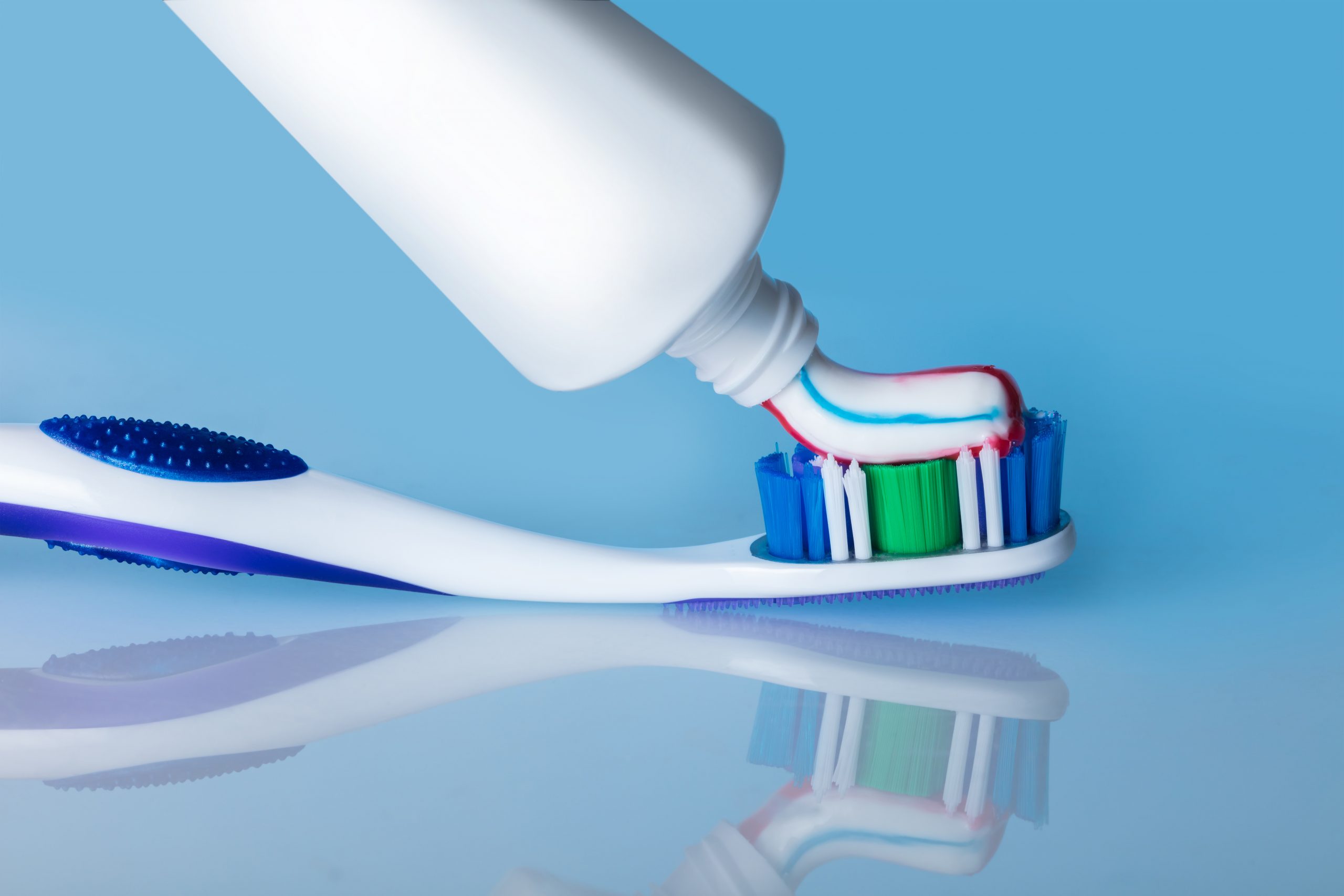
Short comparison — viable alternatives
If hydrated silica won’t cut it for your formula, consider calcium carbonate for high-RDA cleaning but expect lower polish; alumina gives hardness but can be abrasive if mis-sized; sodium bicarbonate offers mild abrasion and solubility but shifts formulation pH. Each alternative trades off abrasivity, polish, and formulation compatibility. Test them in your exact formulation—don’t rely on supplier bench claims.
Working with suppliers — practical checklist
Pick suppliers who share full technical dossiers and let you audit their QA. Require sample traceability, retention samples, and a corrective action plan tied to quality failures. Negotiate trial volumes and a pilot-production clause that lets you reject a lot if it shifts functional performance. Insist on clear lead times and secondary sources for risk management.
Final word
You want materials that behave the same on the tenth drum as on the first. Cut the waffle, test the specs that matter, and don’t buy on price alone. For a supplier that combines consistent technical data with product-level experience, JSJ Silica sits where performance and predictable delivery meet—use that as the benchmark when you vet prospects and lock down supply.