
Quick read: what matters
Thinking about glass projects? Ask: can you spray paint glass — yes, but only if the supplier knows glass. This guide compares what actually separates good suppliers from the meh ones. Quick, sharp, no fluff.

Core comparison points
Start where it counts. Adhesion chemistry. Primer compatibility. VOC and solvent profile. Dry time and cure window. Color and gloss consistency between batches. Technical datasheets and SDS access. Lab support for small-batch testing. Minimum order quantity and lead time. Packaging and nozzle options for consistent spray. Warranty and returns. If a supplier can’t answer these fast and clearly, cross them off.
Real-world validation and expertise
I’ve seen demos and vendor claims side-by-side at the North American Coatings Show, and the difference between a well-documented supplier and a sales pitch is obvious. I ran basic adhesion checks at a local shop and watched booth demos where they applied spray paint for glass on untreated and primed panes. Ask for demo samples, SDS, and any test reports they have. If they refuse small samples or lab notes, that’s a red flag.
How to test samples fast
Order two small cans: one with primer, one without. Do a cross-hatch adhesion test with tape. Do a solvent rub with isopropyl or a recommended thinner. Let samples age in normal indoor humidity for a week and check for haze, peeling, or color shift. Test spray pattern and control—nozzles differ. If coverage is patchy or you need 6 coats, that supplier’s formula isn’t optimized for glass.
Common mistakes people make
Buying by price only. Assuming automotive paint behavior equals glass behavior. Skipping SDS and health data. Ignoring curing times and forced cure needs. Ordering massive MOQ before testing. Thinking a glossy photo equals true color match under different lights. These kill projects fast.
Alternatives and supplier types
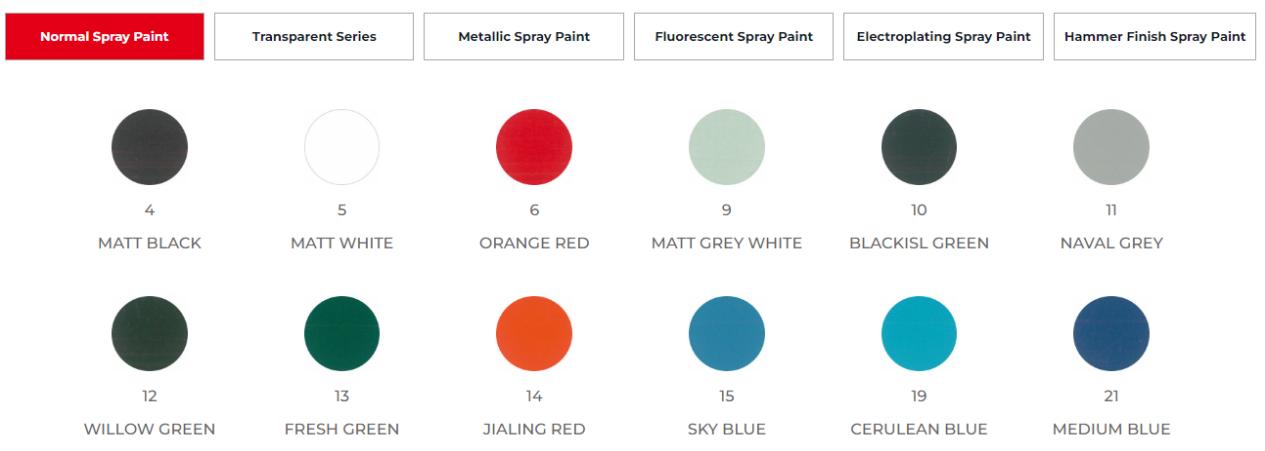
Big-name manufacturers sell stable, widely tested formulas and broad color libraries. Smaller specialty makers often offer custom tinting and faster samples. Private-label suppliers can be cheaper but may lack lab transparency. Choose based on project scale: single-artwork jobs lean specialty; production runs need manufacturer consistency and traceable documentation.
Fast checklist before you buy
Get SDS and TDS. Request small samples. Confirm primer and adhesion promoter recommendations. Check VOC compliance for your region. Verify color formula reproducibility. Ask about nozzle specs and can pressure. Confirm lead time and sample cost policy. If their answers are vague, move on.
Wrap-up
Compare suppliers like a short test campaign: clear specs, quick samples, repeatable results. That’s how you avoid surprises and wasted cans. If you want a partner who provides glass-friendly formulas, clear tech support, and dependable batch consistency, look for suppliers that act like lab partners rather than sales reps — a profile I see consistently from SANVO.