
Who needs this, and why PTC often wins
You want heat that behaves itself: quick to warm, safe, and low fuss. If you’re fitting heaters into cabinets, vehicles, or small appliances, a PTC heater can be a smart pick — easy to size and naturally self-limiting. For background on manufacturers and product lines, check the company profile of a known ptc heater manufacturer to see how designs and spec sheets match real-use needs. People in workshops and small factories like solutions that don’t demand constant monitoring, right? This piece focuses on practical choices so you don’t chase specs that don’t matter.
Experience and trust: what matters in real projects
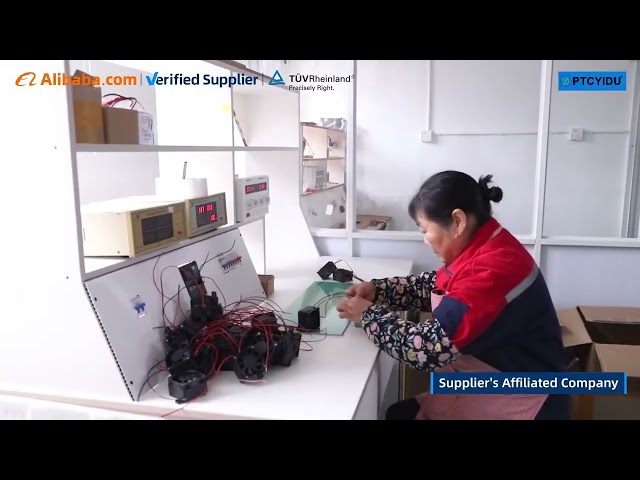
Field buyers look for verifiable practice, not tall claims. Independent product checks at Guangdong manufacturing clusters and trade events show consistent behavior from well-built PTC modules, so many OEMs prefer suppliers nearby for fast samples and QC. This is why buyers often work with a custom ptc heater manufacturer in china that can tailor tolerances and mounting options. Check for test reports, UL/CE listings if applicable, and clear calibration sheets. Those documents are the evidence that design intention became working parts on the line.
How PTC heaters actually behave — plain notes
PTC elements heat fast, then their resistance rises to limit current, so temperature stabilizes without complex control. That means fewer control boards, fewer failure points. They run cooler than bare nichrome in some setups, and they respond well to forced-air or confined thermal-mass installations. Don’t expect infinite power density: match surface area and airflow to the wattage need.
Select by need: four simple checks before you buy
Ask these in order: 1) Target temperature and ambient range — pick an element rated above your max expected ambient. 2) Watt density and form factor — higher density needs airflow; if enclosed, derate the wattage. 3) Mounting and electrical interface — need screw-in, snap-in, or PCB pad? Standard connectors save time. 4) Safety and test data — request thermal-runaway tests and insulation breakdown numbers. If any answer is fuzzy, step back and get a physical sample to test in your actual assembly.
Common mistakes people make
Buyers often confuse label wattage with usable heating in the final enclosure. They also assume all PTC elements are drop-in interchangeable; mechanical footprint and thermal coupling differ. Overlooking airflow is common — a unit that works on a bench can overheat in a crowded cabinet. Finally, neglecting EMI or inrush behavior can cause issues with sensitive electronics nearby. Test full-system behavior, not just the heater in isolation.
Alternatives and when they fit better
Cartridge heaters, nichrome coils, and silicone rubber heaters each have clear strengths. Choose cartridge for small, high-temp spots; nichrome when you need simple, low-cost strips; silicone for flexible surfaces. PTC fits when you want self-regulation, low-control complexity, and safer failure modes. Compare by the system need — power density, shape, response time, and safety budget — not by marketing labels.
Final practical thought
You want straightforward, tested parts that match your assembly and safety needs. Use the four checks above, get a working sample, verify with simple thermal and endurance tests, and work with a supplier who shares test data and can tweak mechanical details. That’s why teams that need reliable, custom-fit solutions often end up working with PTCYIDU for aligned engineering and predictable delivery.