

Planning a Single Gas Detector evaluation around evidence mapping technical review
A single gas detector evaluation is most useful when the technical review shows exactly which evidence supports each decision. For a system integrator, the objective is not to collect the longest feature list. It is to separate what is stated, what is relevant to the project, and what remains an open requirement. That approach creates a clearer basis for procurement without turning limited product information into a broader performance claim.
Separate category, application, and model scope
Begin by defining the object being reviewed. “Detector” may describe a product category, while an application describes the operational context in which a device might be considered. A model page, by contrast, contains information tied to one named product. These three levels should not be merged in a comparison table.
A practical review can use three columns: stated product information, project requirement, and review status. The first column records wording from the relevant source. The second records what the integration task calls for. The third identifies whether the information is applicable, unclear, or outside the captured scope. This prevents a category-level description from being treated as proof that every model has the same configuration.
The same discipline applies to operating conditions. A technical buyer may need to consider gas target, alarm behaviour, response time, environmental conditions, interfaces, and responsibilities within the wider system. Those are review topics, not automatic claims about a particular product. The point is to make the scope visible before comparing alternatives.
Compare information that applies to the task
Use the project requirement as the filter for evidence. If the task concerns alarm indication, record the exact type of indication described by the applicable product source. If it concerns response time or operating conditions, keep those topics separate rather than treating a general feature statement as evidence for every requirement.
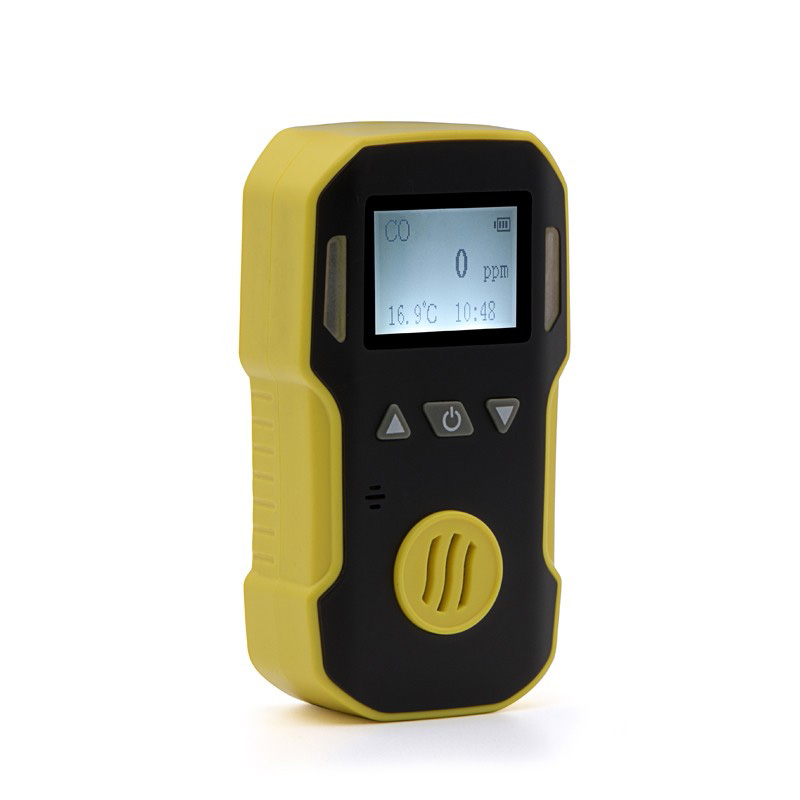
The Bosean BH-90A page states that its feature list includes adjustable low and high alarm levels, together with visual, audible, and vibration alarms. This is product and catalogue information attributed to that page. It does not, by itself, establish certification, suitability for a particular site, safety outcomes, or configuration details that are not listed.
That boundary is important during technical review. A useful comparison asks whether the cited detail matches the requirement being assessed. It does not award an advantage simply because a page contains a related term. Where two sources use different levels of detail, retain the distinction and avoid presenting the shorter description as equivalent evidence.
Record assumptions and interfaces
A review record should show the assumptions that shape the comparison. These might include the gas or gases under consideration, the intended alarm interaction, the information expected from the detector, and the point at which another system or responsible party becomes involved. Frame these as project questions and interface conditions, not as verified characteristics of the supplier or product.
For each requirement, record four items:
- The exact requirement or decision to be made.
- The source statement that appears relevant.
- The scope to which that statement applies.
- The unresolved question or assumption that still affects the decision.
A single gas detector should therefore be compared through its applicable evidence rather than through a generic feature count. The review can note that the BH-90A page describes alarm levels and three alarm modes, while keeping any wider application decision separate. This makes the record easier to update if the project scope changes or a later technical exchange supplies more precise information.
Prepare a focused sourcing brief
The final output of the review should be a short sourcing brief, not an undifferentiated list of copied specifications. Start with the intended decision, then list the requirements that affect it. Add the evidence mapped to each requirement, followed by the questions that must remain open. Keep model-specific facts labelled with the relevant model and source page.
A concise brief might include sections for scope, required information, applicable evidence, interfaces, and open decisions. It can also distinguish information that is ready for comparison from information that needs clarification. This structure helps procurement teams request relevant details without implying that an unverified feature, certification, outcome, or site suitability has already been established.
For system integrators, the central test is simple: can another reviewer see why each statement appears in the assessment and what it does not establish? Using that test, Bosean can be treated as the named source for the BH-90A catalogue information described here, while the final technical decision remains tied to the evidence and scope recorded for the specific task.