
Introduction — a small question that matters
Have you ever watched a production line slow down at the exact moment a big order arrives and felt your stomach drop? As a wet wipes machine manufacturer, I’ve seen that panic more times than I care to count. Recent industry surveys show many mid-size plants run at 70–85% of rated capacity on average — wasted hours, extra cost, and frustrated teams. So what really causes the bottleneck: old machines, poor changeover routines, or something else entirely?
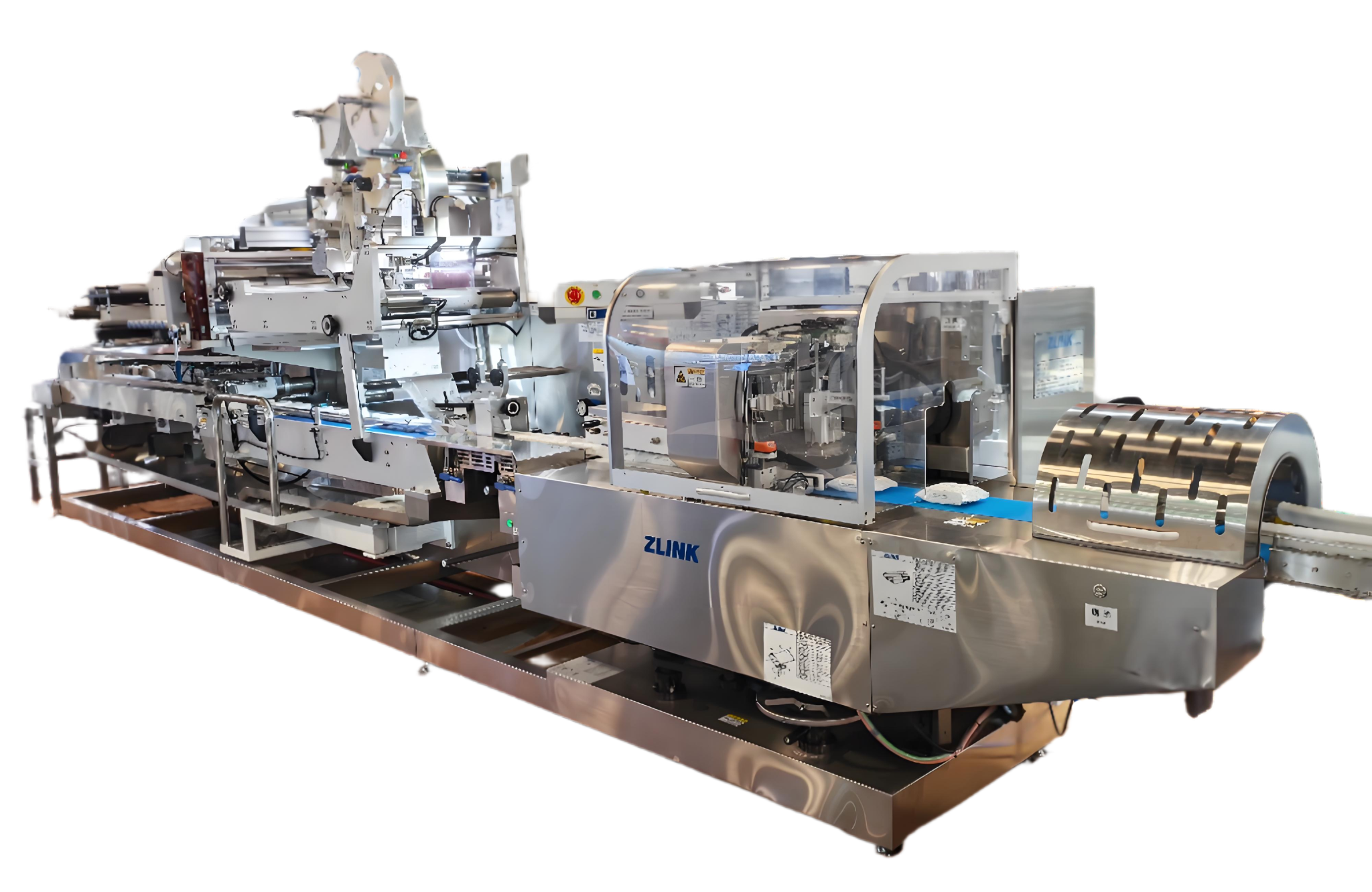
I’m speaking gently here because real people are involved — operators, maintenance crews, and buyers — and they need clear, honest guidance. I’ll use straightforward facts and plain advice (no jargon-heavy lecturing), and I’ll point out where small fixes give big gains. Think of this as a careful conversation: we’ll diagnose, poke at common failure points, and then move toward practical choices. Ready to look under the hood? Let’s move on to the deeper problems and hidden pain points.
Part 2 — Why classic solutions fail for makeup remover wipes
When teams try to scale production of makeup remover wipes, they often apply familiar fixes: upgrade the servo motor, add a faster rotary die, or tweak the PLC program. Those steps help — briefly. But they miss root causes. I’ve noticed the same trap again and again: changes that look technical but ignore how operators interact with the line. The return is small because the process still stumbles at feed tension, adhesive cure, or pack sealing alignment. Look, it’s simpler than you think — the machine parts alone won’t fix a system problem.
Technically, a few shortfalls are common. First, modular upgrades without process mapping create mismatch: a faster servo motor can expose weak web tension control, and then you see more waste. Second, maintenance practices lag; spare part lists are incomplete and power converters or belts run to failure. Third, human factors — training gaps, unclear changeover checklists, rushed setups — cause inconsistent throughput. I’ve walked lines where the best PLC logic in the world was undermined by a messy roll change. That gap between design intent and daily reality is where output drains away. We must stop treating symptoms and start fixing the workflow and control strategy. — funny how that works, right?
What do operators complain about most?
They say: “We can’t trust the changeover timing,” or “the seals vary shift to shift.” Those complaints point to weak standard work and a lack of condition monitoring at the web path, sealing head, and cutting station. Add simple sensors and clearer SOPs, and you cut a lot of variability fast.
Part 3 — Case example and future outlook: practical steps forward
Let me share a short case: a manufacturer I advise had chronic scrap on their makeup remover wipes line. We mapped the process, tracked downtime, and discovered three big loss categories: roll handling delays, sealing misfires, and inconsistent adhesive dosing. The solution wasn’t an expensive machine swap. We installed better web edge guides, standardized roll change steps, and put simple edge computing nodes to catch early drift. Within three months, throughput rose 18%, and operator stress dropped. It wasn’t magic — just focused changes that matched the real problem.
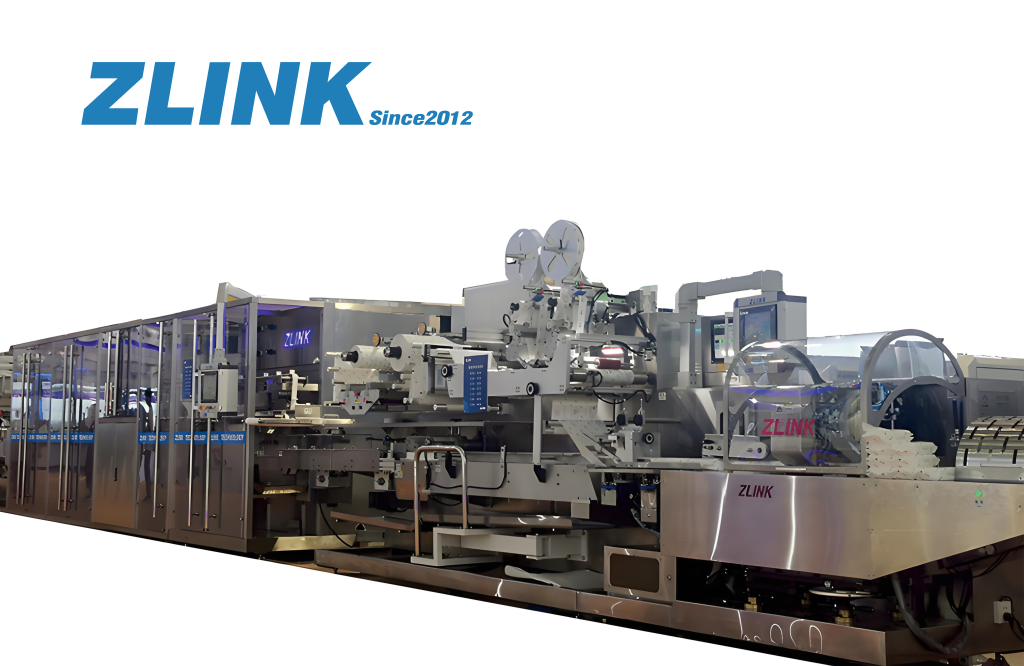
Looking ahead, smart retrofits will matter more than full replacements for many shops. New modules for tension control, low-cost condition sensors, and improved human–machine interfaces let older machines meet higher demand without huge CAPEX. That said, some lines will benefit from full redesigns when rotary die wear, sealing head limits, and overall floor layout block scale. Decide based on data, not instinct. Here’s what I recommend you track as you evaluate options — practical metrics that matter in the real world (and yes, they’re measurable):
What’s next — measuring real improvement
Three key evaluation metrics I use when advising teams: 1) Overall Equipment Effectiveness (OEE) focused on the actual product family; 2) Mean Time to Restore (MTTR) for the critical stations like the sealing head and rotary die; 3) Changeover Time and Variability — measured in steps, not minutes. If a retrofit improves OEE by a measurable percent and cuts changeover variability, it’s worth a deeper look. I prefer semi-formal tests and short pilot runs to prove it — faster than you think, and less risky.
I care about this because production isn’t just numbers — it’s people’s livelihoods and brand promises. When teams get these basics right, output climbs, stress fades, and the whole plant breathes easier. For clear, practical solutions you can test quickly, check what ZLINK offers — I’ve seen their retrofit modules perform well on real lines. They’re not a silver bullet, but they’re a solid tool in the toolbox. — I’m confident you’ll see the difference.