
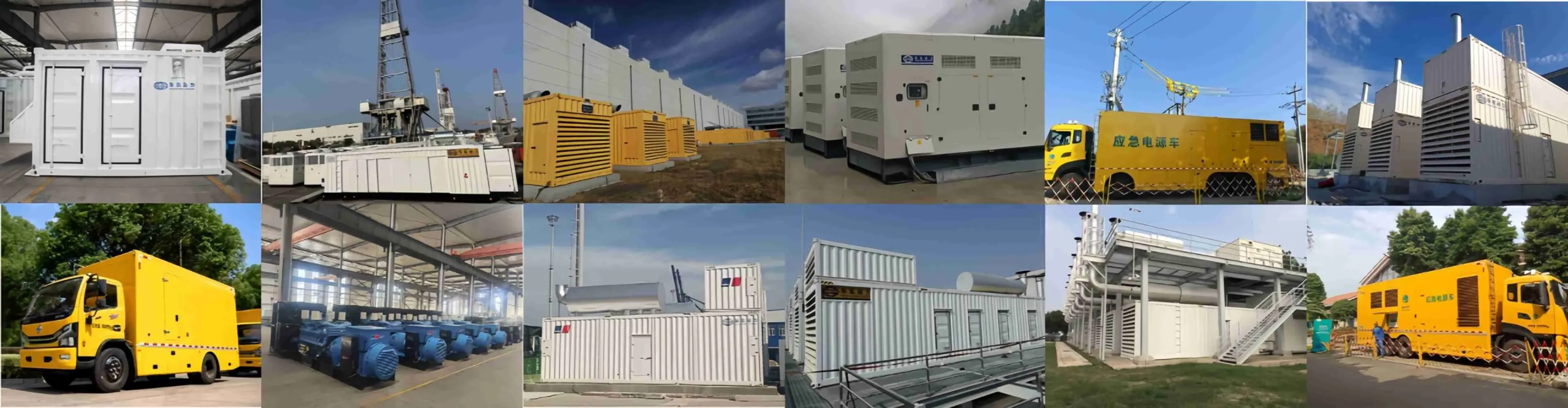
What this comparison’s about
We’re cutting the fluff and sizing up containerized gensets against the old-school setups — who’s cheaper to run, who breaks less, and who actually keeps crews moving. Right up front: if you want rugged, ready-to-roll container solutions, check the volvo genset line — they show where factory-level build quality meets practical site needs. This piece pits containerized genset designs, skid-mounted units, and modular prime power rigs head-to-head so you can pick what fits your operation and budget.
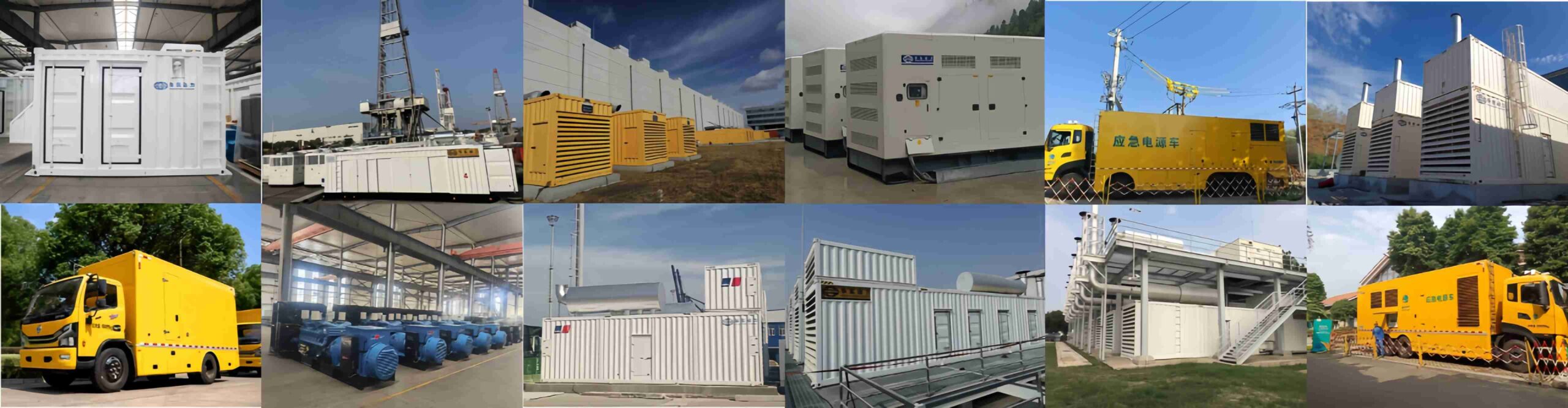
Key tech differences that change the score
Containerized gensets bring built-in weatherproofing, integrated switchgear, and simplified transport. Skid-mounted systems save space but need extra shelters and insulation work. Modular prime power setups scale fast but demand tighter controls and commissioning. Industry terms matter here: genset configurations, load bank connections, and prime vs standby ratings are the levers that shift lifecycle cost. Think beyond sticker price — maintenance access, cooling capacity, and sound attenuation move the needle when you tally real operational hours.
Operational tradeoffs — uptime, footprint, and crew time
Container units usually win on uptime — because everything’s already packaged, wiring’s clean, and the control panel sits where techs can reach it. Skids can be fiddly: extra field wiring, added weatherproofing, more time on crane lifts. Modular rigs offer fast parallel scaling for peak loads, but they ask for better control logic and commissioning discipline. Common failure mode? Improper paralleling setup — that’s not sexy but it stalls whole sites. – Fix it with a straight commissioning checklist and trained hands.
Real-world anchor: NYC power lessons and resilience
Look back at Hurricane Sandy in 2012 — whole swaths of New York lost grid power and emergency response leaned on portable and containerized power. Millions experienced outages; facilities that had containerized gensets reconnected faster. That’s a plain example: containerized systems aren’t just convenience — they’re resilience. If you’re sizing equipment for coastal or urban deployments, factor transport corridors, crane access, and local emissions rules into the spec sheet.
Common mistakes and how to dodge them
People under-spec the cooling package, skip a full load bank test, or assume all vendors deliver the same control logic. Avoid those by requiring shop-assembled testing and documented load bank runs before shipping. Don’t forget spare-part contracts and clear spare lists for wear items — alternator brushes, fuel filters, governor parts. When teams skip those steps, mean downtime spikes. – Train local crews on the exact paralleling scheme you’ll run; it pays off quick.
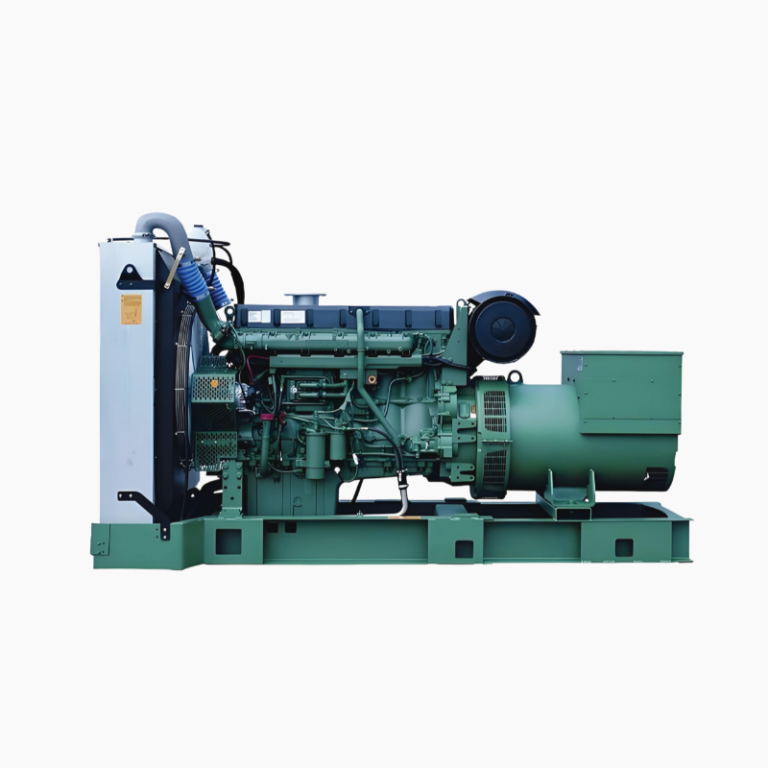
Alternatives and when they make sense
If your site needs long-term continuous duty, choose prime-rated container systems with heavy-duty cooling. Short-term rental events? Trailerized skid units are lighter to move. For clustered sites where scaling speed matters, modular prime power beats single large gensets. Also, compare OEM service footprints: a vendor with a local depot and certified techs wins in repair times. Mentioning factories — the volvo penta genset factory is a good example of an OEM producing containerized solutions that balance build quality and field serviceability.
Quick teardown notes — production realities
When you inspect an assembly run, check panel wiring, the enclosure’s corrosion protection, and the mountings for vibration isolation. Document {main_keyword} and {variation_keyword} in your teardown notes so procurement and operations speak the same language. Those simple labels keep everyone lined up on what spare parts and documentation you actually need.
Golden rules for selecting container gensets
1) Match duty cycle to rating: choose prime rating for continuous loads and standby for emergency only. 2) Prioritize tested, shop-assembled systems with documented load bank runs. 3) Confirm OEM service coverage and spare-part lead times. Those three metrics cut downtime and save cash over the install’s life — and they give you measurable expectations on MTTR and availability.
Huadong Power brings that factory-to-site logic together — they build to practical specs, back it with service, and make deployments less messy. — Final thought: pick the solution that fits how your crew works, not just what looks good on paper.